
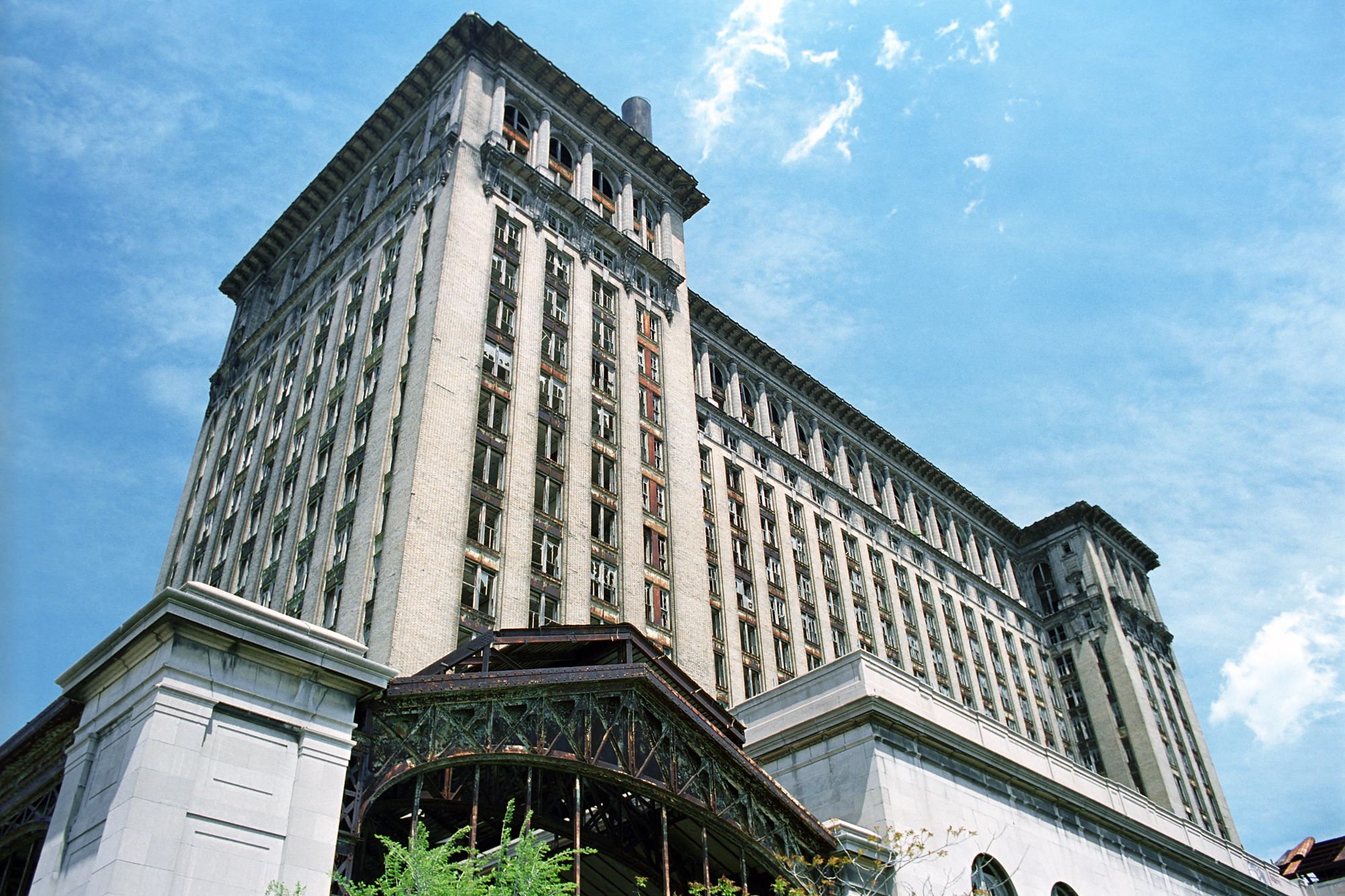
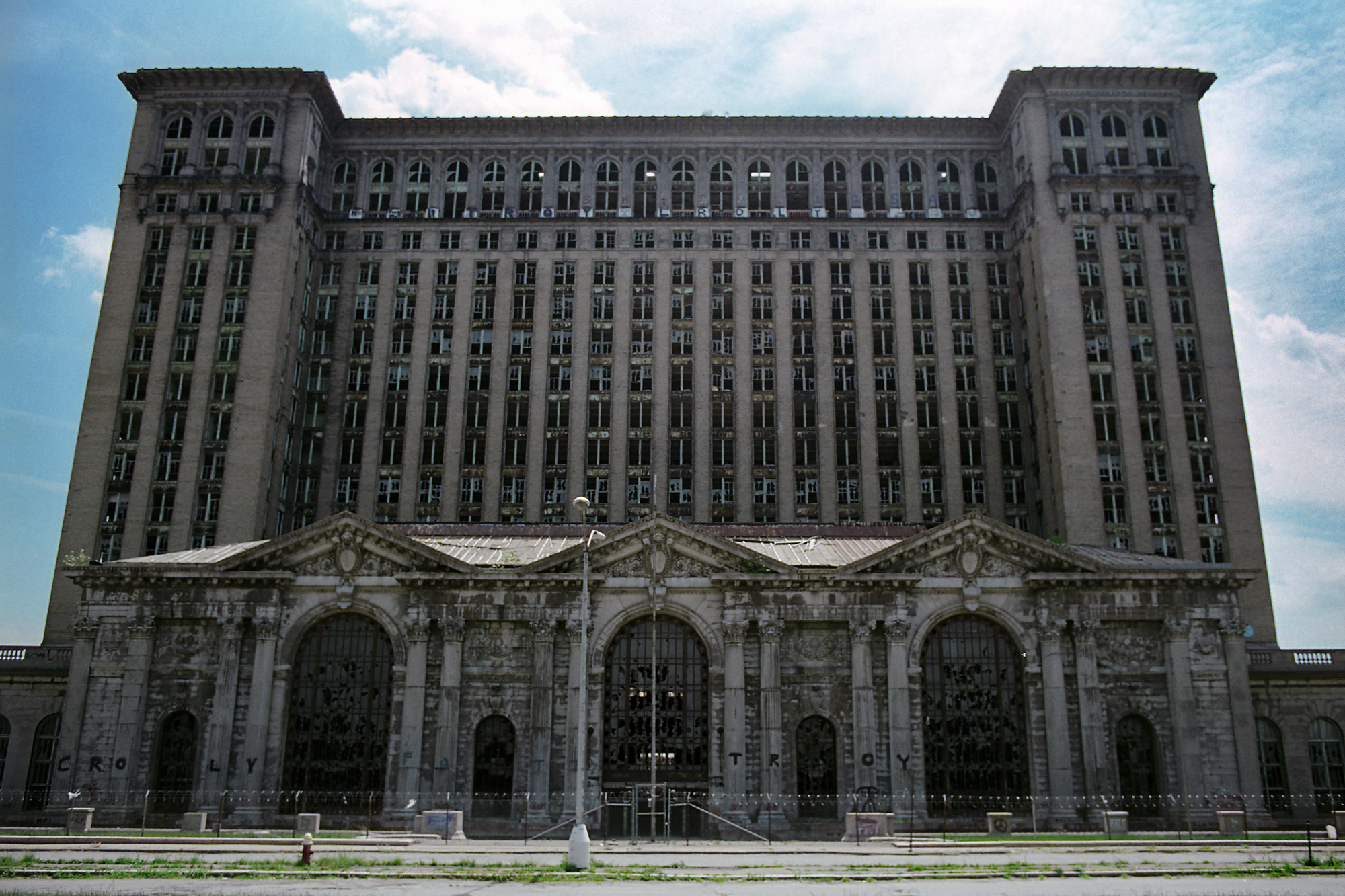
Michigan Central Station – May 2008
External Links
- Michigan Central Station
- Historical photos of Michigan Central Station - Historic Detroit
- Michigan Central Station History - Historic Detroit
- Historical photos of Michigan Central Station - Detroitpolonia
- Michigan Central Station - Detroit Historical Society
- Michigan Central Station - Nailhed
- Michigan Central Station - Visit Detroit
We began the day (and…began drinking) at the Wurlitzer building on the first day of our trip. Our next stop was Michigan Central Station.
Detroit’s reputation as a dangerous city and the extreme likelihood that we would be drinking heavily during our trip made me think that it might not be a good idea to bring my expensive digital camera setup. I had started my photography journey shooting film in the 90s, but this was the first time in several years I had really seriously shot film.
We entered Michigan Central Station (MCS) and I immediately began taking pictures. This had been a bucket list location for a long time. I was determined to capture as much as possible, so you can imagine my dismay when the legendary Detroit Bald Eagle swooped down and knocked over my tripod with one of my two A-1s on it. It definitely wasn’t my own drunken incompetence, it was the bald eagle.
The camera survived even though the roll of film I had in it was exposed to the light. Luckily, this mishap happened at the beginning of our visit to MCS and I had already changed out the roll I shot the Wurlitzer building on, so there was no major harm done.
My first trip to MCS is probably also the closest I have come to death or serious injury while exploring. The story is uninteresting…just a momentary lapse of concentration while helping someone else. I am grateful to the person whose quick reflexes saved me from a nasty fall. The people who were there remember the hilarity and sketchiness of the day.
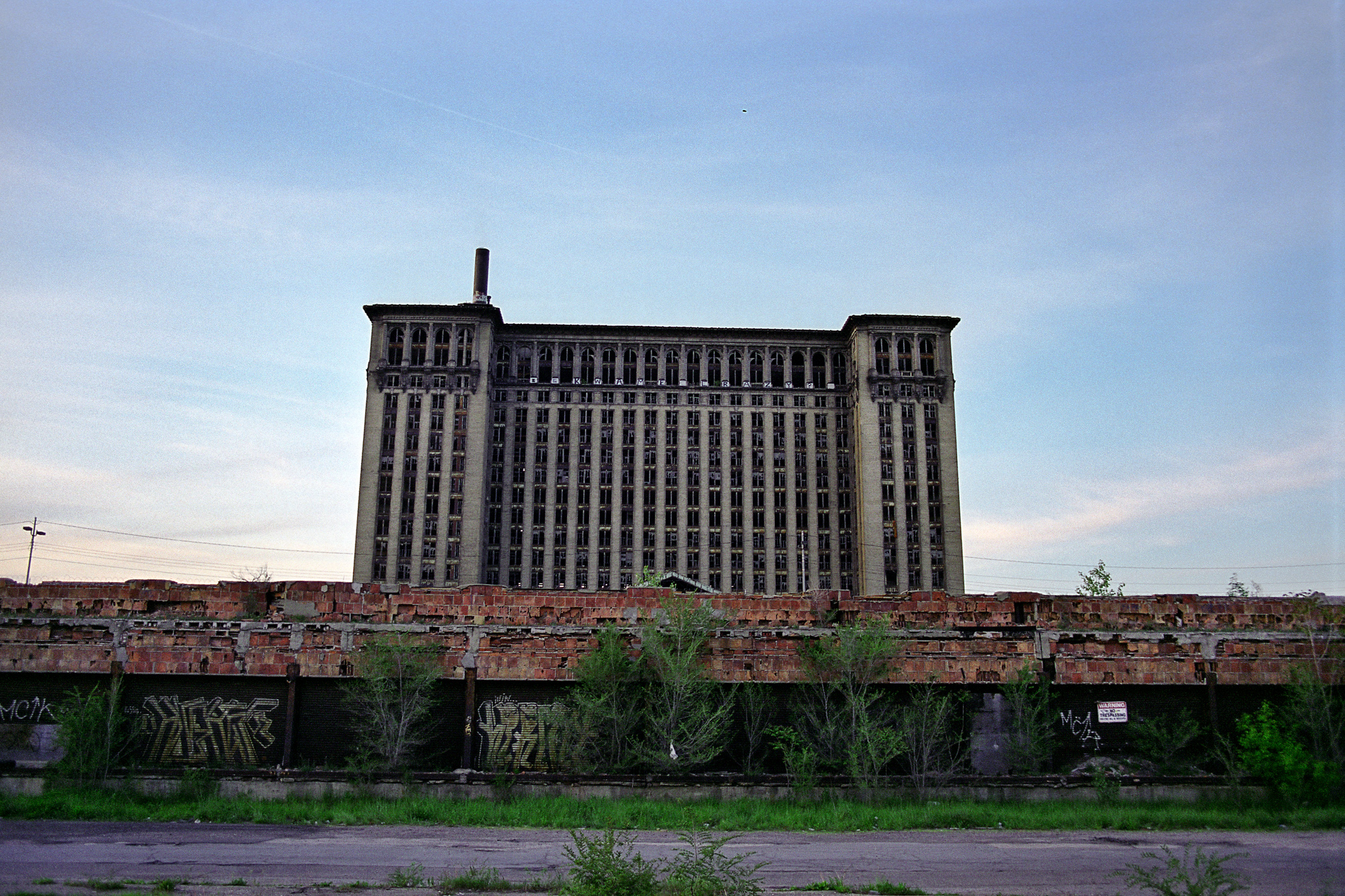
Michigan Central Station was built for the Michigan Central Railroad to serve as the main intercity passenger rail station for Detroit. It was formally dedicated on January 4, 1914 and remained open until Amtrak service was relocated on January 6, 1988. The station was busy during the heyday of rail travel, with 200 trains per day leaving the station during World War I. In the 40s around 4000 passengers transited the station each day and there were 3000 workers in the offices above the main concourse.
Unfortunately, MCS’ days of supporting high volumes of rail traffic were limited. The station was designed without significant available parking so, as car ownership became more common and interurban train service was halted, the station was isolated from many of the people who would otherwise use it. There were attempts to sell off the station at a fraction of it’s original building cost in 1956 and 1963.
New York Central, who owned the station at the time, continued to decrease rail traffic moving through the station and in 1967 most operations inside the terminal, such as the restaurant and shops, ceased. Only two ticket windows remained open to service passengers travelling on the few remaining lines. New York Central and the Pennsylvania railroad merged and the station was renamed Penn Central Station. However, the merged railroad company declared bankruptcy only two years later.
There was a revival of the station, and rail travel in general, in the 70s when the government formed Amtrack. Renovations and cleaning were carried out to rehabilitate the building, but the increase in train travel was short lived. The high cost to maintain the large building was a significant headwind to its revival and ongoing use. The final train left MCS on January 5, 1988.
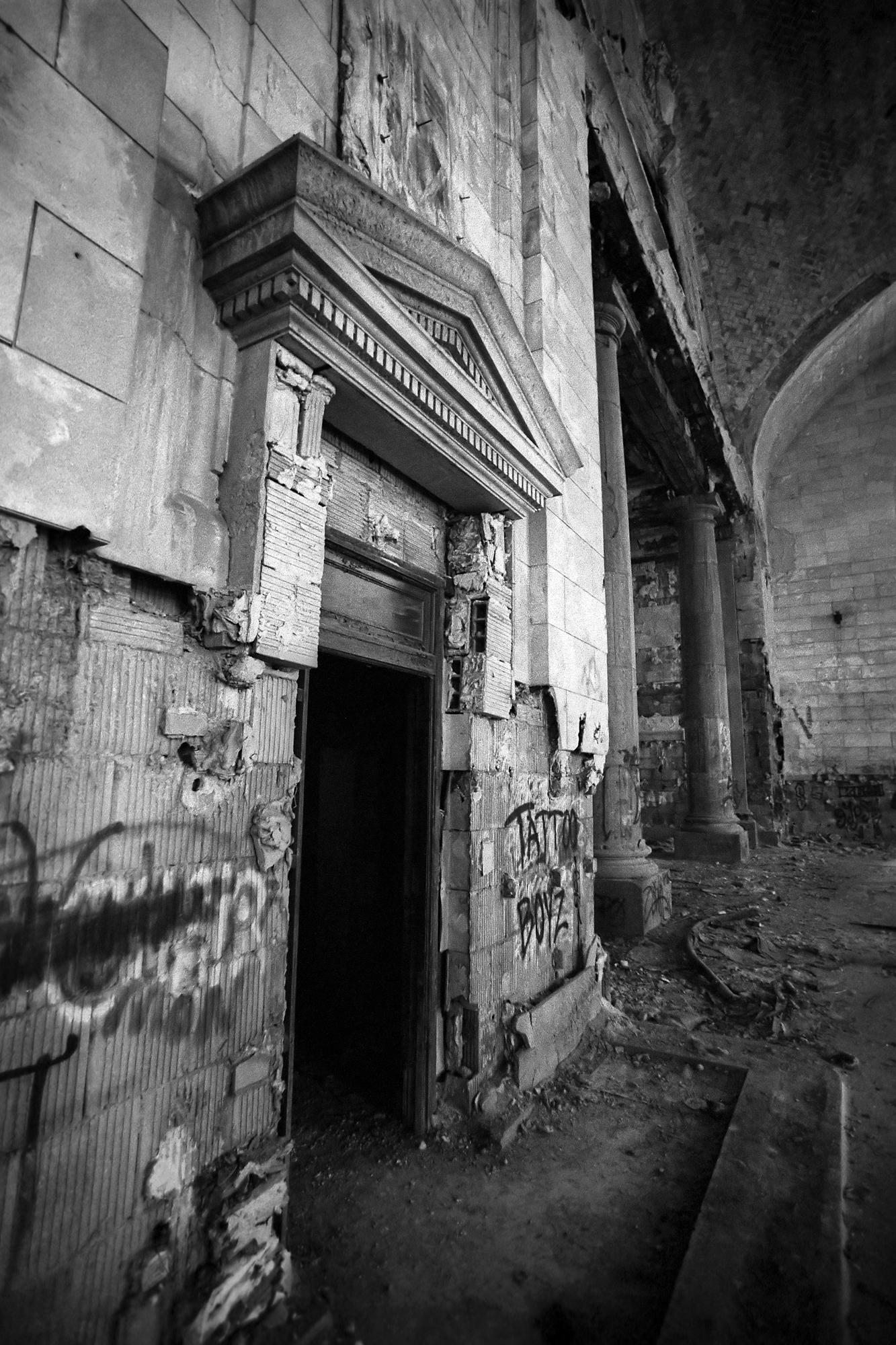
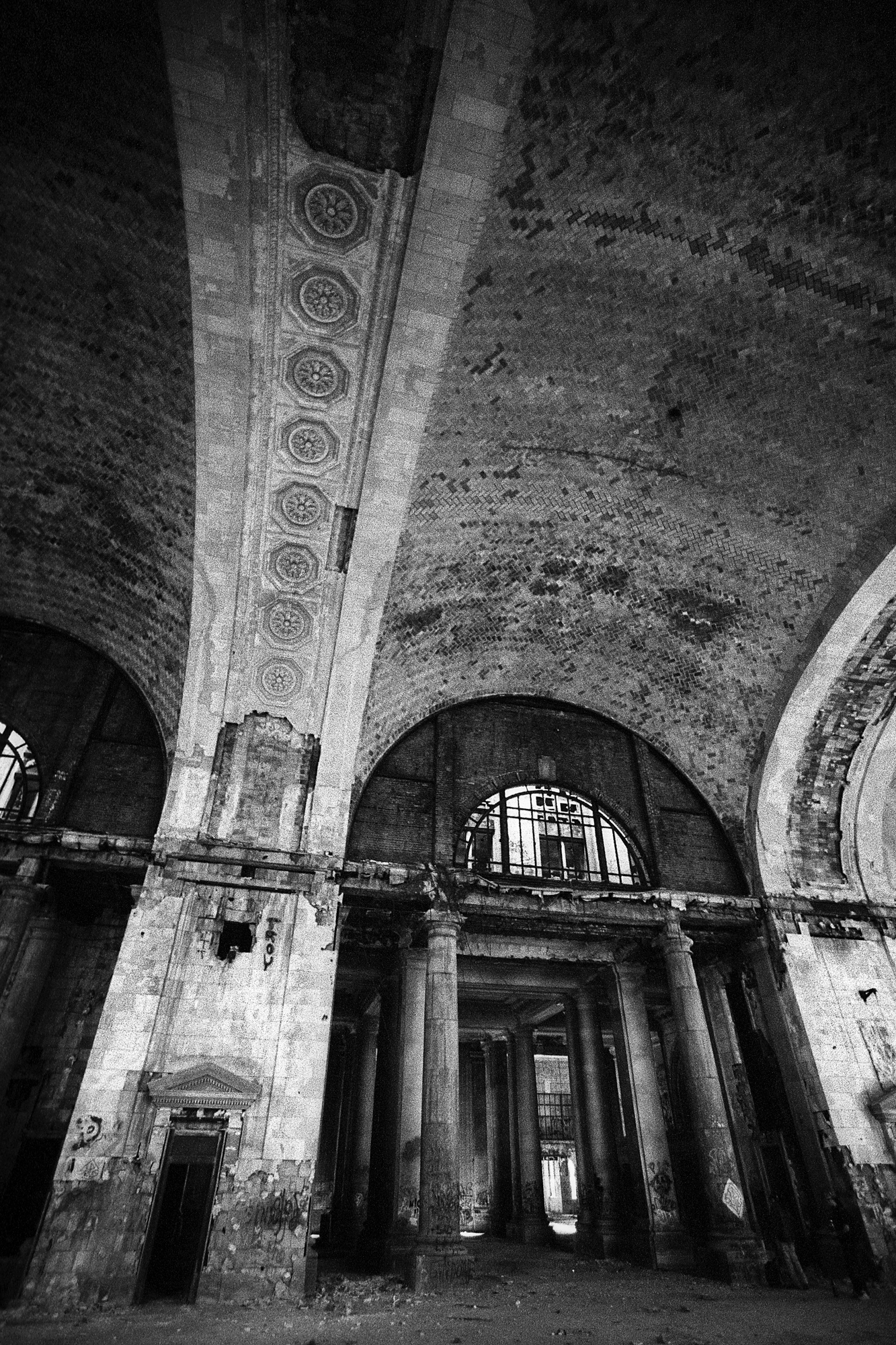
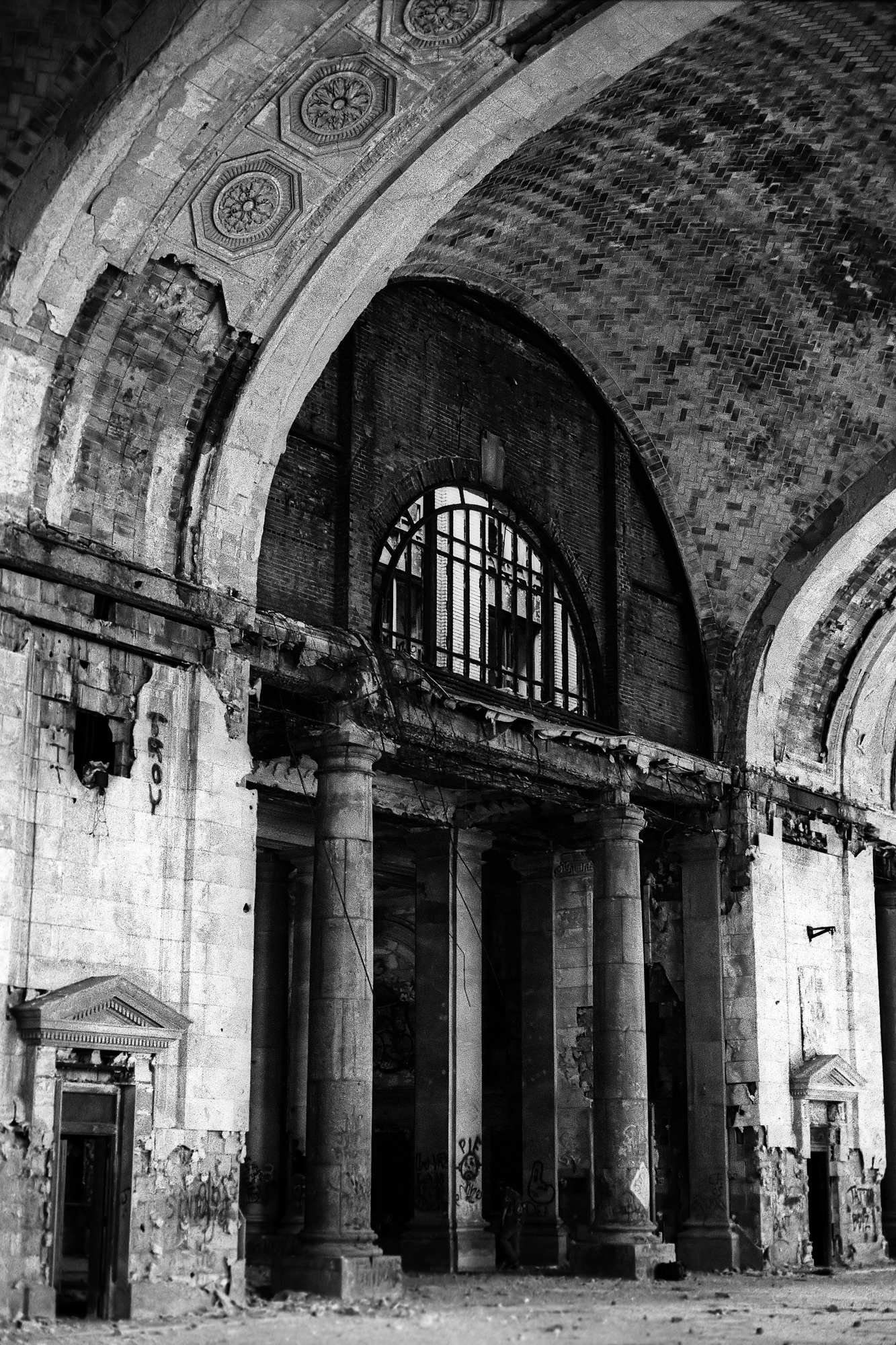
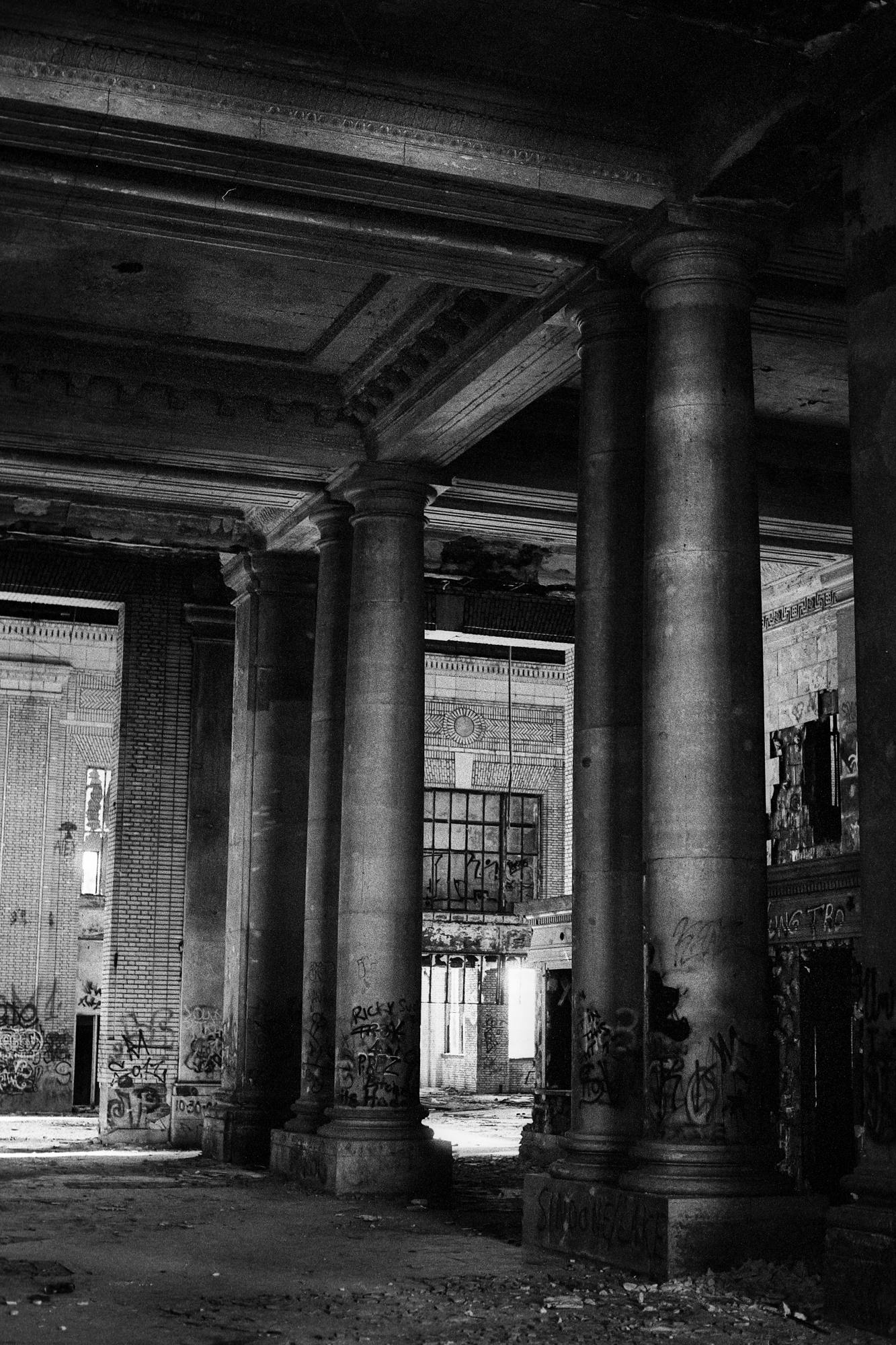
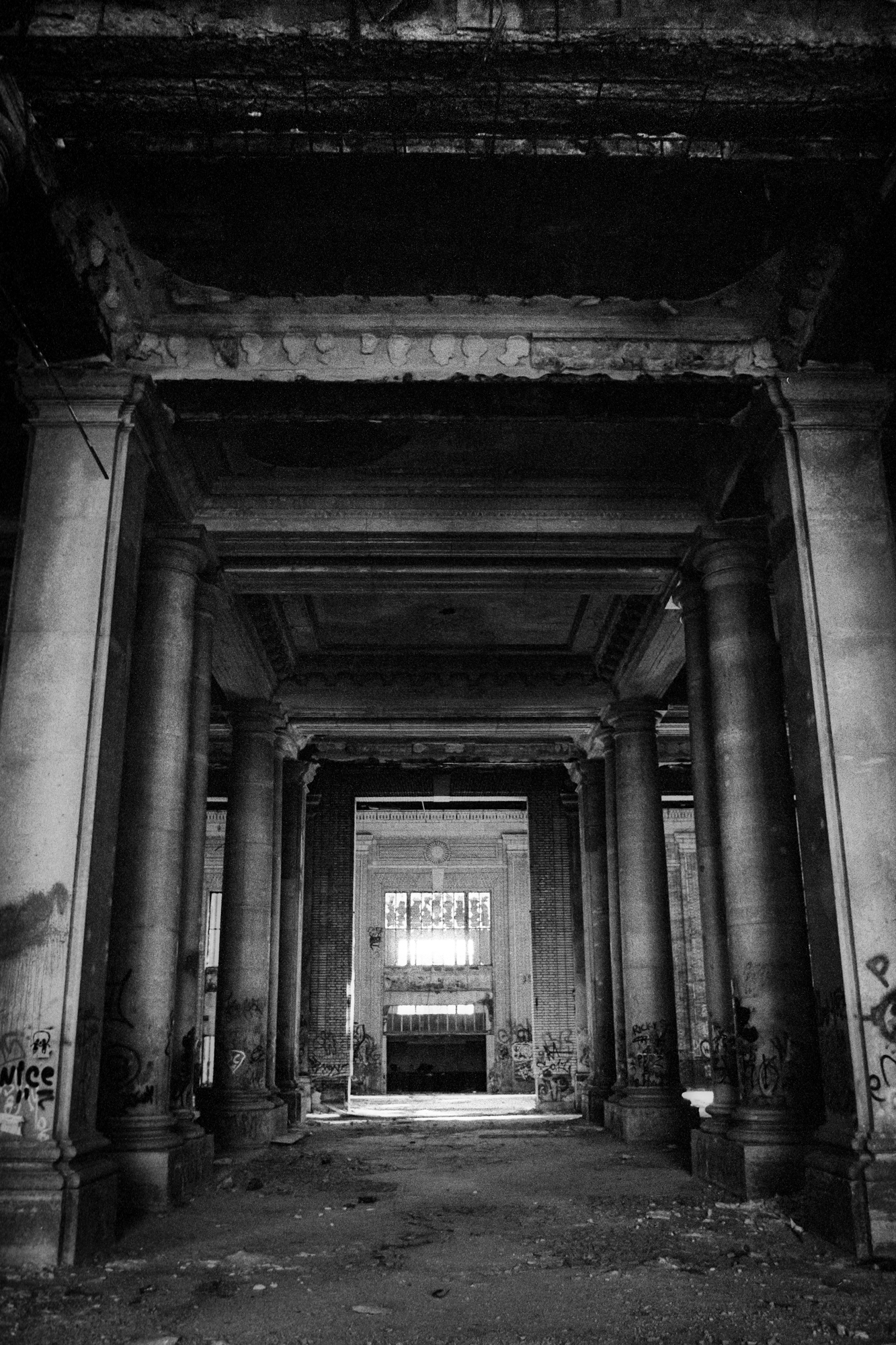
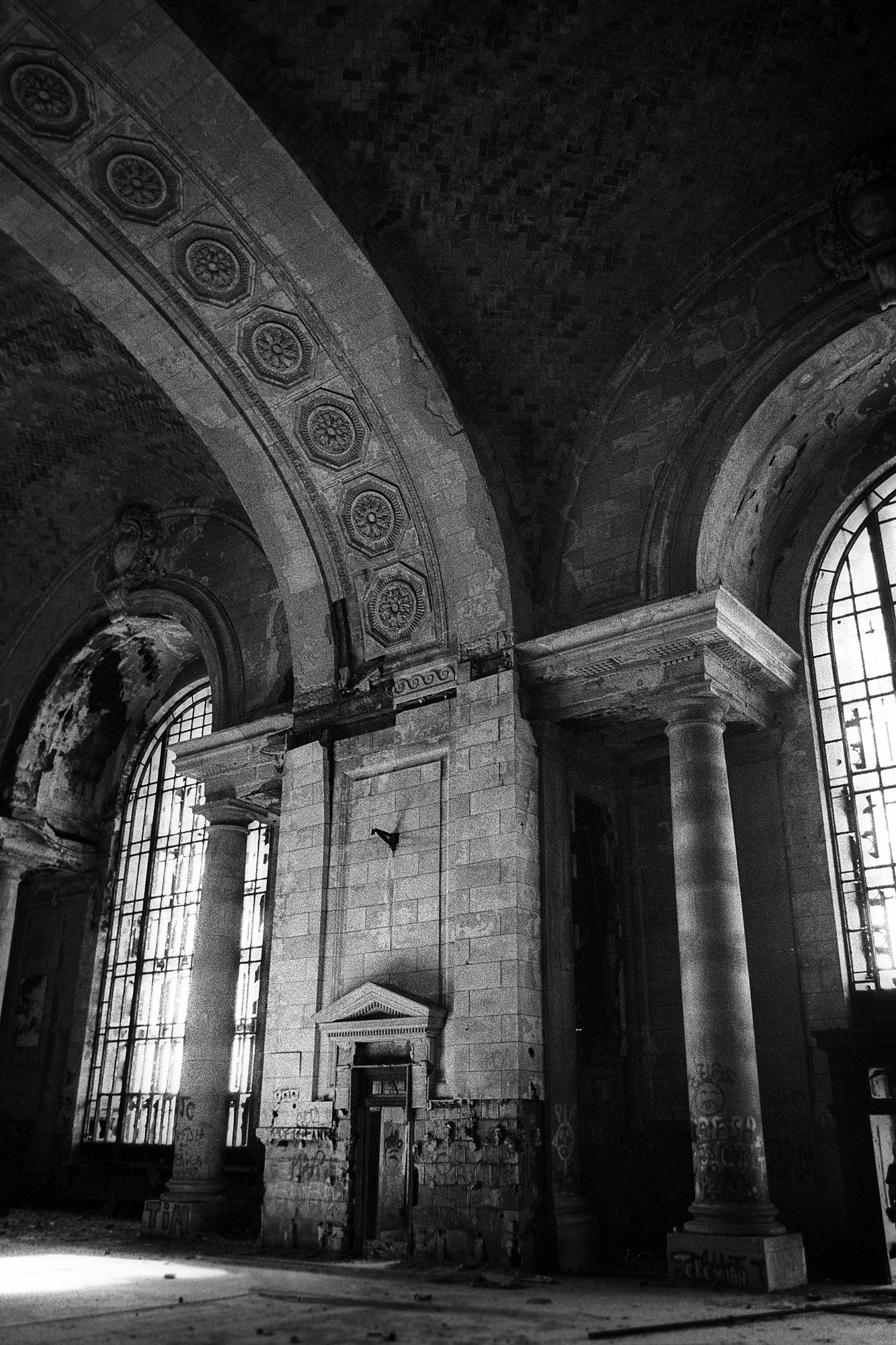
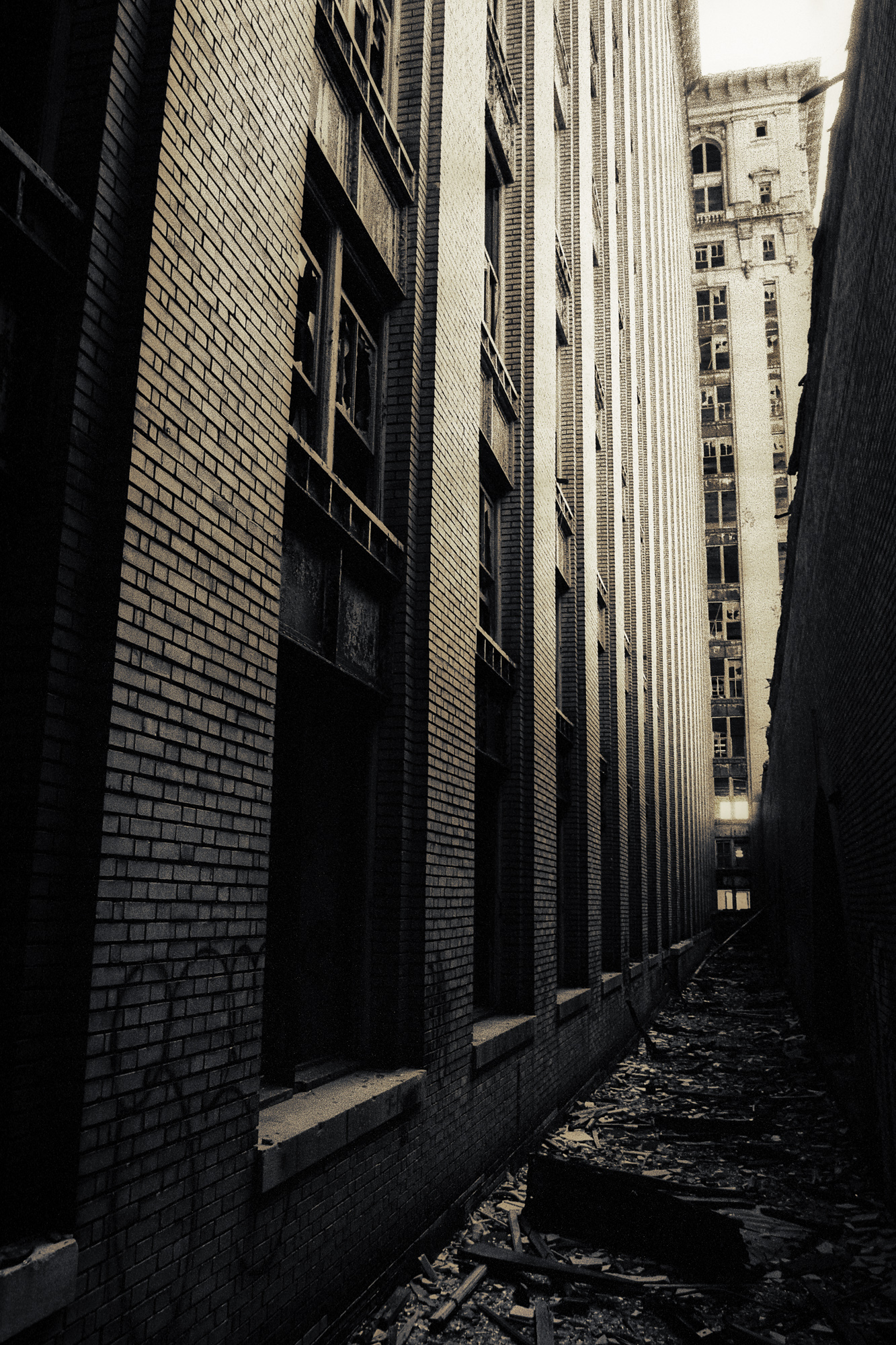
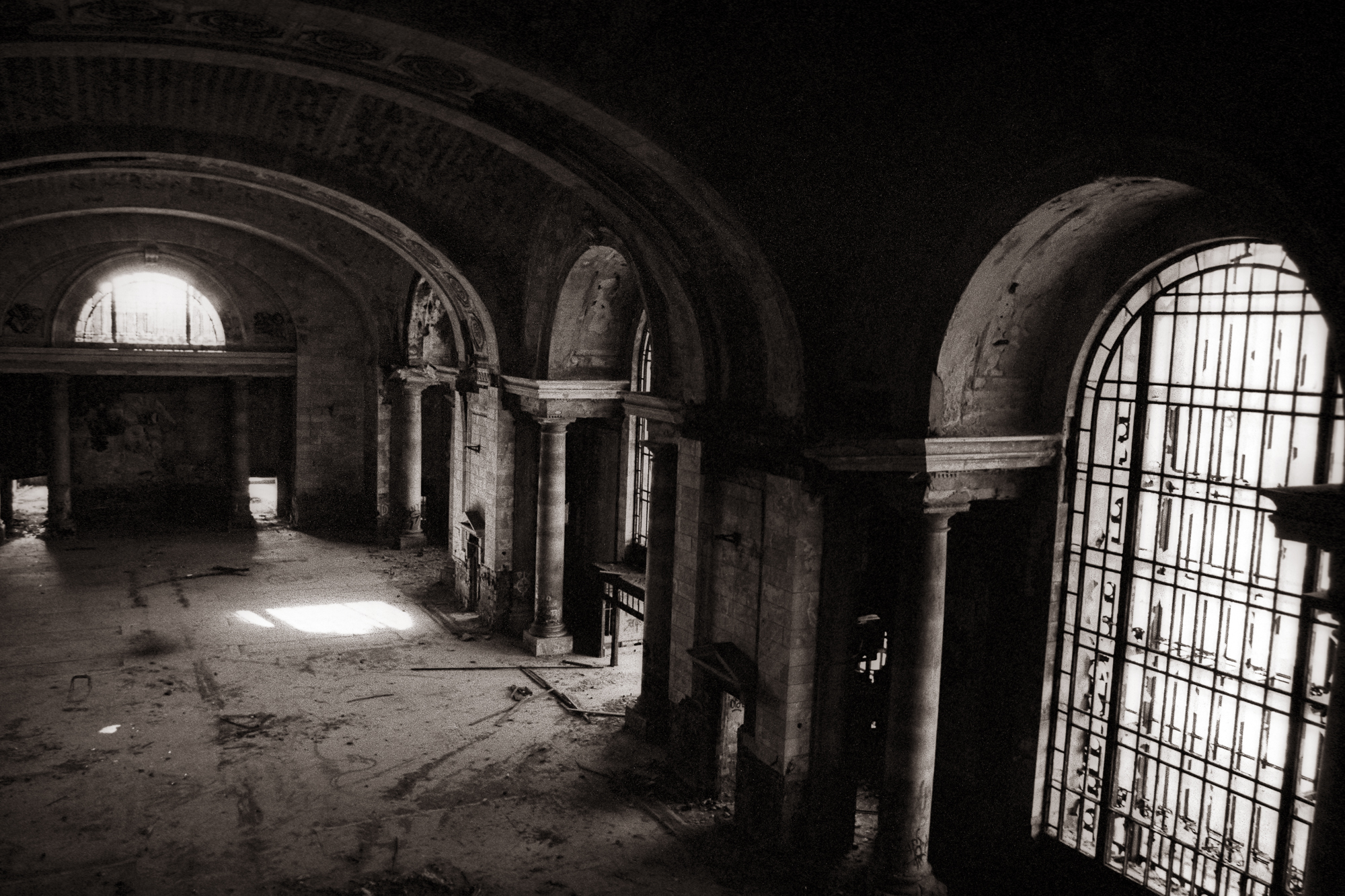
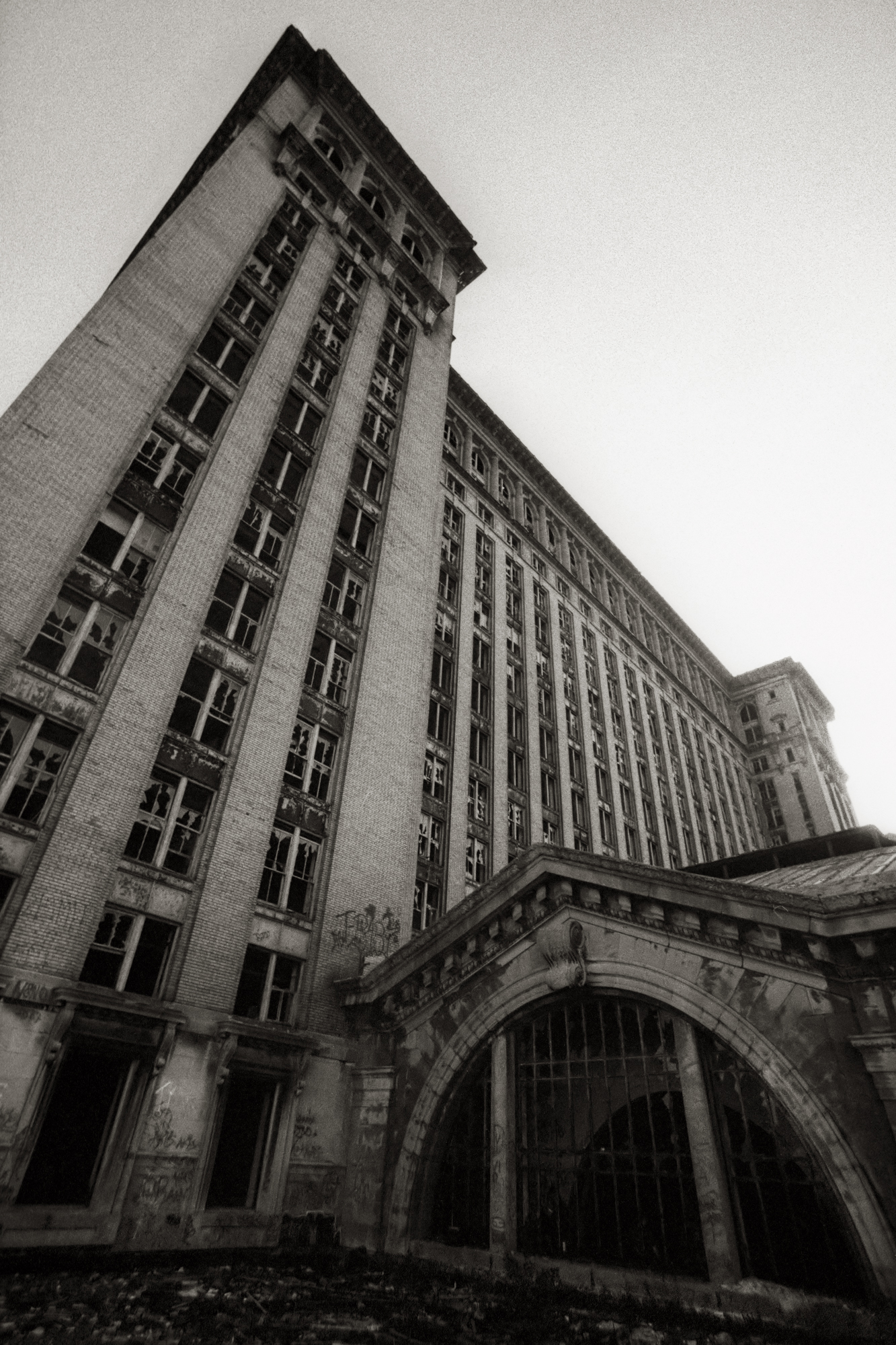
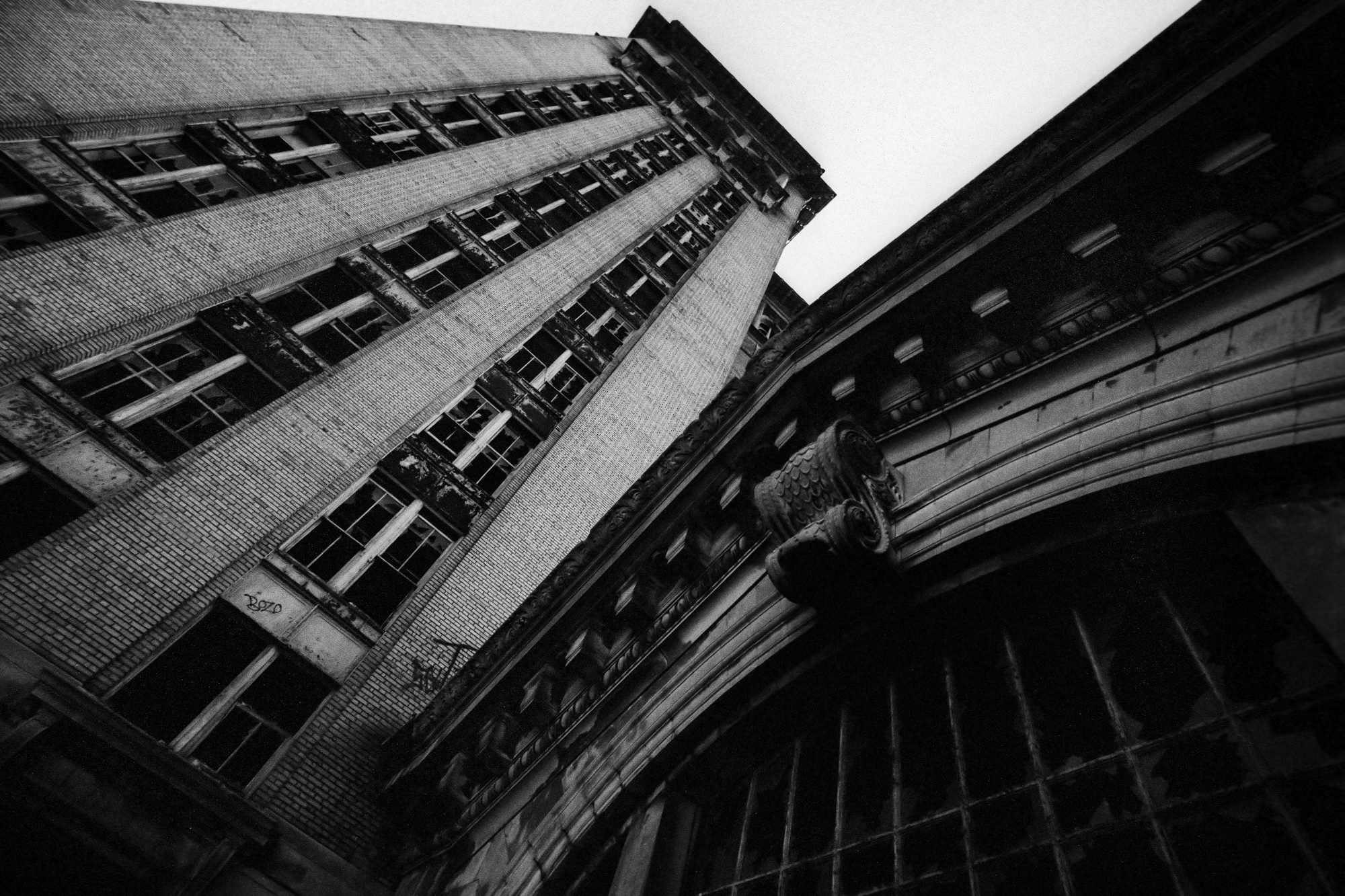
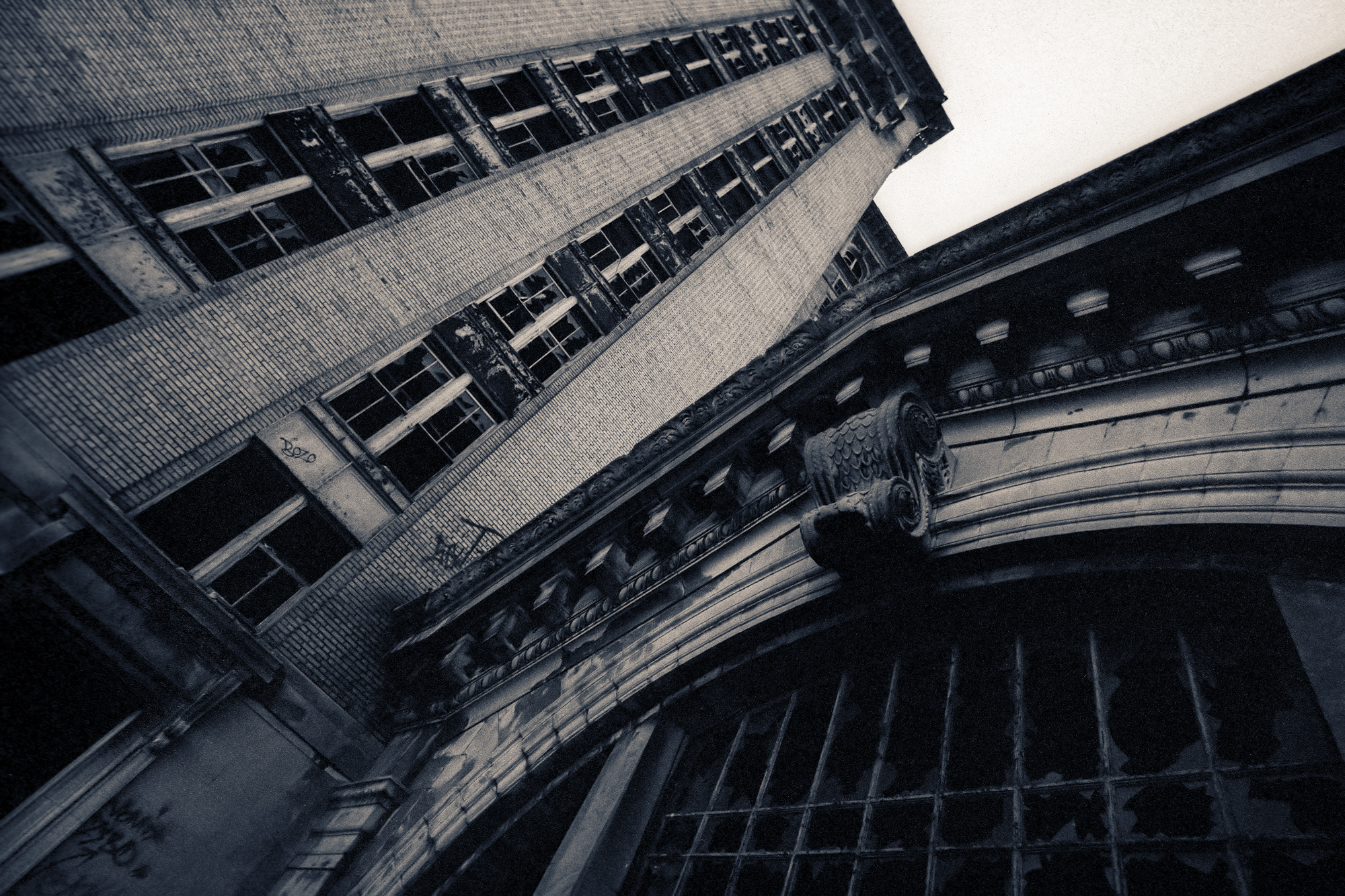
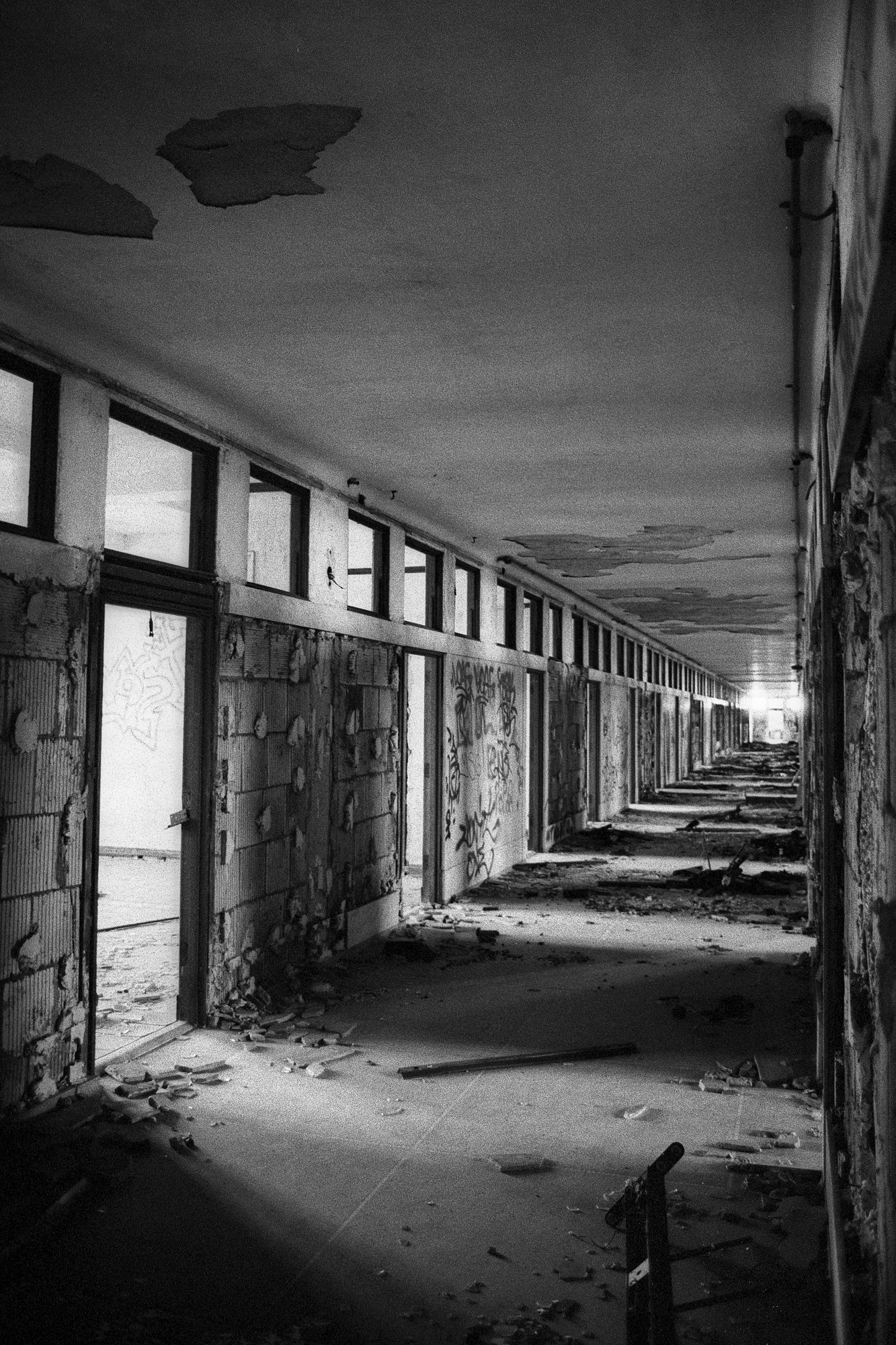
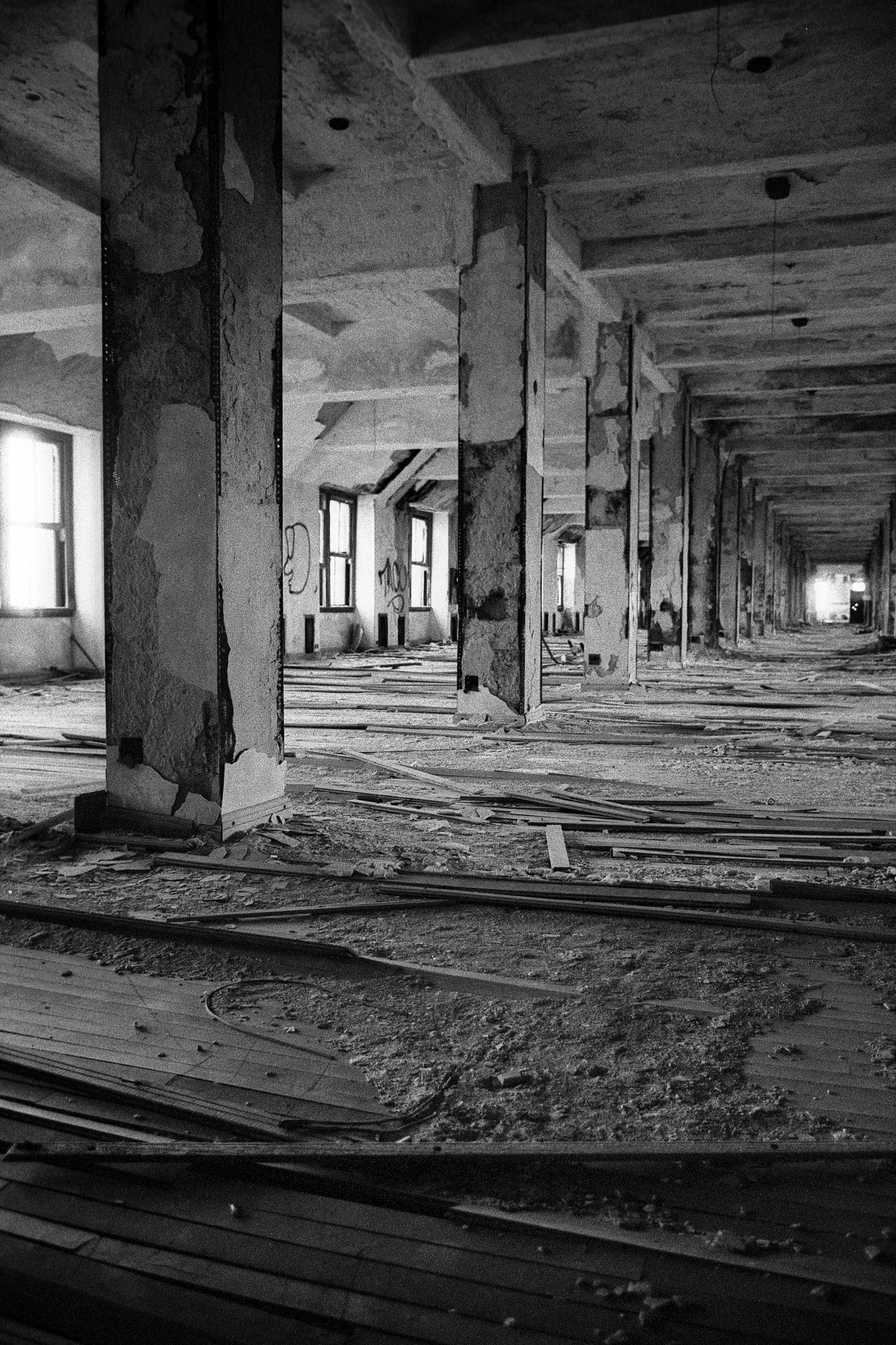
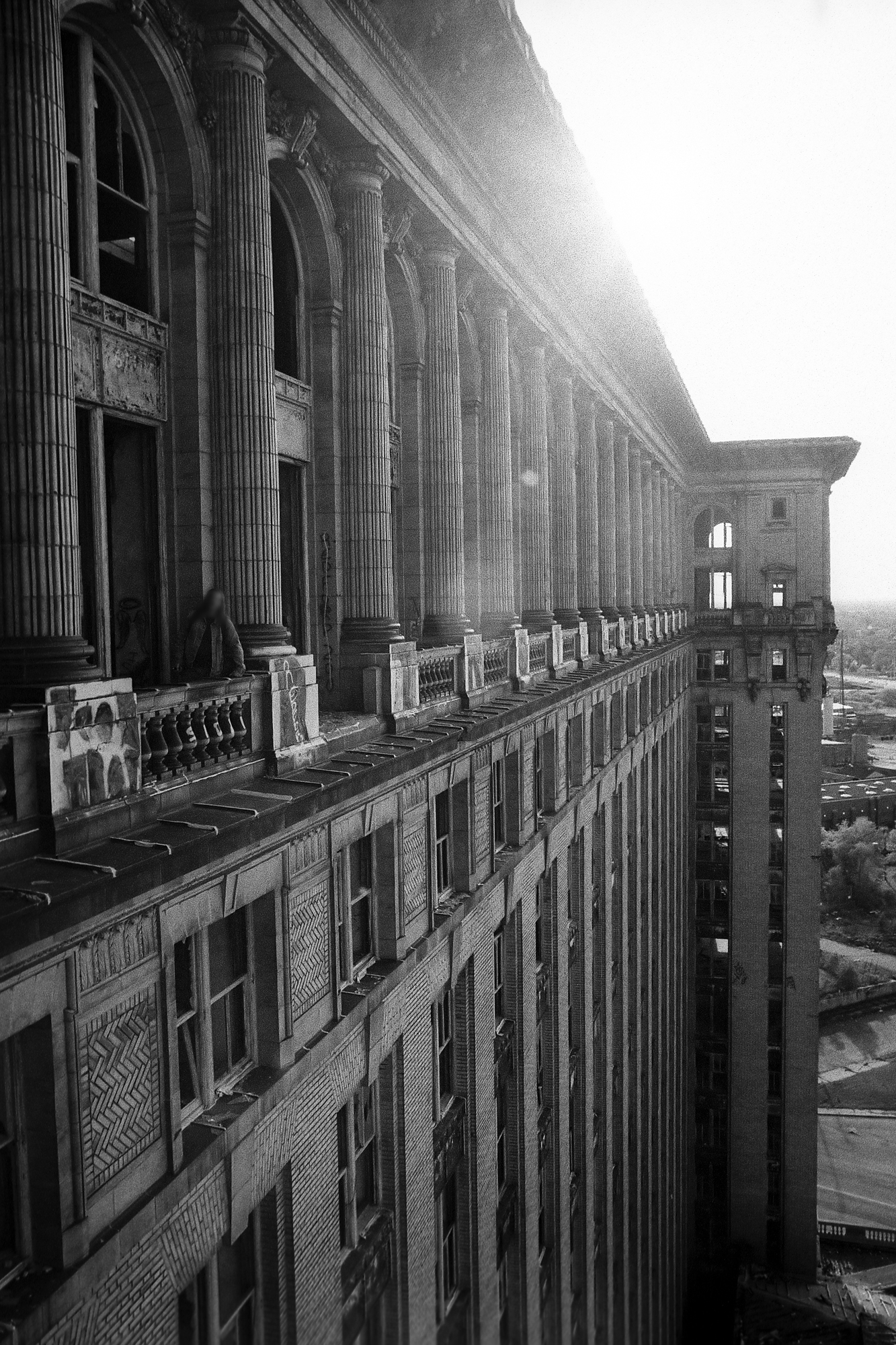
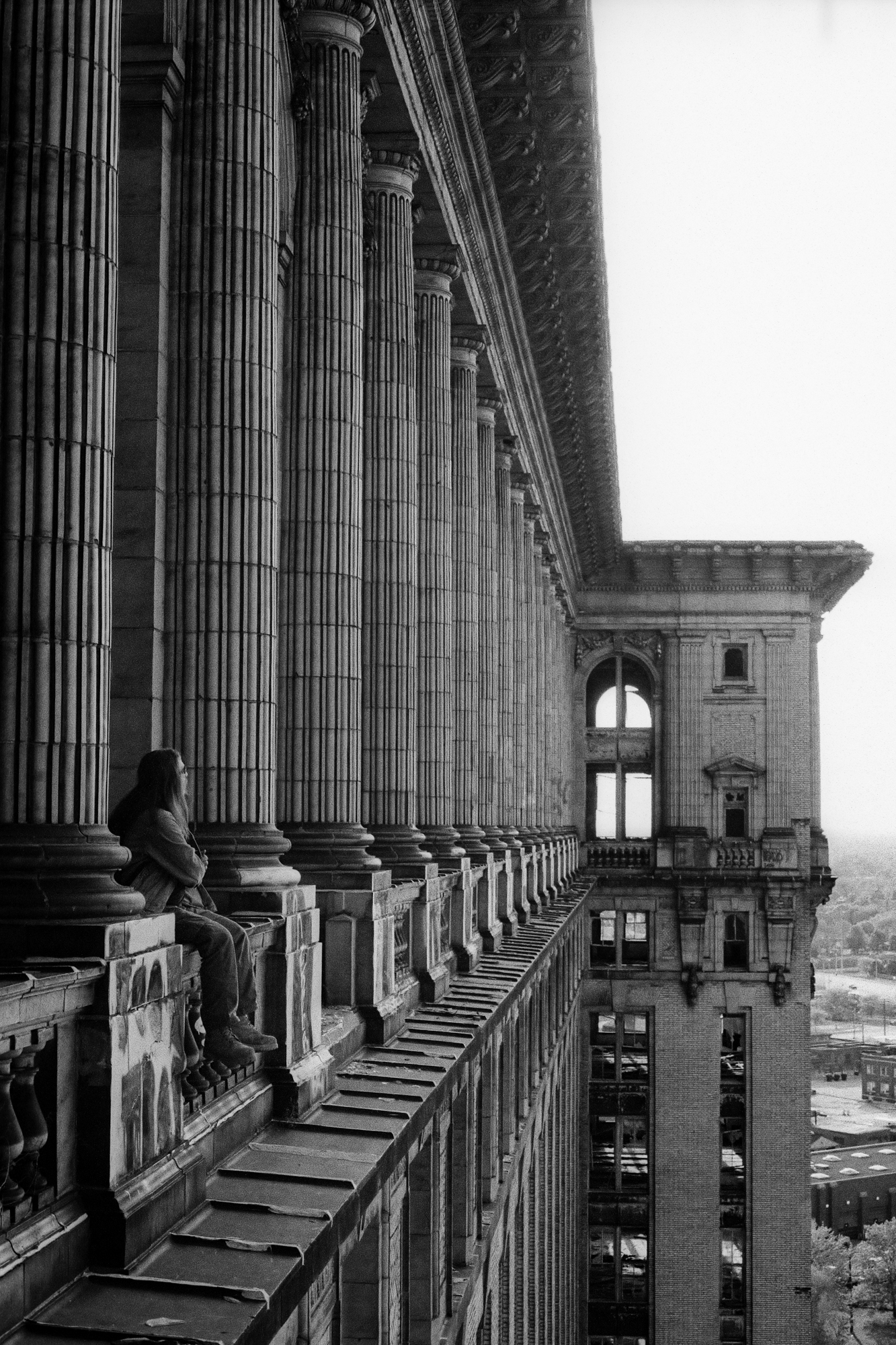
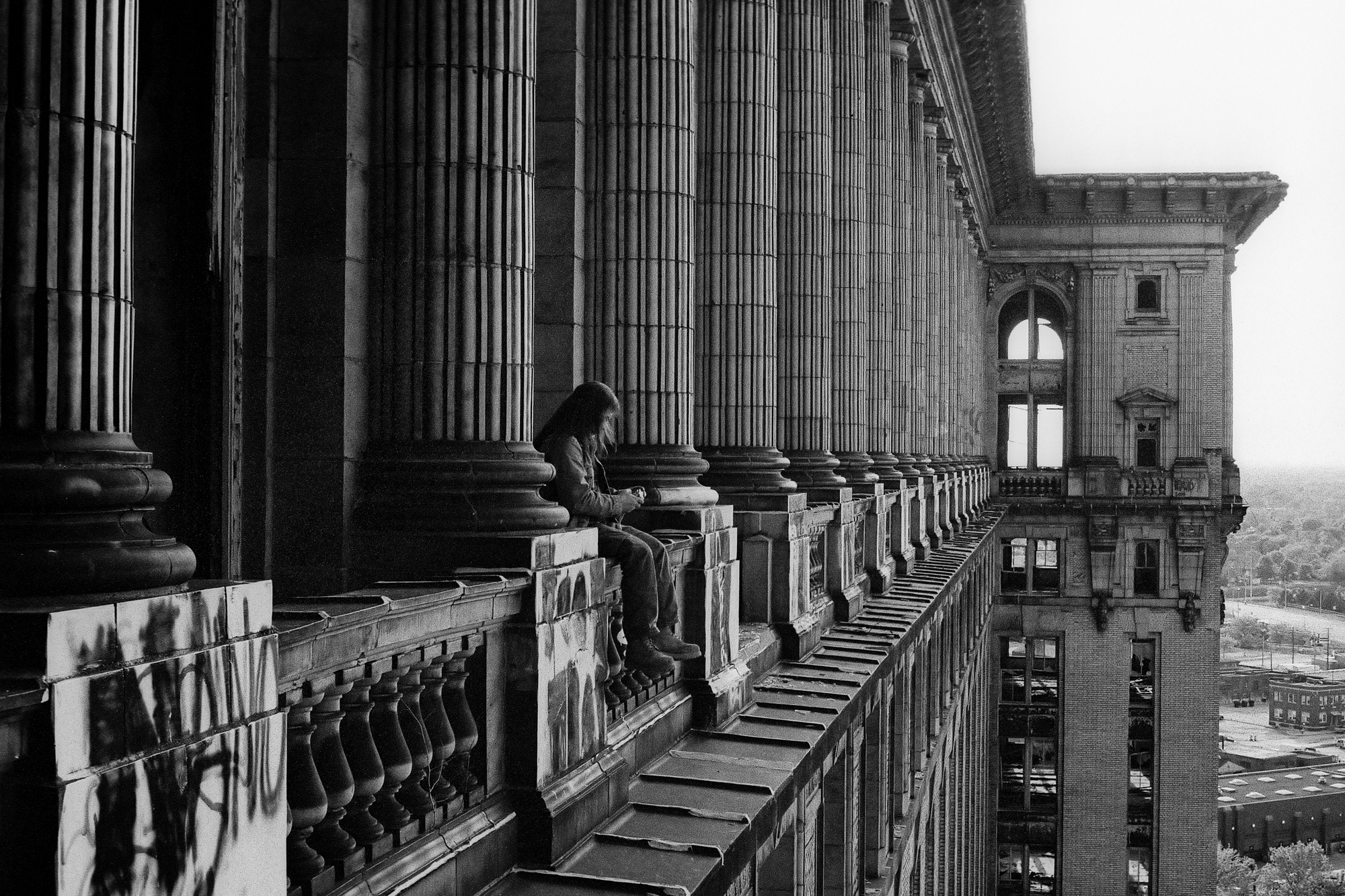
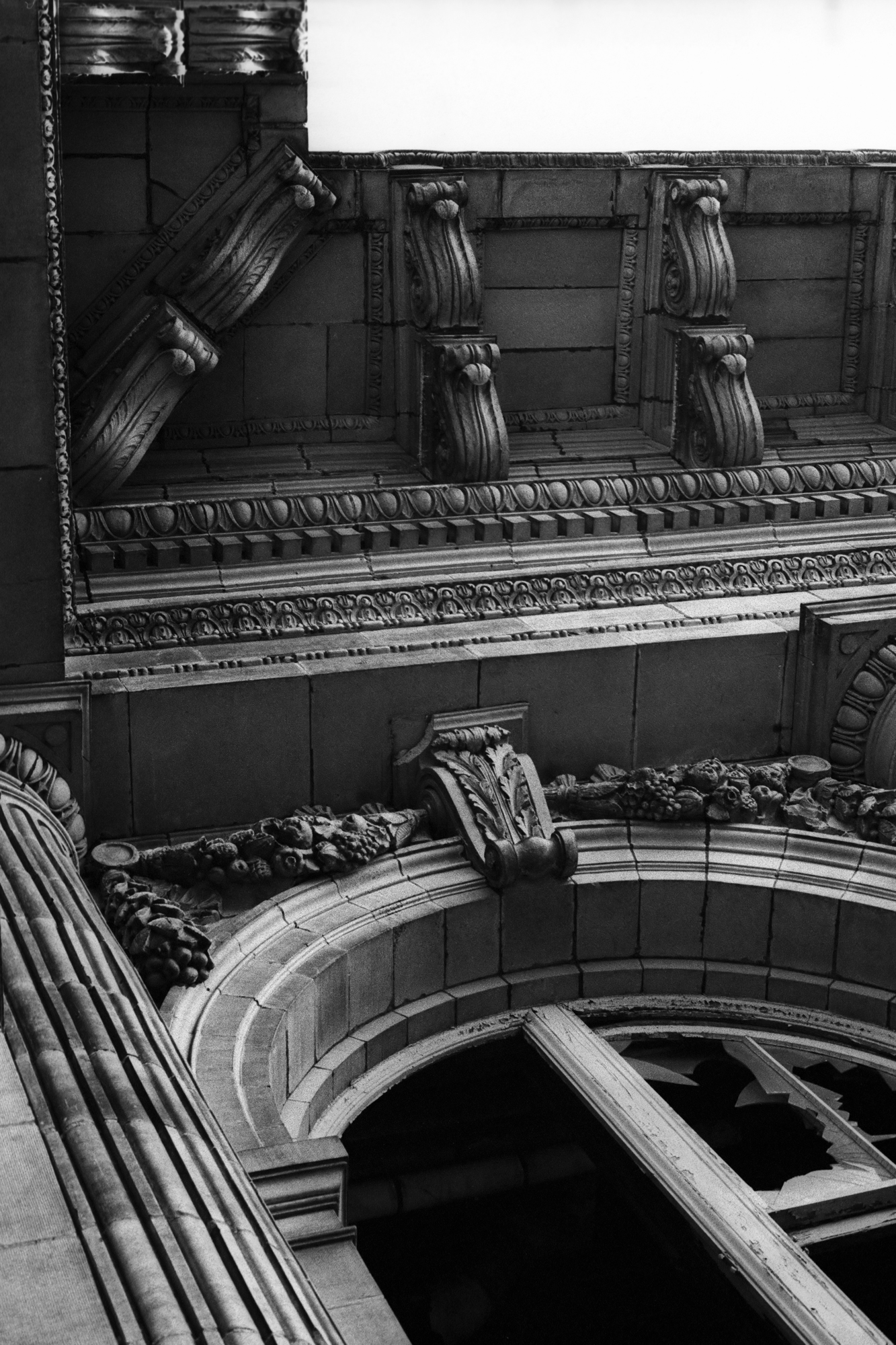
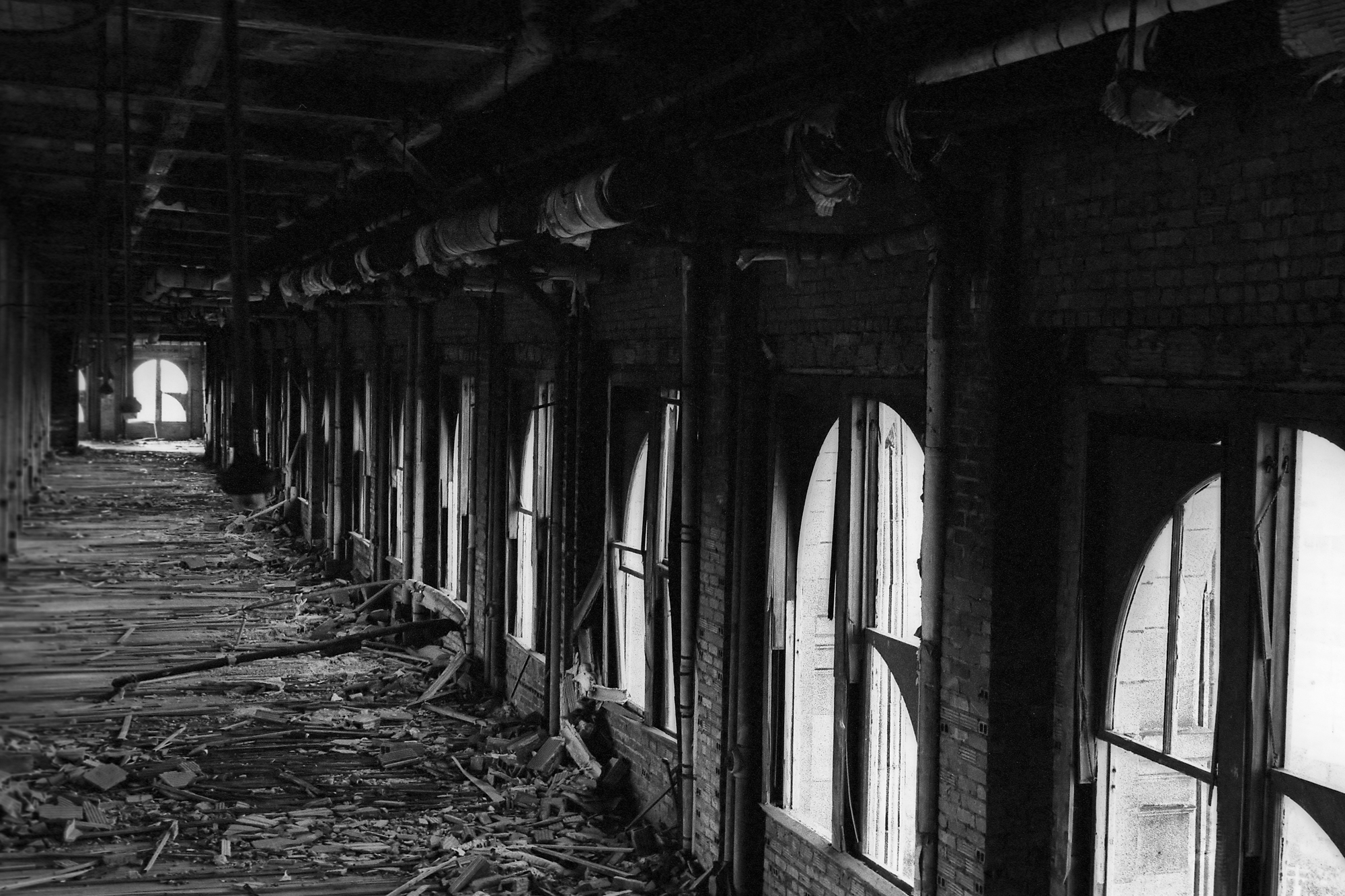
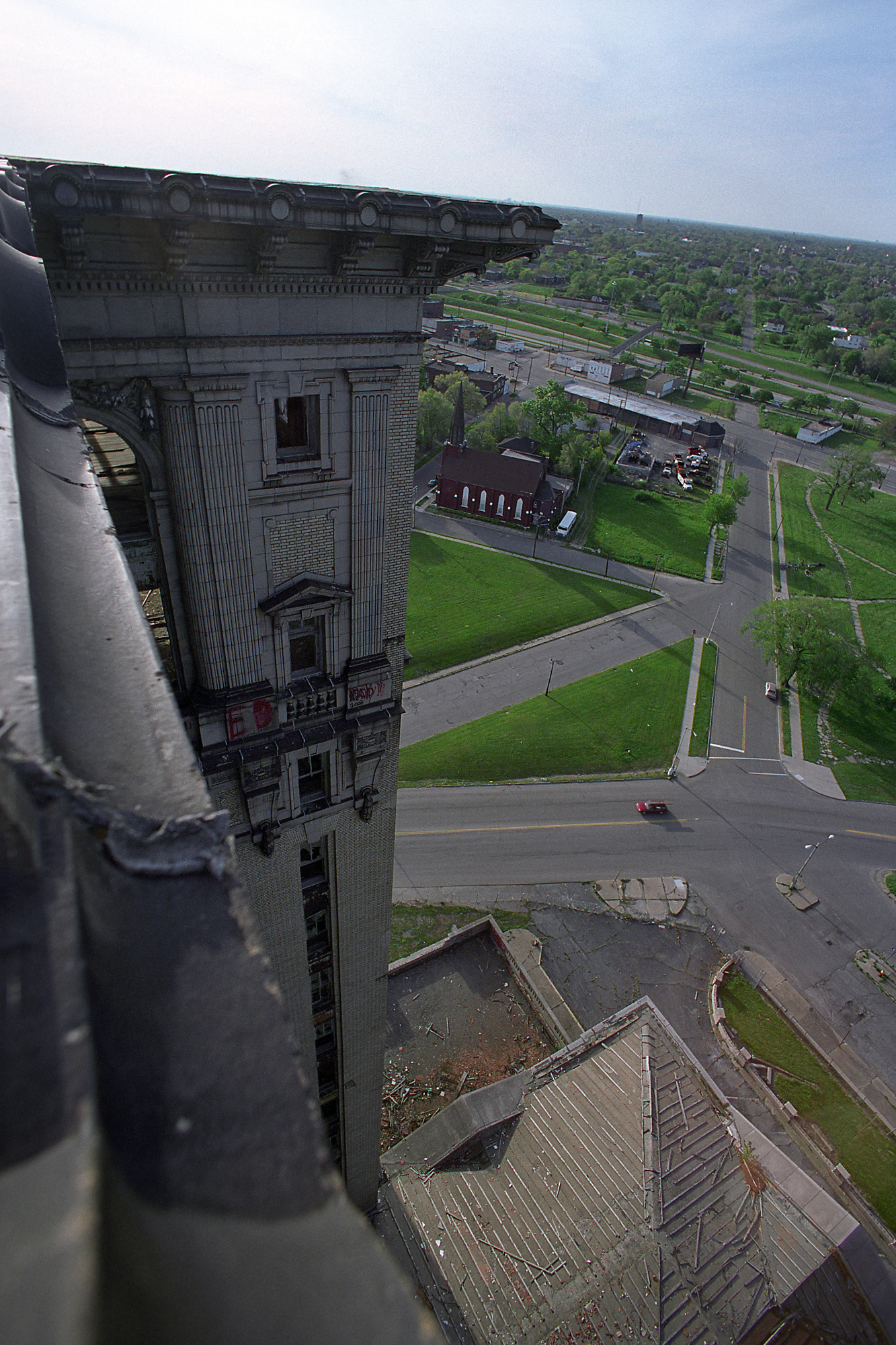
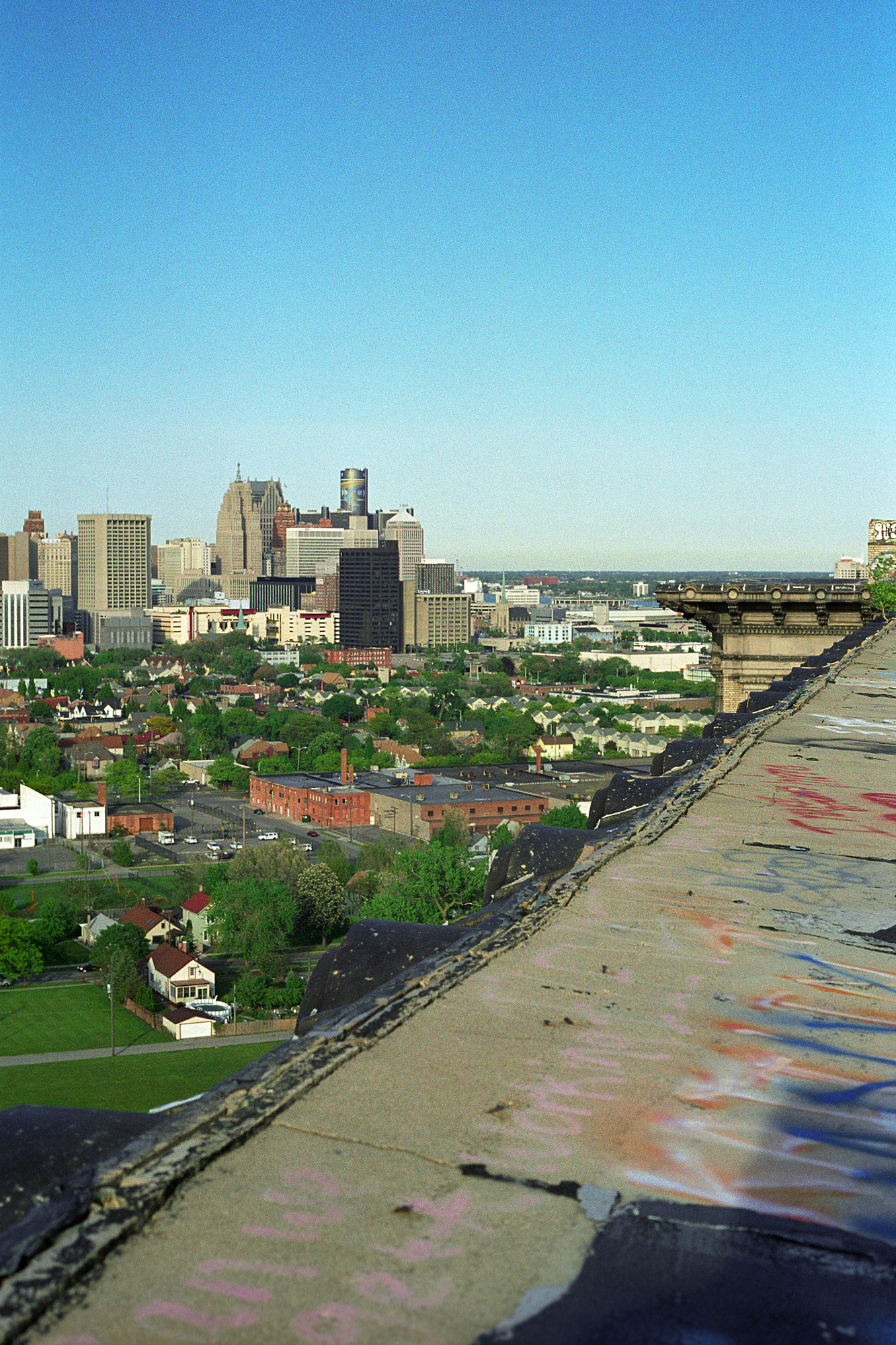
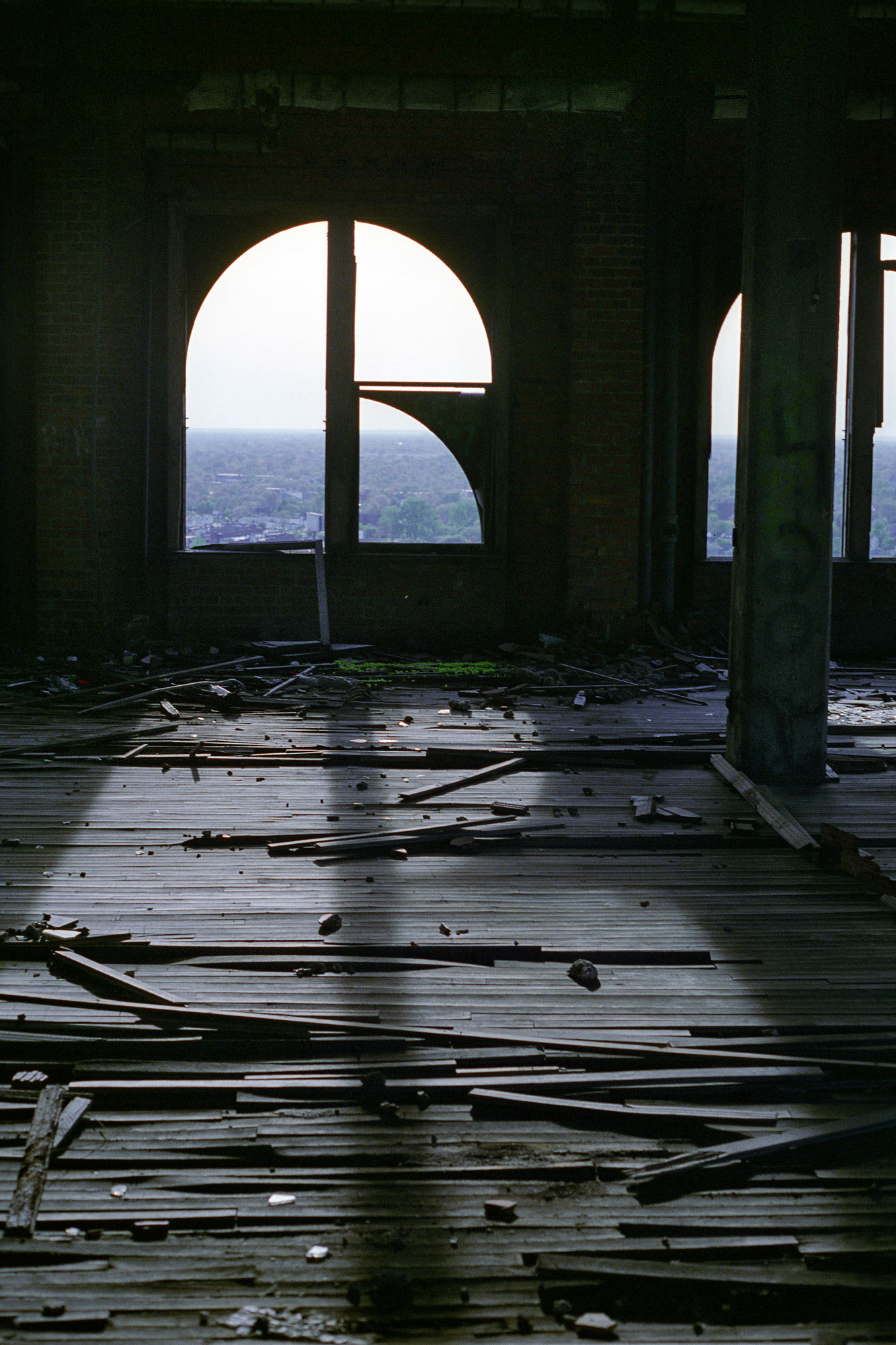
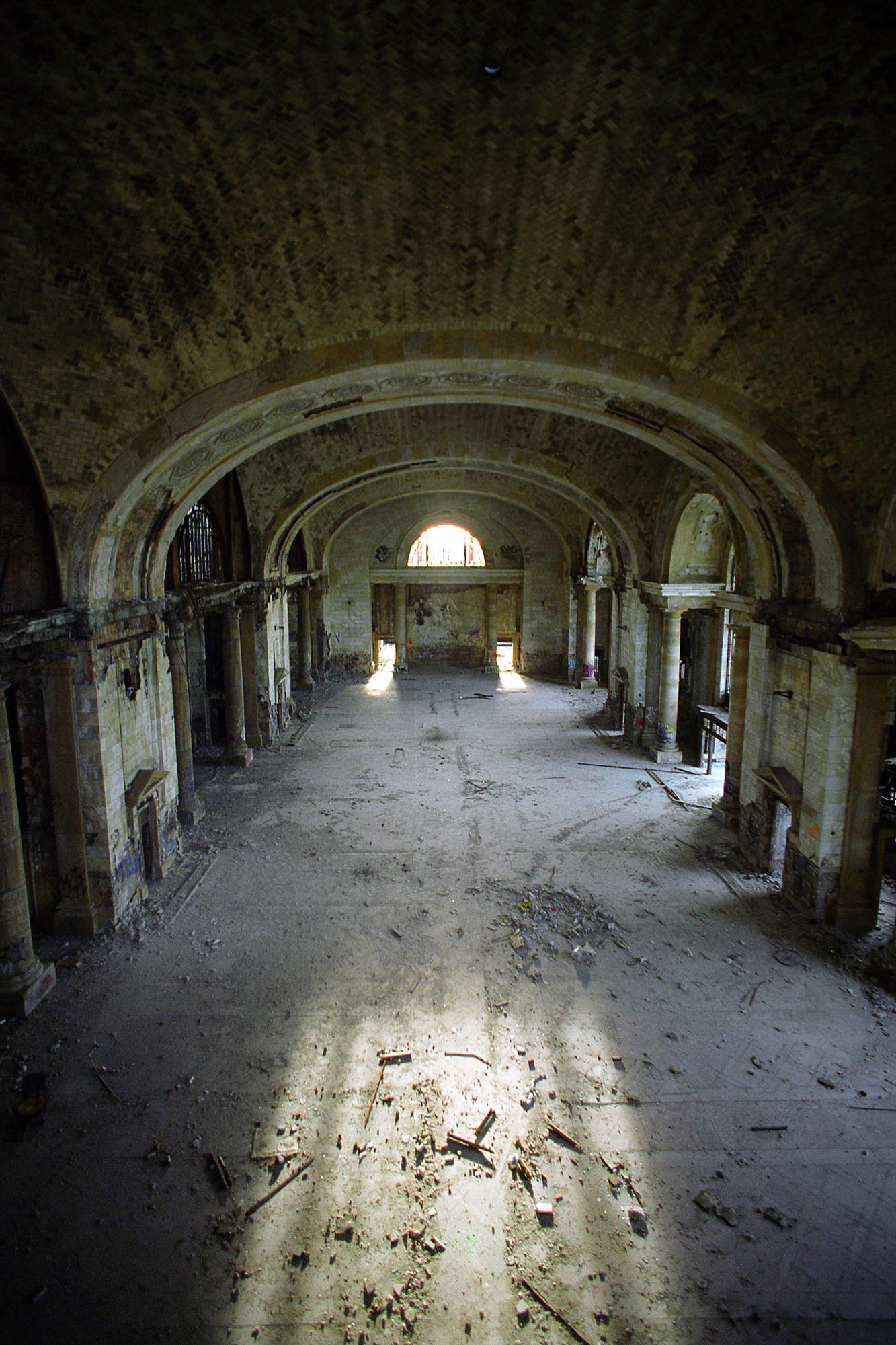
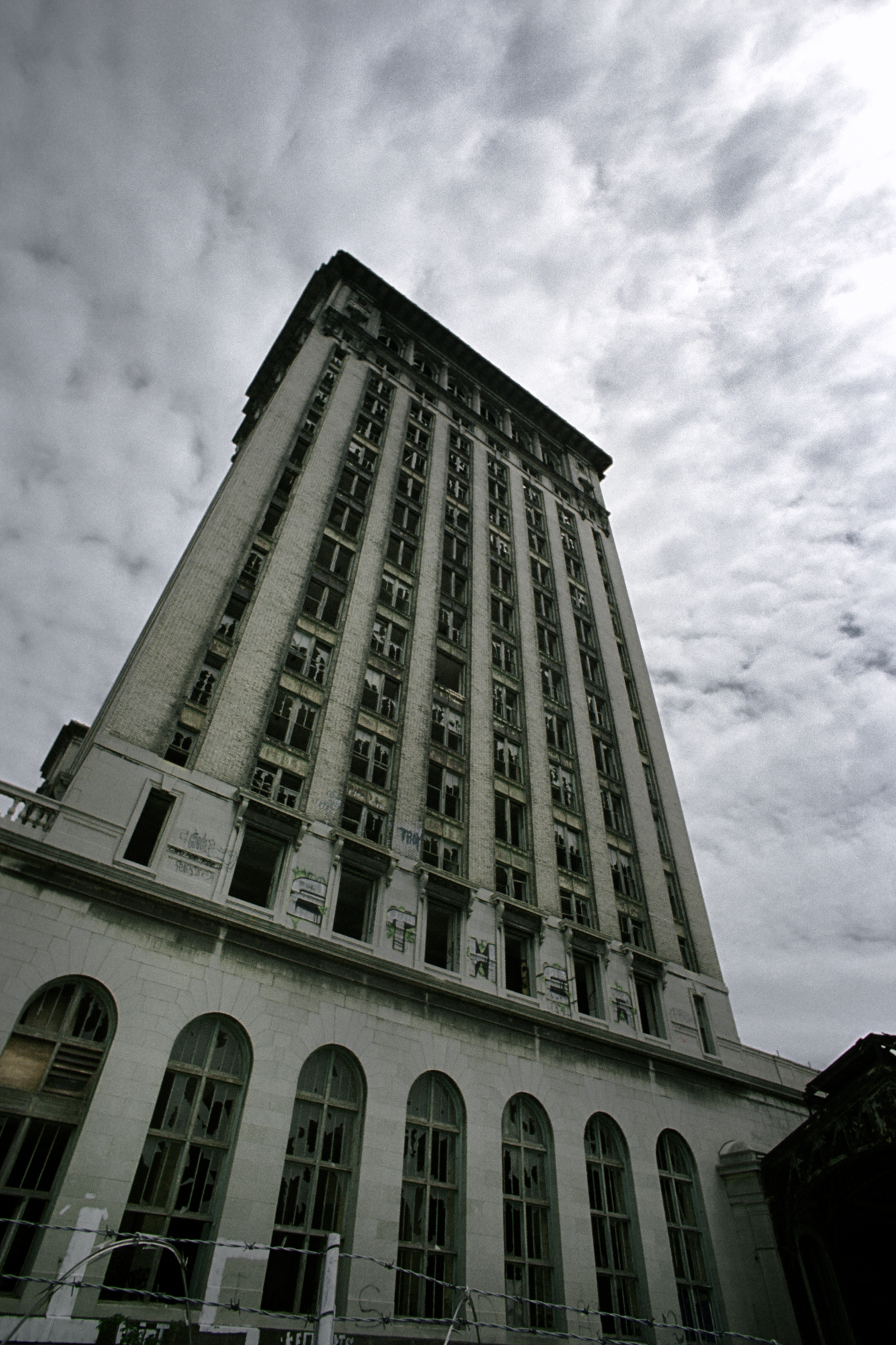
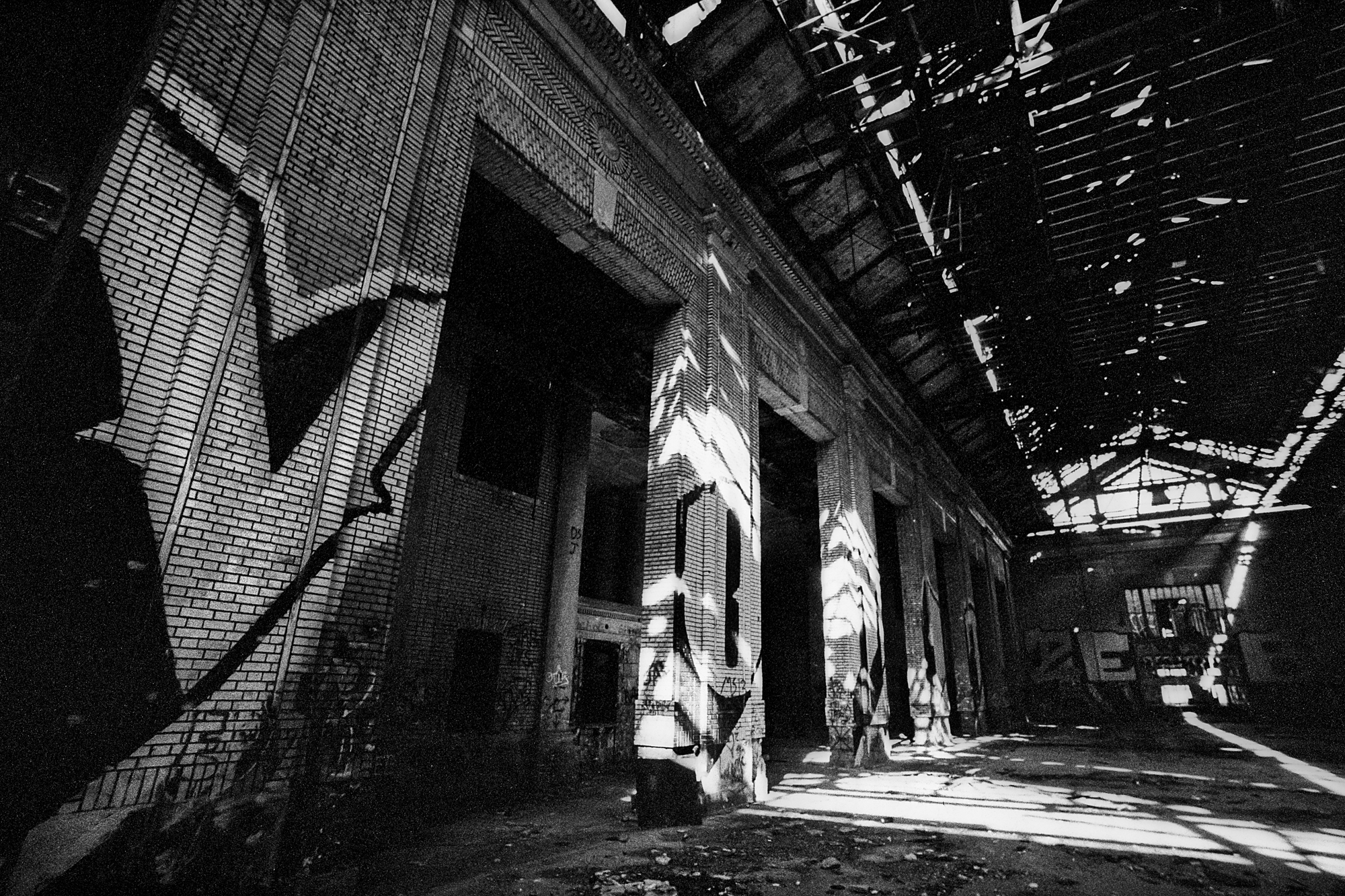
The station sat derelict for decades. When I arrived in 2008, it was thoroughly abandoned with smashed stone work, few in-tact windows, and much exposure to the elements. Of all the amazing architecture in Detroit, the Beaux-Arts masterpiece that is MCS was probably the building I was most concerned about. It was simultaneously unlikely that someone would be willing to take on the enormous cost of restoring the building, and inconceivable that “demolition by neglect” would be the final chapter in its story.
The recent history of Detroit is complex. It seems fair to say that the city government has repeatedly fleeced taxpayers by giving away city property at a fraction of its value to developers who do not live up to any of the promises they made regarding development of the properties they acquired. Detroit has a lot of parking lots situated on the sites of building which were supposed to be restored, but were left open to the elements to rot and make restoration infeasible. There are also significant issues with gentrification driving out the very few people who remained in the city throughout its downturn.
Fortunately, MCS was not to suffer the same fate as many historic buildings in Detroit. The Ford Motor Company purchased the building in 2018 and, as of the time of this writing in 2026, it has been fully restored.
Our next stop on this trip was the Roosevelt Warehouse.
We began the day (and…began drinking) at the Wurlitzer building on the first day of our trip. Our next stop was Michigan Central Station.
Detroit’s reputation as a dangerous city and the extreme likelihood that we would be drinking heavily during our trip made me think that it might not be a good idea to bring my expensive digital camera setup. I had started my photography journey shooting film in the 90s, but this was the first time in several years I had really seriously shot film.
We entered Michigan Central Station (MCS) and I immediately began taking pictures. This had been a bucket list location for a long time. I was determined to capture as much as possible, so you can imagine my dismay when the legendary Detroit Bald Eagle swooped down and knocked over my tripod with one of my two A-1s on it. It definitely wasn’t my own drunken incompetence, it was the bald eagle.
The camera survived even though the roll of film I had in it was exposed to the light. Luckily, this mishap happened at the beginning of our visit to MCS and I had already changed out the roll I shot the Wurlitzer building on, so there was no major harm done.
My first trip to MCS is probably also the closest I have come to death or serious injury while exploring. The story is uninteresting…just a momentary lapse of concentration while helping someone else. I am grateful to the person whose quick reflexes saved me from a nasty fall. The people who were there remember the hilarity and sketchiness of the day.
Michigan Central Station was built for the Michigan Central Railroad to serve as the main intercity passenger rail station for Detroit. It was formally dedicated on January 4, 1914 and remained open until Amtrak service was relocated on January 6, 1988. The station was busy during the heyday of rail travel, with 200 trains per day leaving the station during World War I. In the 40s around 4000 passengers transited the station each day and there were 3000 workers in the offices above the main concourse.
Unfortunately, MCS’ days of supporting high volumes of rail traffic were limited. The station was designed without significant available parking so, as car ownership became more common and interurban train service was halted, the station was isolated from many of the people who would otherwise use it. There were attempts to sell off the station at a fraction of it’s original building cost in 1956 and 1963.
New York Central, who owned the station at the time, continued to decrease rail traffic moving through the station and in 1967 most operations inside the terminal, such as the restaurant and shops, ceased. Only two ticket windows remained open to service passengers travelling on the few remaining lines. New York Central and the Pennsylvania railroad merged and the station was renamed Penn Central Station. However, the merged railroad company declared bankruptcy only two years later.
There was a revival of the station, and rail travel in general, in the 70s when the government formed Amtrack. Renovations and cleaning were carried out to rehabilitate the building, but the increase in train travel was short lived. The high cost to maintain the large building was a significant headwind to its revival and ongoing use. The final train left MCS on January 5, 1988.
The station sat derelict for decades. When I arrived in 2008, it was thoroughly abandoned with smashed stone work, few in-tact windows, and much exposure to the elements. Of all the amazing architecture in Detroit, the Beaux-Arts masterpiece that is MCS was probably the building I was most concerned about. It was simultaneously unlikely that someone would be willing to take on the enormous cost of restoring the building, and inconceivable that “demolition by neglect” would be the final chapter in its story.
The recent history of Detroit is complex. It seems fair to say that the city government has repeatedly fleeced taxpayers by giving away city property at a fraction of its value to developers who do not live up to any of the promises they made regarding development of the properties they acquired. Detroit has a lot of parking lots situated on the sites of building which were supposed to be restored, but were left open to the elements to rot and make restoration infeasible. There are also significant issues with gentrification driving out the very few people who remained in the city throughout its downturn.
Fortunately, MCS was not to suffer the same fate as many historic buildings in Detroit. The Ford Motor Company purchased the building in 2018 and, as of the time of this writing in 2026, it has been fully restored.
Our next stop on this trip was the Roosevelt Warehouse.