
Rudolph Wurlitzer Company – May 2008
Urban exploration was hot in the 00s. People had certainly been doing it long before then but it felt like there was a confluence of people getting interested in it, digital photography making photography and video production more accessible, and also a lot of buildings of a certain desirable era being abandoned. The exploring forums were bursting with new people, myself included, and this created an absolutely enormous amount of drama and nonsense.
To combat this, people created private exclusive forums where people could be more thoroughly vetted. People who wanted to cause drama, who would attract attention to the forum and its participants, or who would expose good locations to a large audience were weeded out. I became a member of one such forum and it kicked off a few very crazy years of exploring and some new friendships which would outlast the forum itself.
The forum I joined was run by a group of people from Detroit. Detroit had been decimated by the collapse of the American auto industry. There were thousands of abandoned buildings, entire neighborhoods that just disappeared, and abandoned skyscrapers down town. It is impossible to overstate how devastated Detroit was. It is something you have to experience first hand. In America, and especially in the North East where I am from, we take it as a given that cities will continue to expand. It was inconceivable that the entire economy of a major city would collapse and massive segment of the population would just leave, but that is exactly what happened in Detroit.
Several people from the Northeast that were members of the private forum got together and agreed to take a trip out to Detroit. The goal was not only to explore some of the massive number of abandoned buildings, but to meet the Detroit crew. The Detroit crew explored hard and partied hard. Some of the members like to produce videos of their adventures, so we had some idea what we were getting in to.
The night we arrived there was a party, and things kicked in to high gear immediately. I was concerned about drinking too much and being functional to explore the next day, but as soon as we hit the ground it was like a wave swept over us and carried us along. We had bought the ticket, now it was time to take the ride.
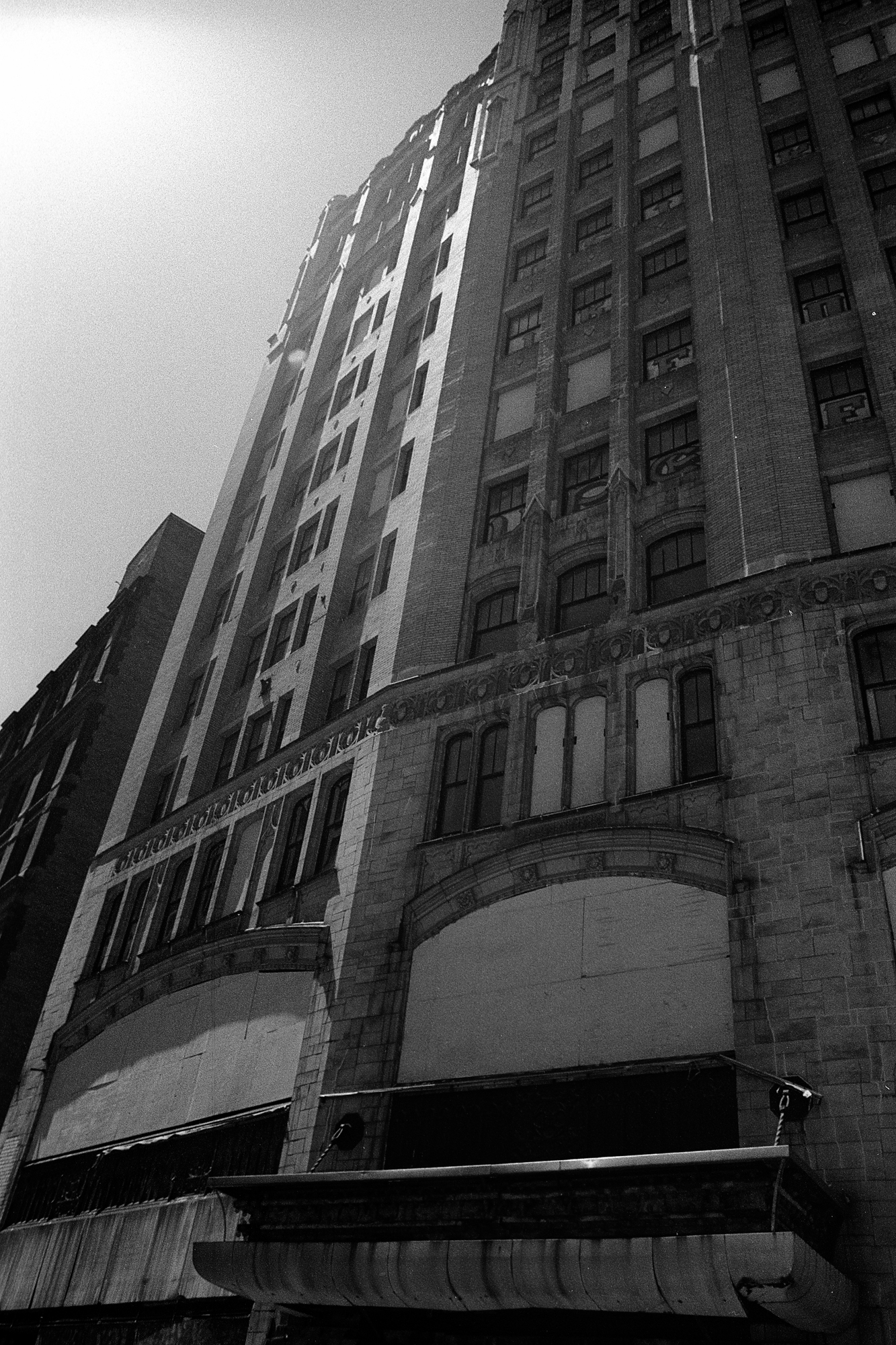
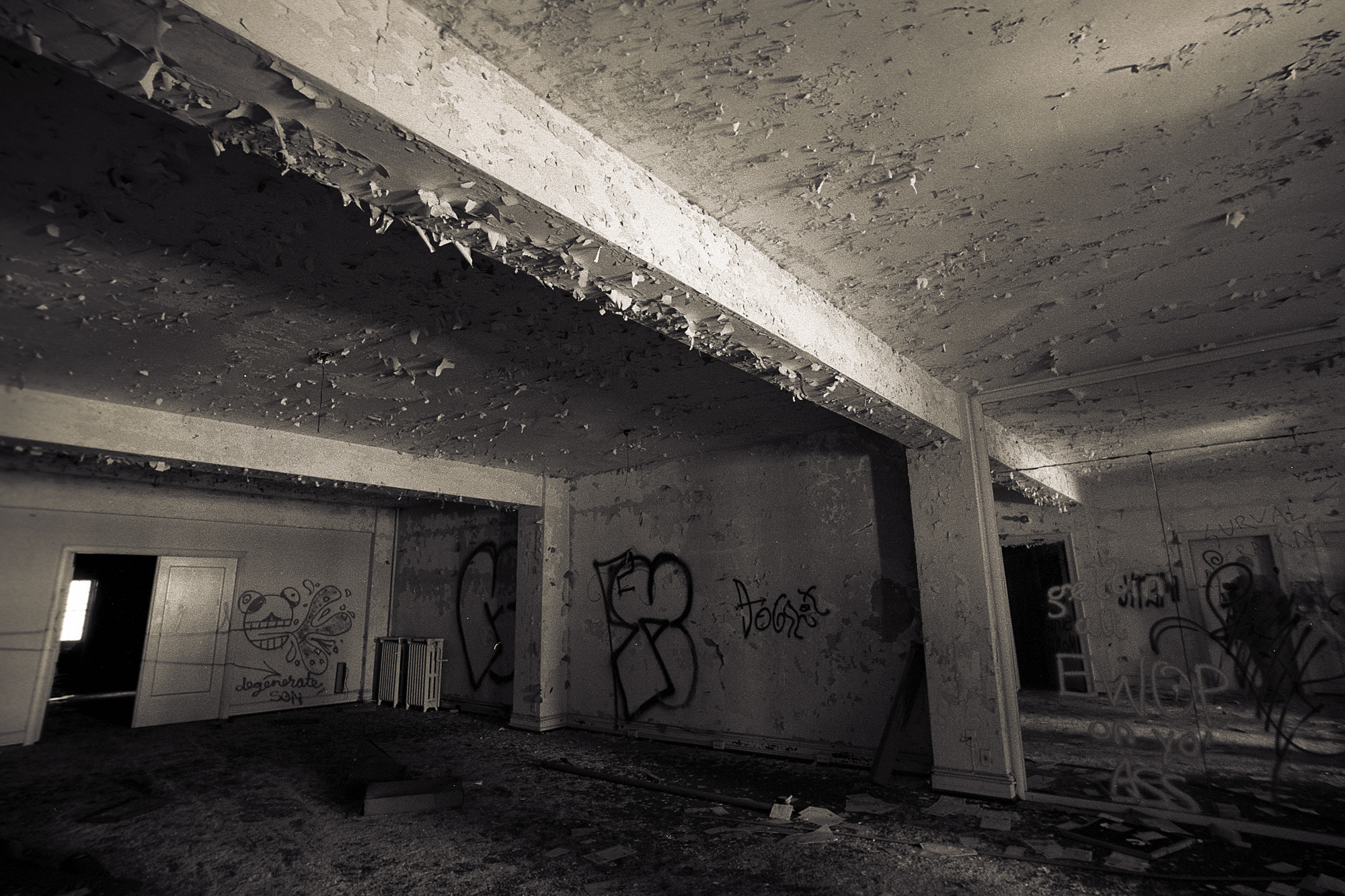
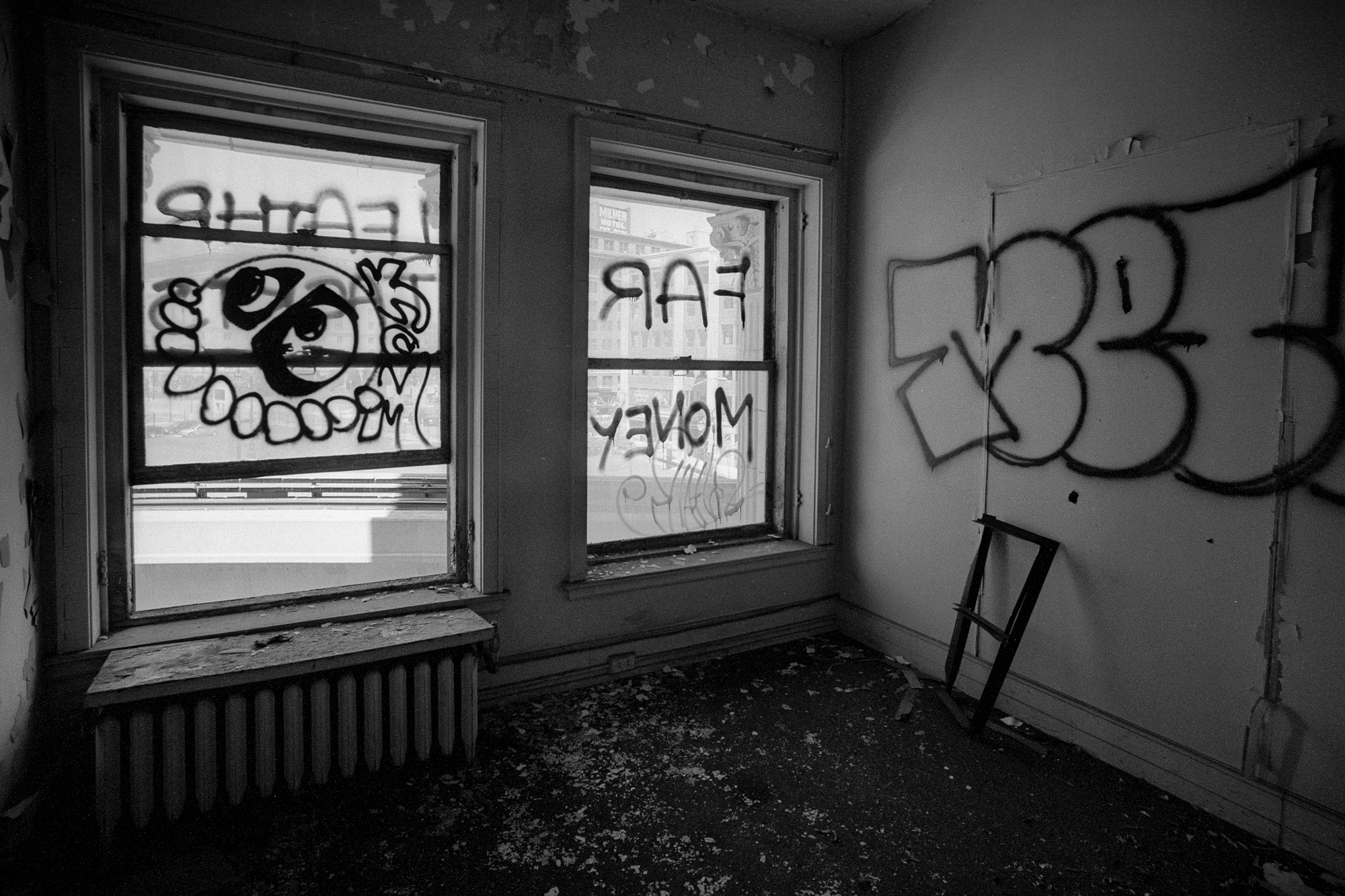
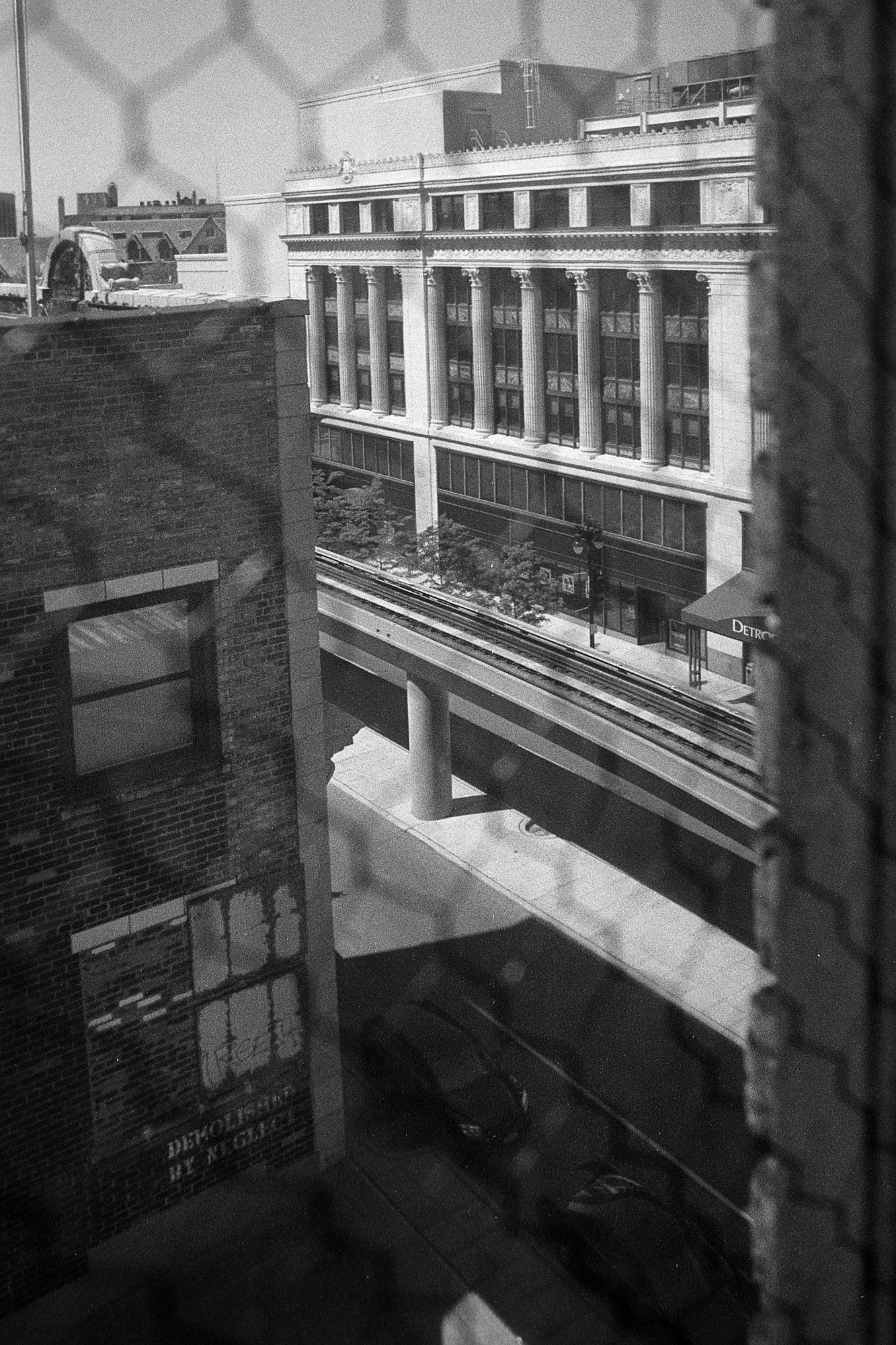
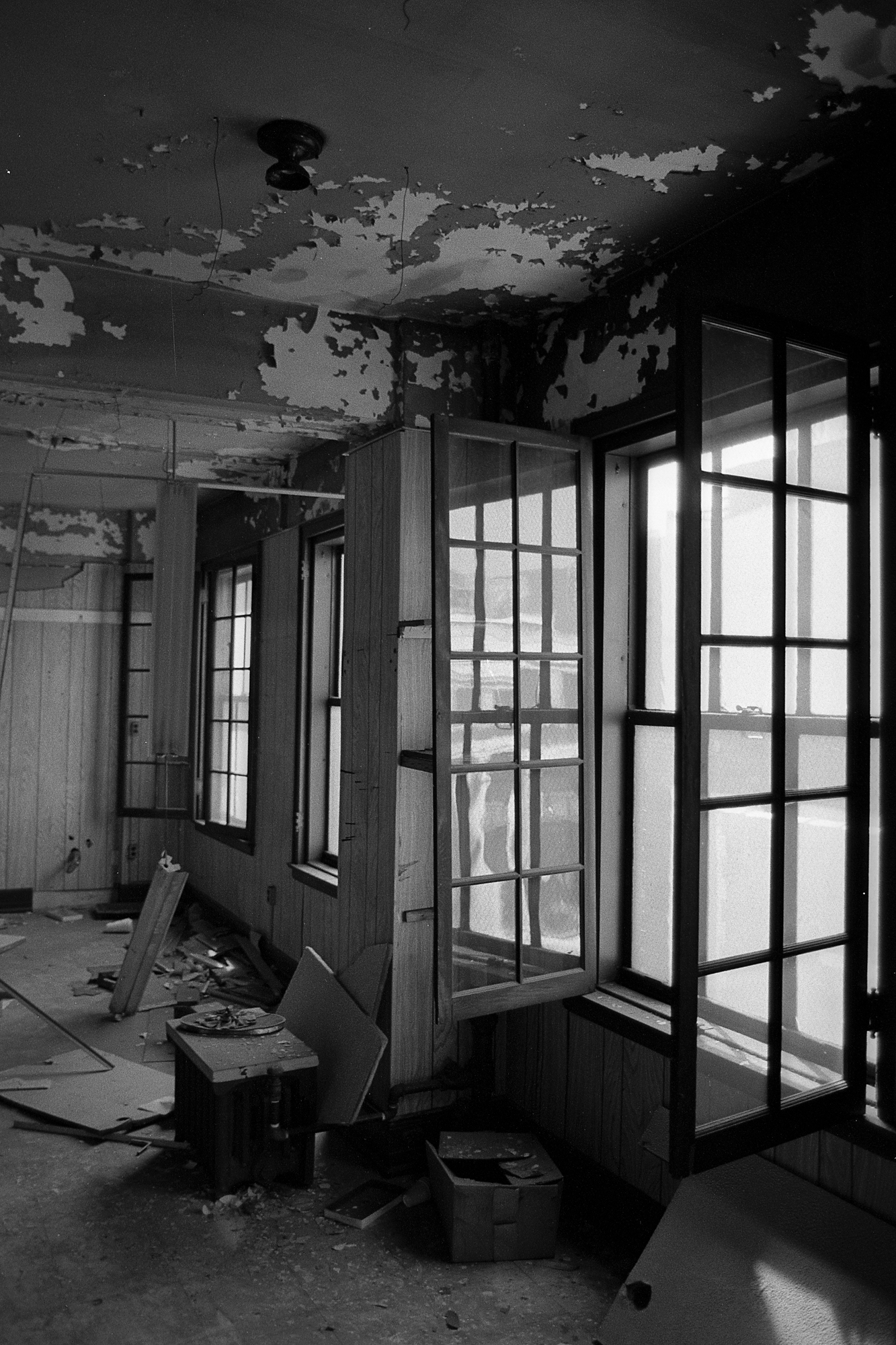
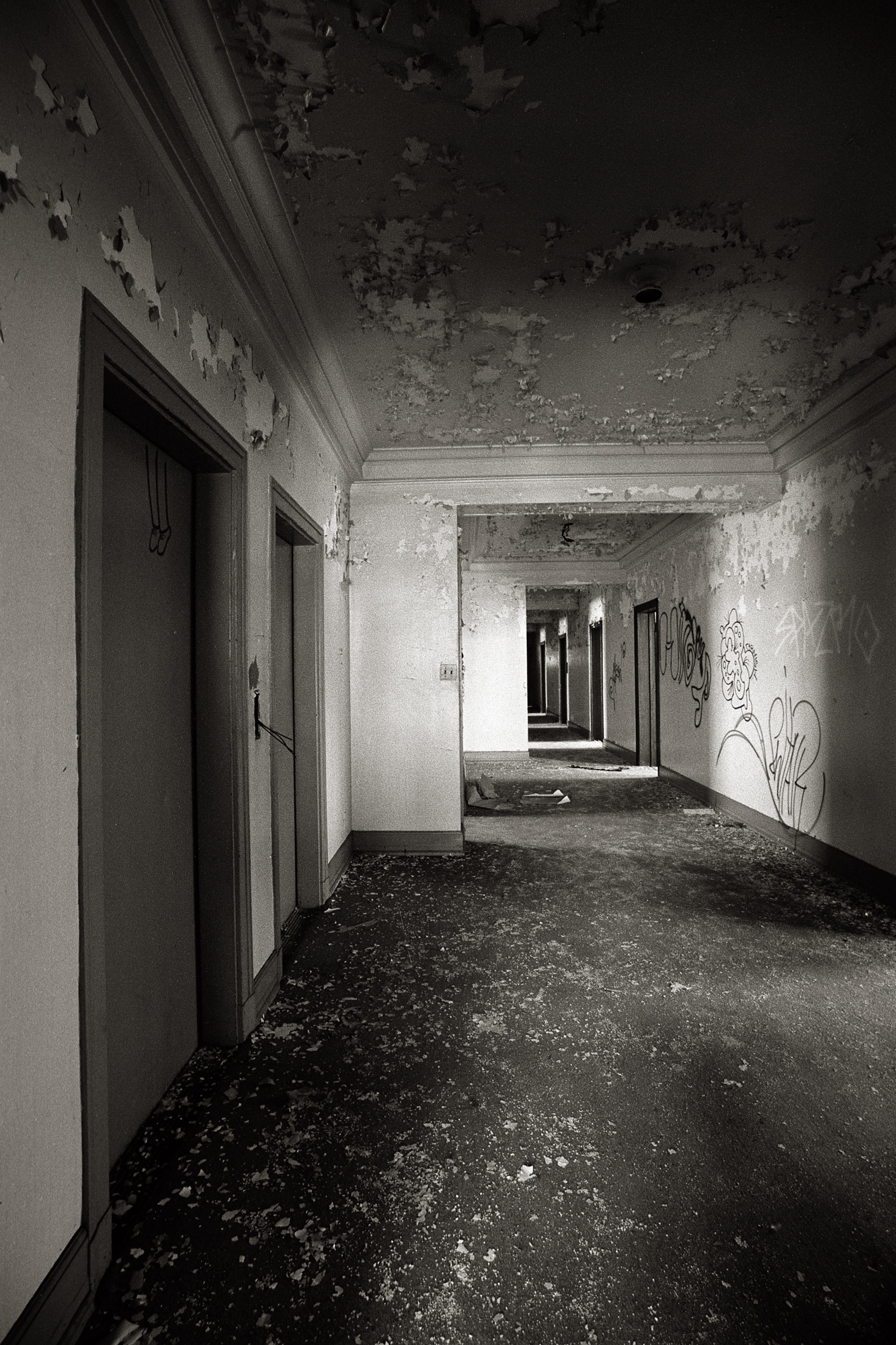
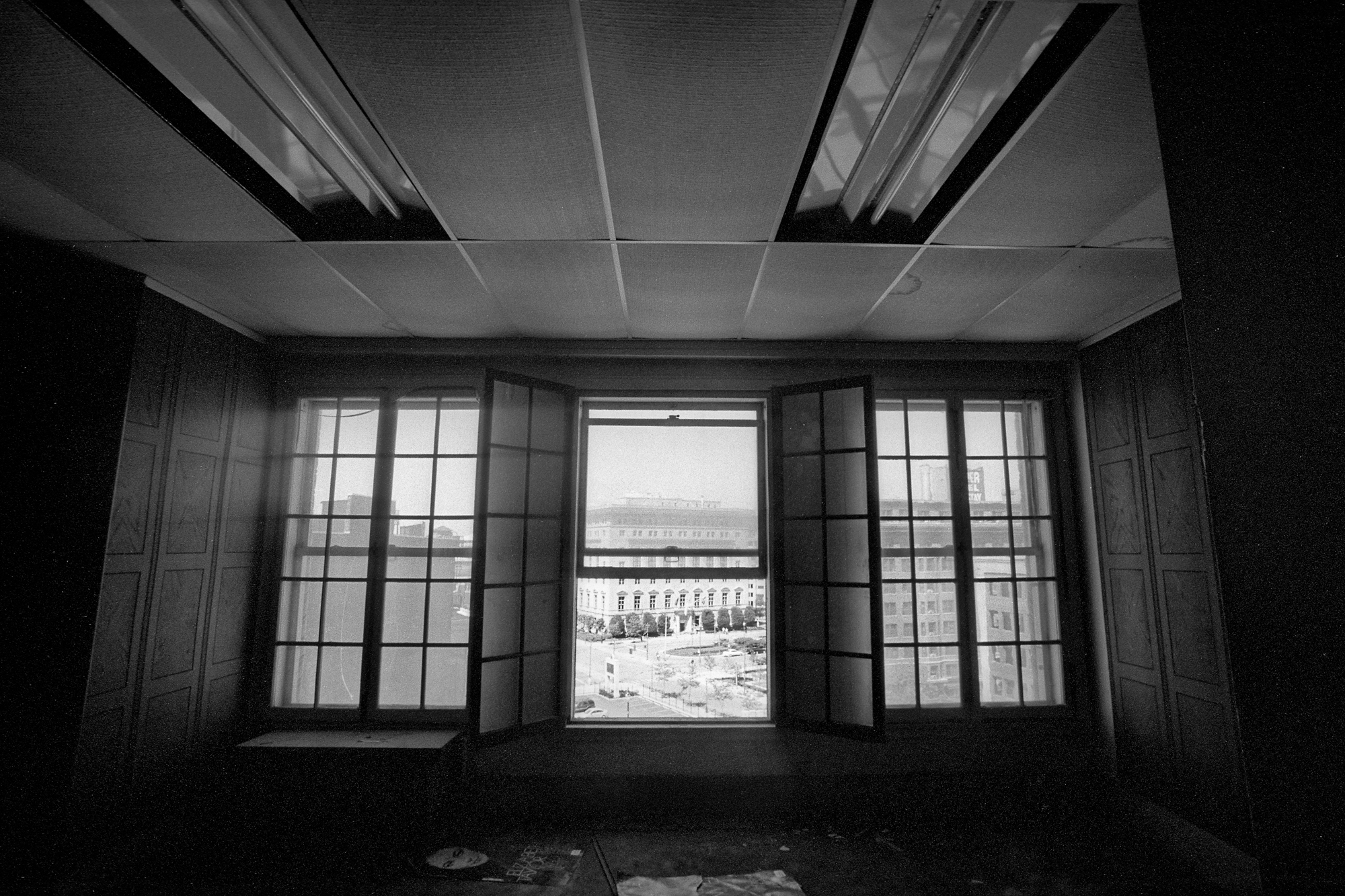
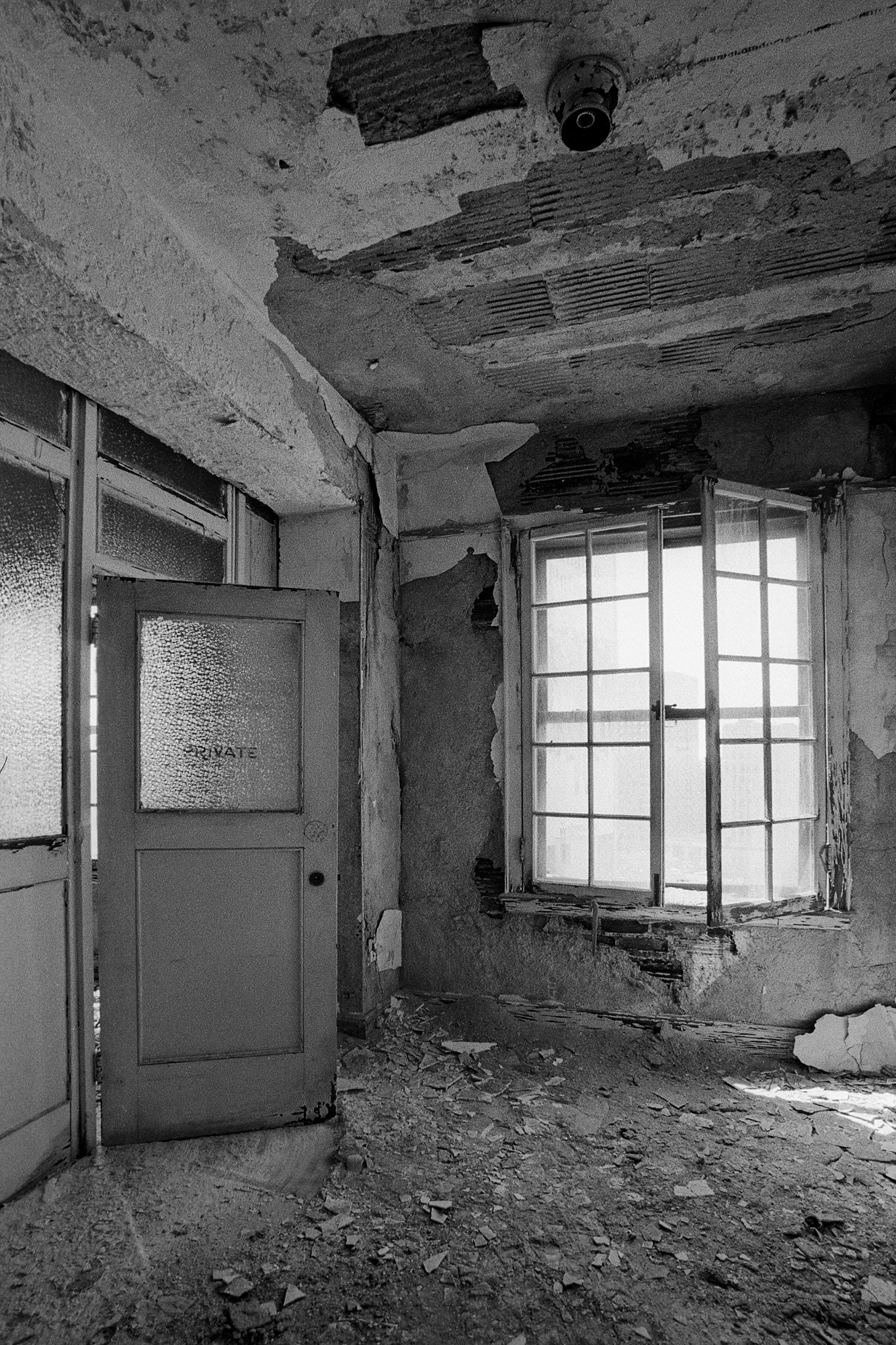
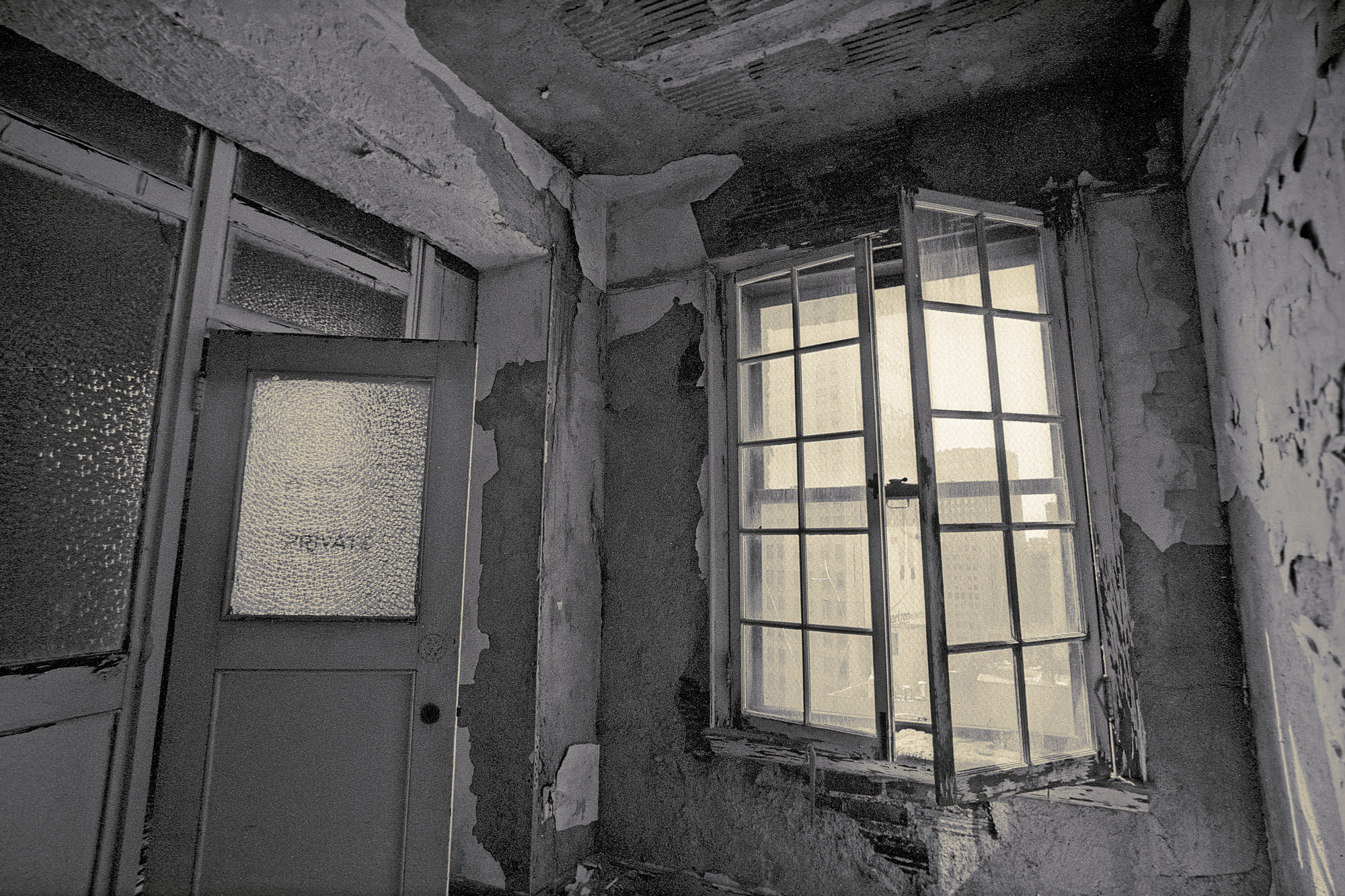
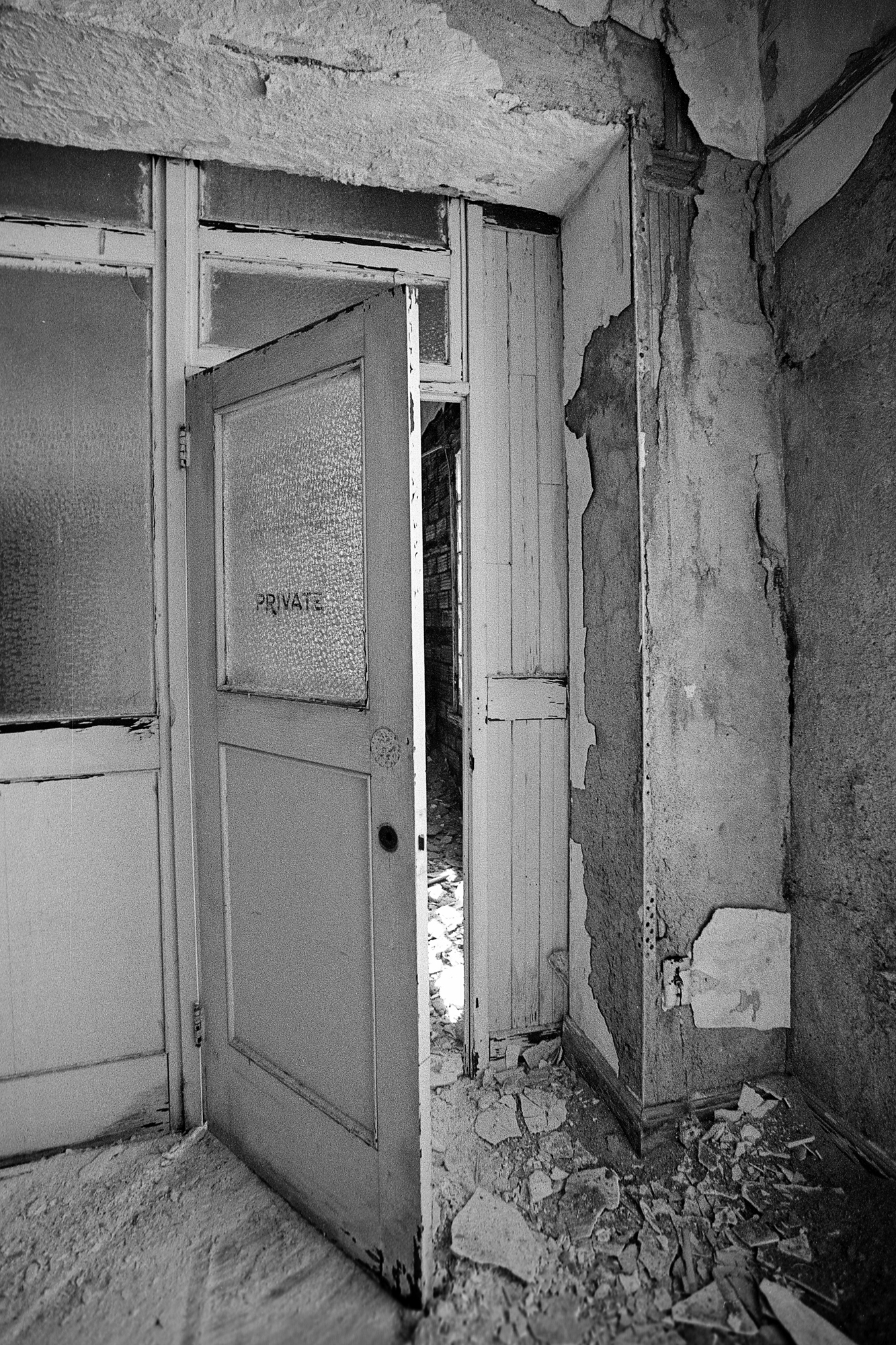
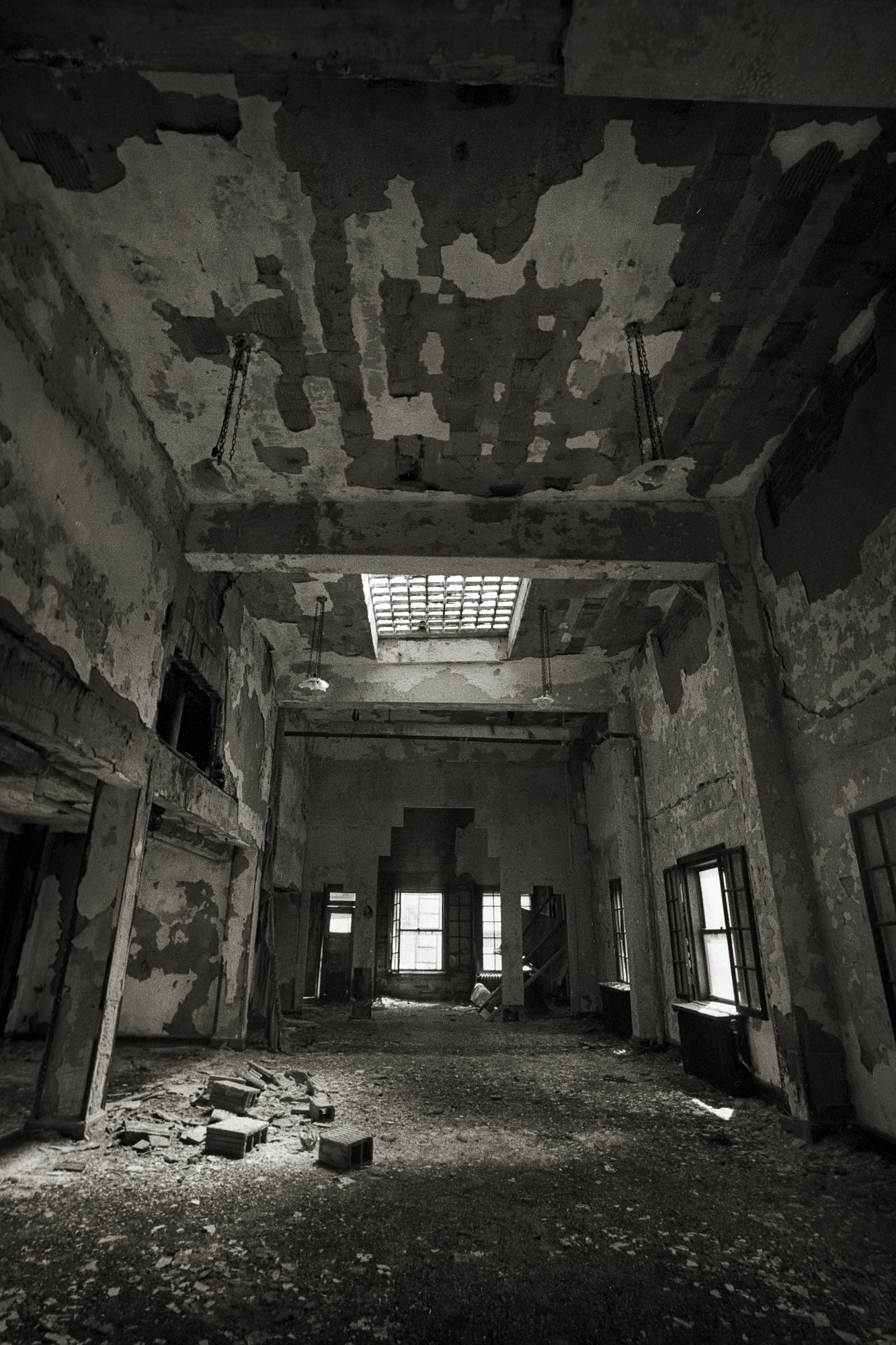
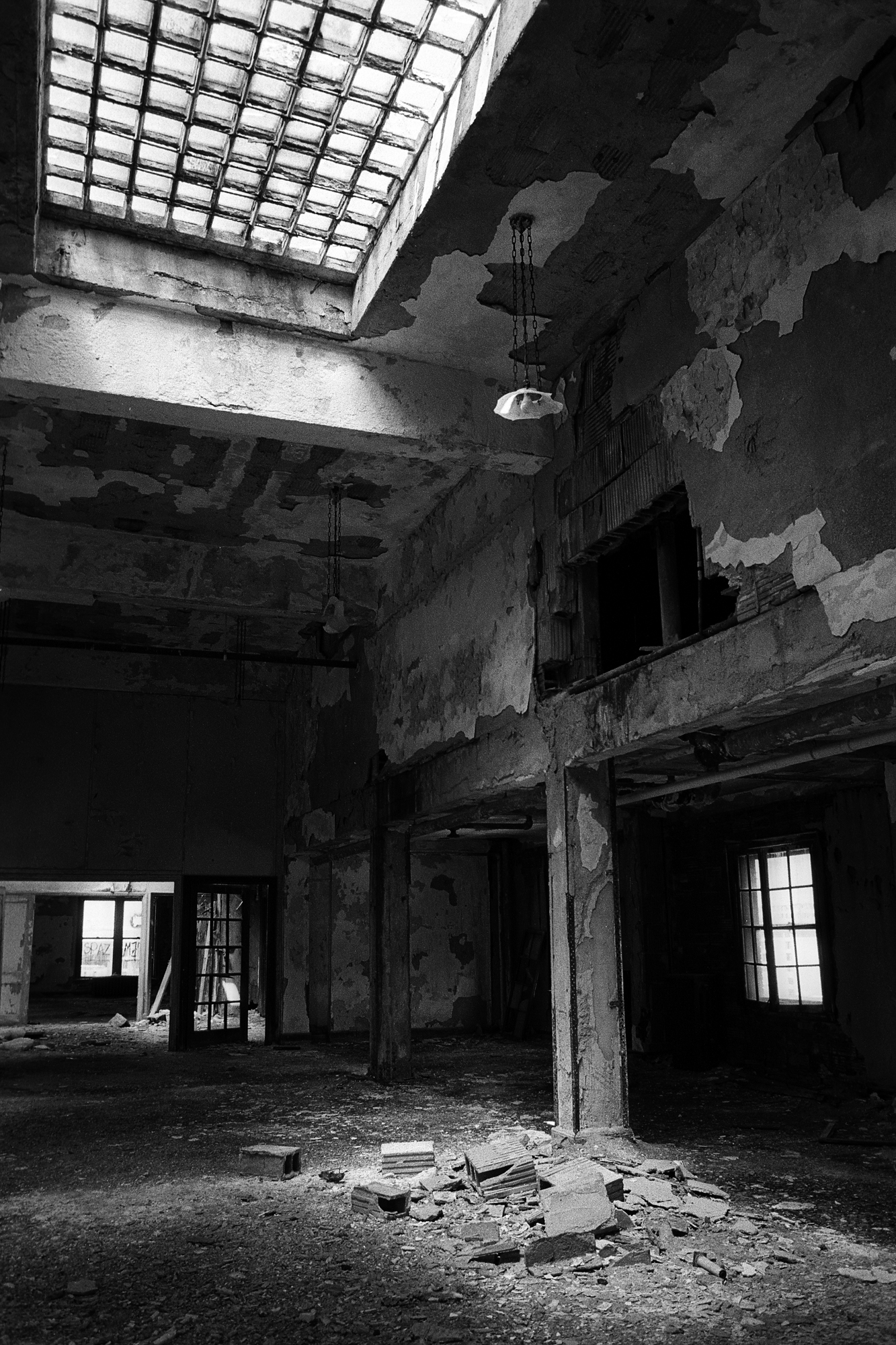
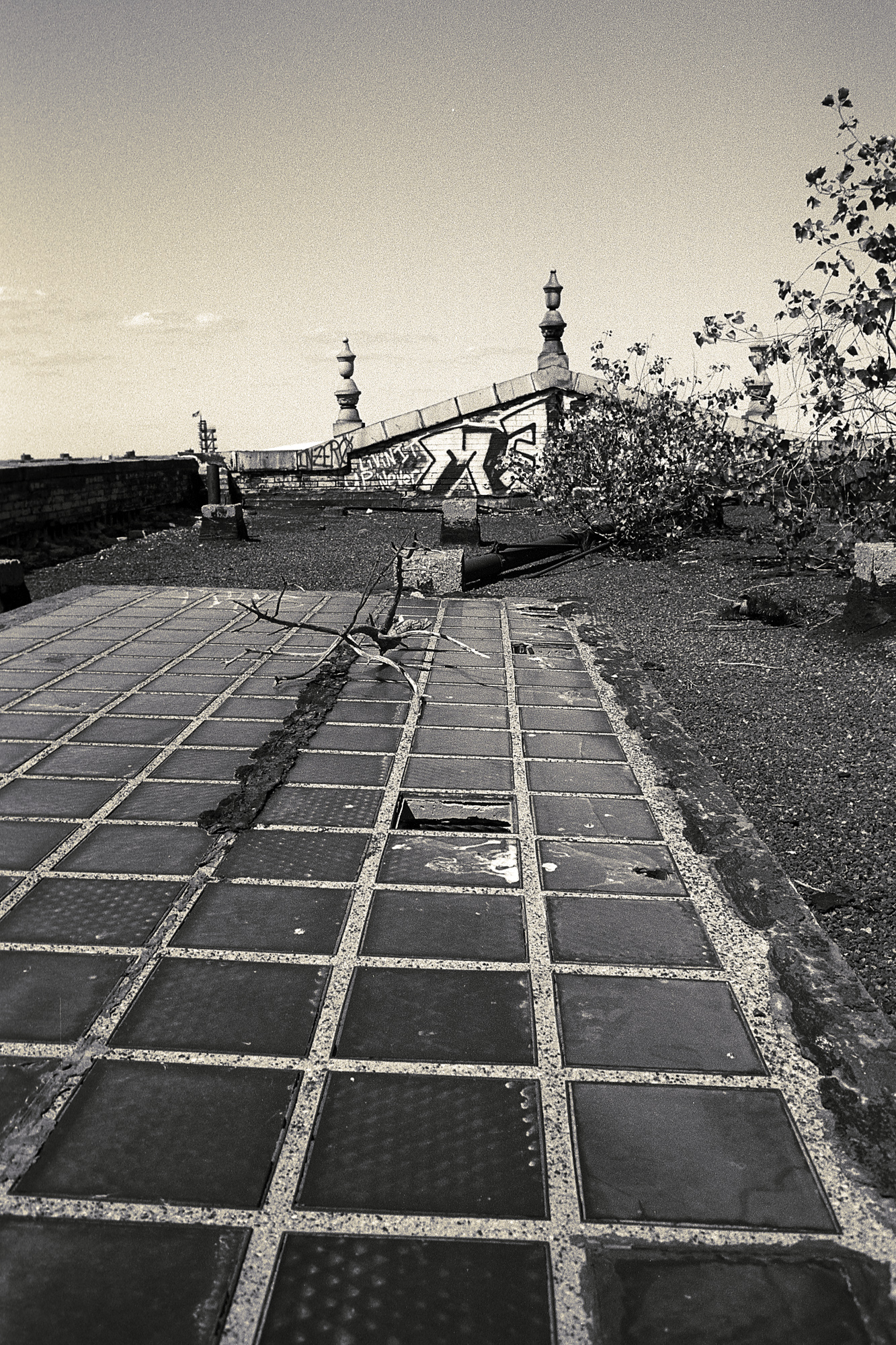
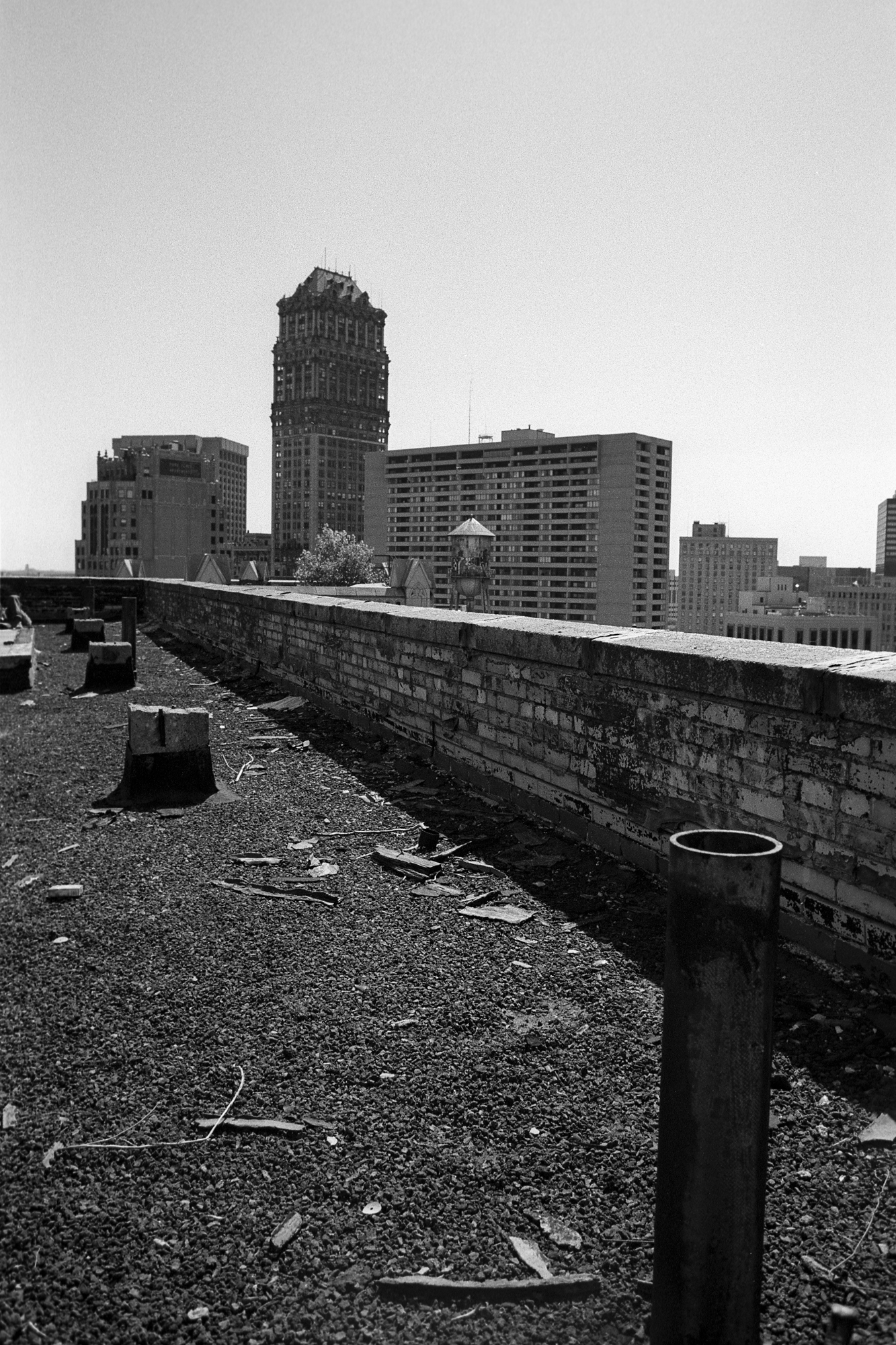
Our first stop was the Rudolf Wurlitzer Company. Being from the Northeast, we were used to places having security and neighbors watching so we were surprised when we just parked nearby and just waltzed down the city streets into the building like it was nothing. As it turns out, Detroit had a lot bigger things to worry about than some random people with cameras poking around an abandoned building.
The Rudolph Wurlitzer company was founded in Cincinatti, Ohio in1853 by a German immigrant. The Wurlitzer family had been making musical instruments for centuries, starting in Vogtland, Saxonia in 1659. Initially, the company focused on the importation of pianos and organs as well as some other types of instruments. The company won a contract with the American military to provide musical instruments, and was quite successful.
Wurlitzer was famous for its clarinets and for being a major dealer of Stradivari violins, but one of the company’s specialties was the production automated musical instruments. It began adding coin slots to player pianos in the late 1800s. During the silent movie era, Wurlitzer created a theater organ to provide accompaniment to the films.
In the 1930s the company began manufacturing jukeboxes which became a signature of American pop culture. After wartime materials restrictions were lifted in 1946 Paul Fuller designed the Wurlitzer 1015 “bubbler” which is iconic and what many people think of when they think of a jukebox. Jukeboxes were enormously popular and Wurlitzer shipped over 56,000 1015s in the first year of production alone.
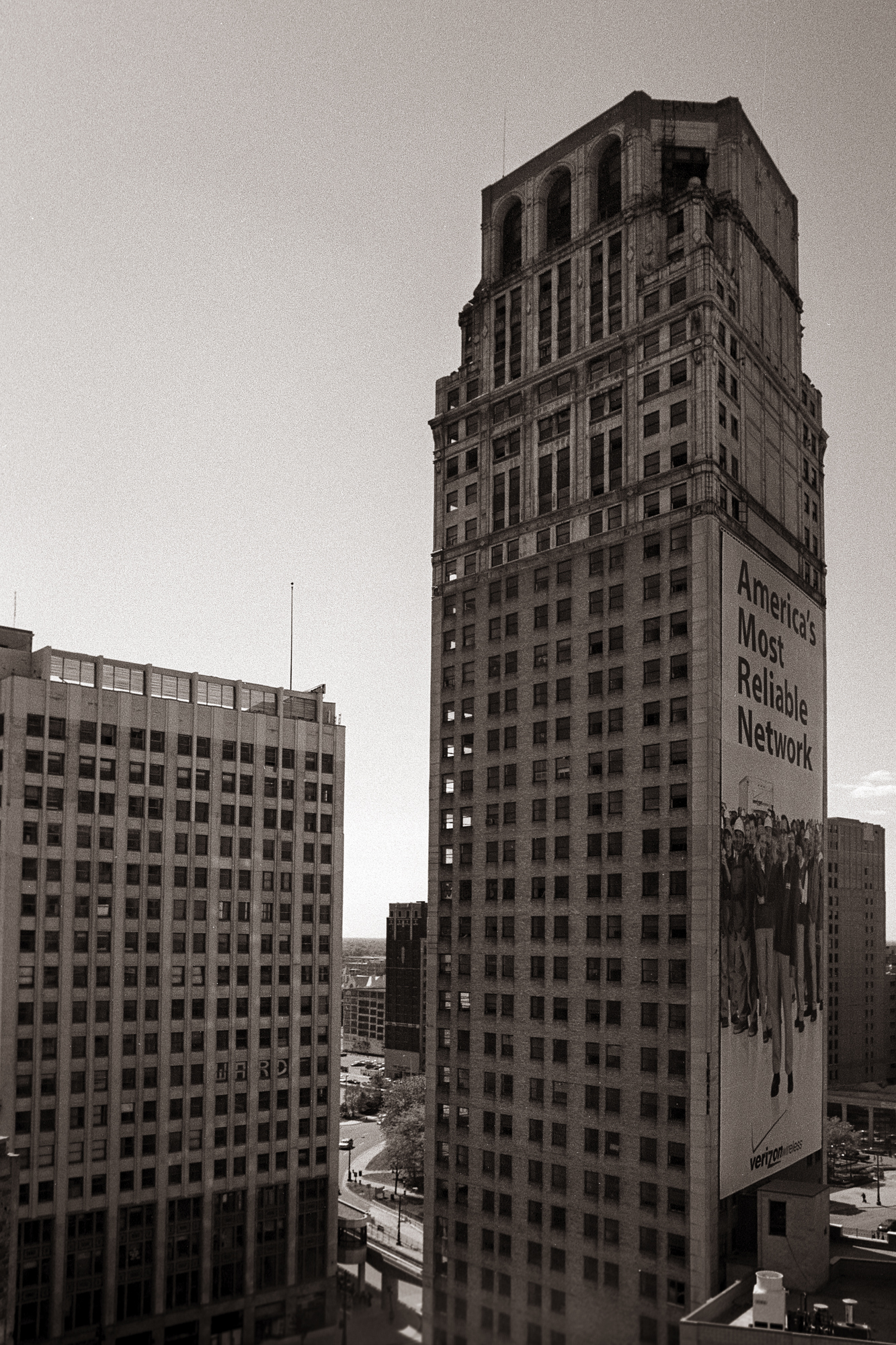
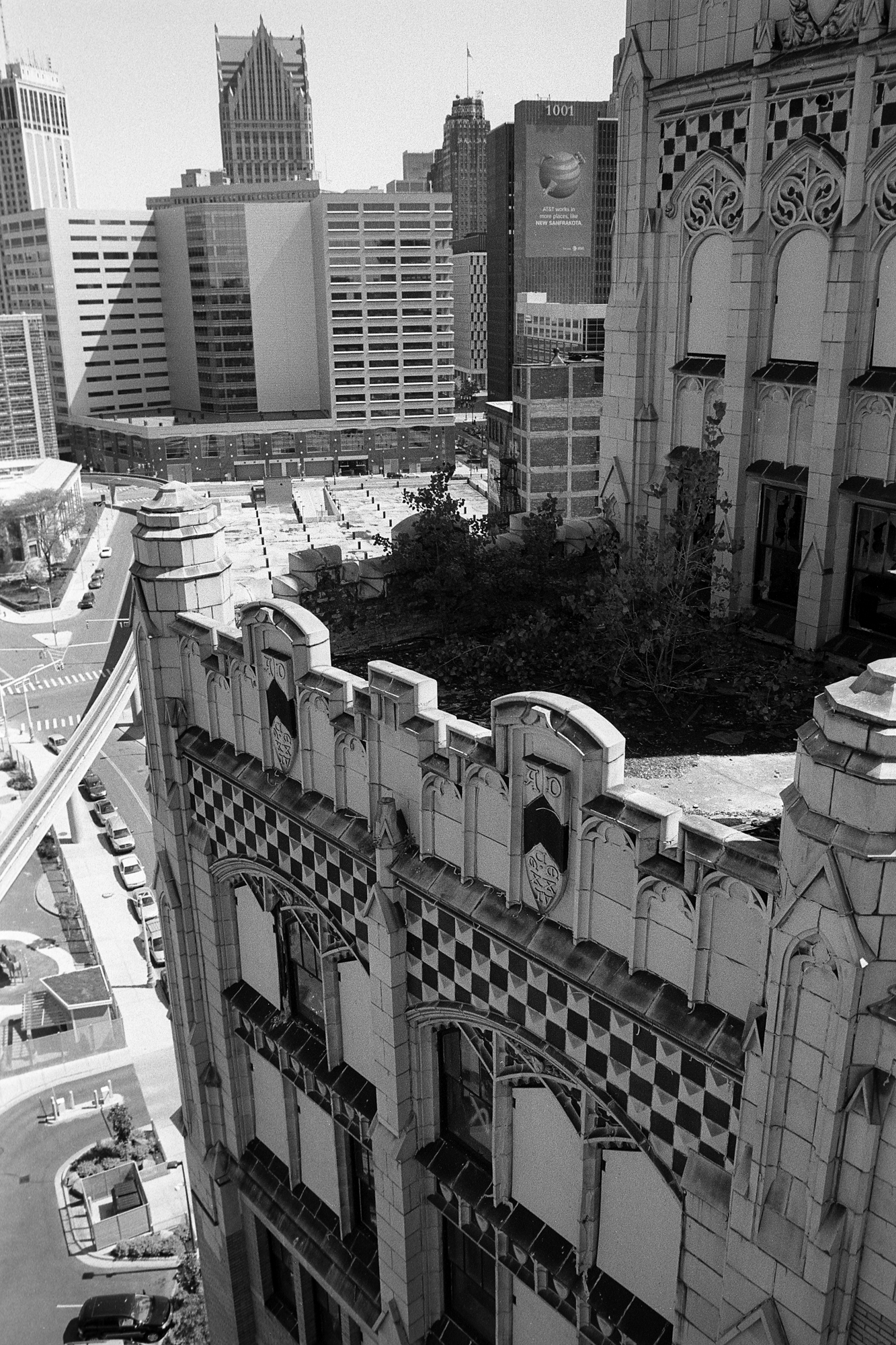
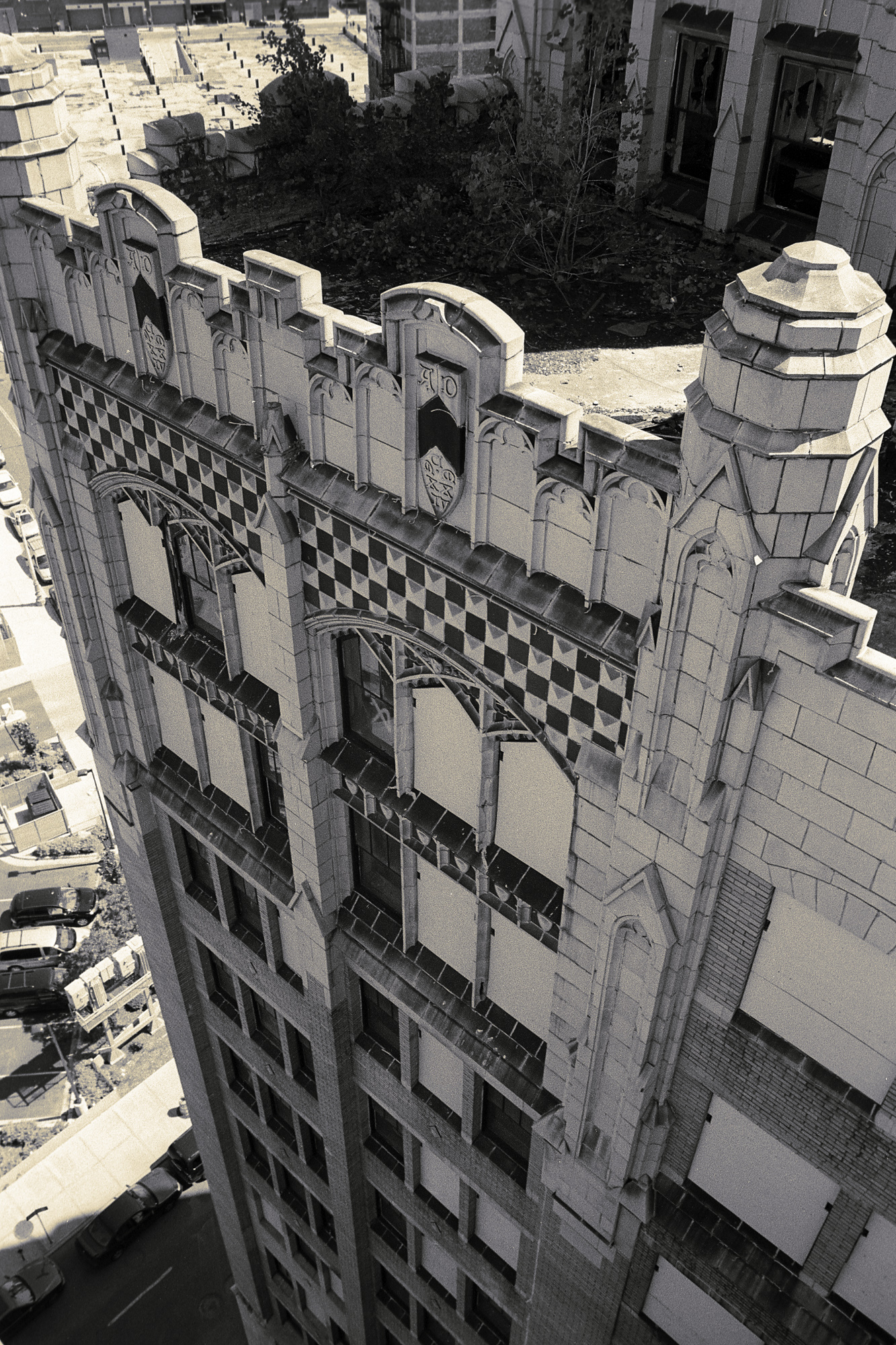
Designed in the Renaissance Revival style, the Wurlitzer building itself opened in 1926 to serve as the company’s headquarters. It eventually held a massive musical instrument repair shop, sheet music department, and sold Wurlitzer and other instruments.
If you want to learn more about the history of the Wurlitzer building please check out Nailhed’s excellent site and Historic Detroit.
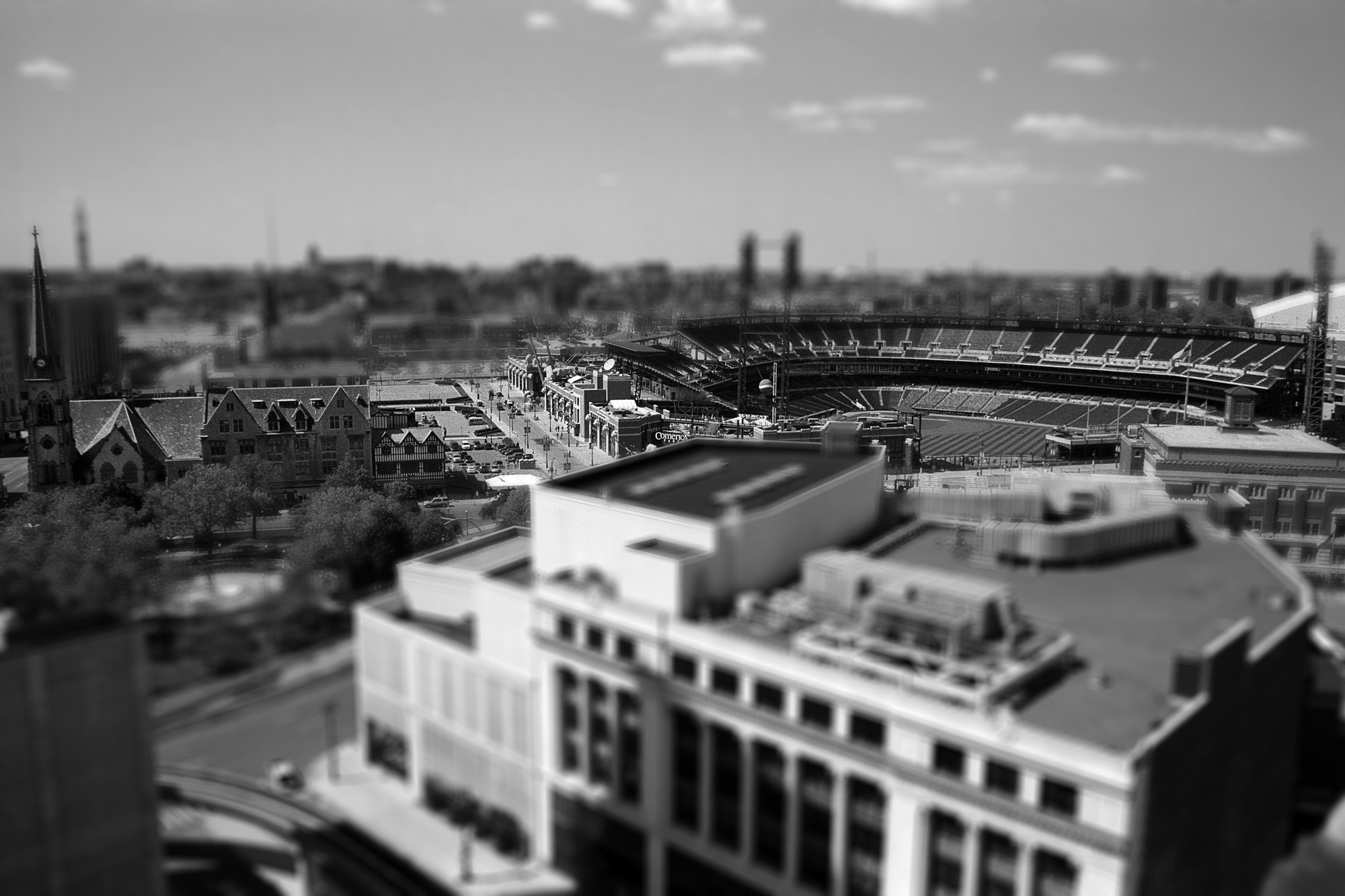
These pictures were taken with a Canon A-1 on Kodak Tri-X Pan 400 and Fuji Neopan 1600. I’ll explain my rationale in my next post in this trip series.
Urban exploration was hot in the 00s. People had certainly been doing it long before then but it felt like there was a confluence of people getting interested in it, digital photography making photography and video production more accessible, and also a lot of buildings of a certain desirable era being abandoned. The exploring forums were bursting with new people, myself included, and this created an absolutely enormous amount of drama and nonsense.
To combat this, people created private exclusive forums where people could be more thoroughly vetted. People who wanted to cause drama, who would attract attention to the forum and its participants, or who would expose good locations to a large audience were weeded out. I became a member of one such forum and it kicked off a few very crazy years of exploring and some new friendships which would outlast the forum itself.
The forum I joined was run by a group of people from Detroit. Detroit had been decimated by the collapse of the American auto industry. There were thousands of abandoned buildings, entire neighborhoods that just disappeared, and abandoned skyscrapers down town. It is impossible to overstate how devastated Detroit was. It is something you have to experience first hand. In America, and especially in the North East where I am from, we take it as a given that cities will continue to expand. It was inconceivable that the entire economy of a major city would collapse and massive segment of the population would just leave, but that is exactly what happened in Detroit.
Several people from the Northeast that were members of the private forum got together and agreed to take a trip out to Detroit. The goal was not only to explore some of the massive number of abandoned buildings, but to meet the Detroit crew. The Detroit crew explored hard and partied hard. Some of the members like to produce videos of their adventures, so we had some idea what we were getting in to.
The night we arrived there was a party, and things kicked in to high gear immediately. I was concerned about drinking too much and being functional to explore the next day, but as soon as we hit the ground it was like a wave swept over us and carried us along. We had bought the ticket, now it was time to take the ride.
Our first stop was the Rudolf Wurlitzer Company. Being from the Northeast, we were used to places having security and neighbors watching so we were surprised when we just parked nearby and just waltzed down the city streets into the building like it was nothing. As it turns out, Detroit had a lot bigger things to worry about than some random people with cameras poking around an abandoned building.
The Rudolph Wurlitzer company was founded in Cincinatti, Ohio in1853 by a German immigrant. The Wurlitzer family had been making musical instruments for centuries, starting in Vogtland, Saxonia in 1659. Initially, the company focused on the importation of pianos and organs as well as some other types of instruments. The company won a contract with the American military to provide musical instruments, and was quite successful.
Wurlitzer was famous for its clarinets and for being a major dealer of Stradivari violins, but one of the company’s specialties was the production automated musical instruments. It began adding coin slots to player pianos in the late 1800s. During the silent movie era, Wurlitzer created a theater organ to provide accompaniment to the films.
In the 1930s the company began manufacturing jukeboxes which became a signature of American pop culture. After wartime materials restrictions were lifted in 1946 Paul Fuller designed the Wurlitzer 1015 “bubbler” which is iconic and what many people think of when they think of a jukebox. Jukeboxes were enormously popular and Wurlitzer shipped over 56,000 1015s in the first year of production alone.
Designed in the Renaissance Revival style, the Wurlitzer building itself opened in 1926 to serve as the company’s headquarters. It eventually held a massive musical instrument repair shop, sheet music department, and sold Wurlitzer and other instruments.
If you want to learn more about the history of the Wurlitzer building please check out Nailhed’s excellent site and Historic Detroit.
These pictures were taken with a Canon A-1 on Kodak Tri-X Pan 400 and Fuji Neopan 1600. I’ll explain my rationale in my next post in this trip series.