
Fisher Body #21 – May 2008
External Links
- Fisher Body #21 - Historic Detroit
- Fisher Body #21 - Nailhed
- Fisher Body #21 - Mr. P Explores
- Fisher Body #10 - Nailhed
- Fisher Family History - Detroit Historical Society
- Fisher Body Tank Plant - Michigan Tech
- Charles T. Fisher Mansion - Historic Detroit
- Detroit OKs $25M tax break to clean up contaminated Fisher Body Plant
- From Blight to Bright: The $134 Million Transformation of Detroit’s Fisher Body Plant 21
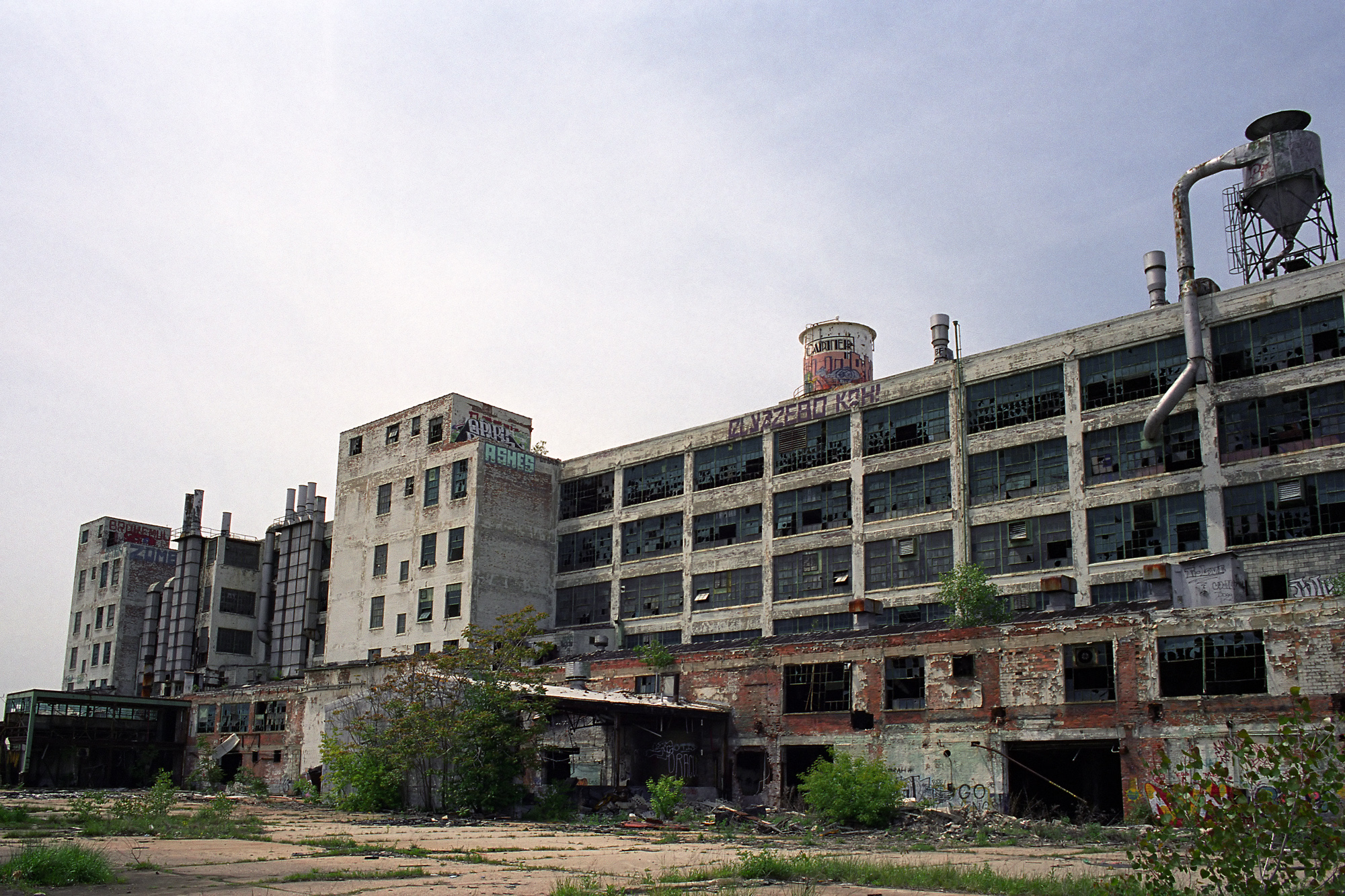
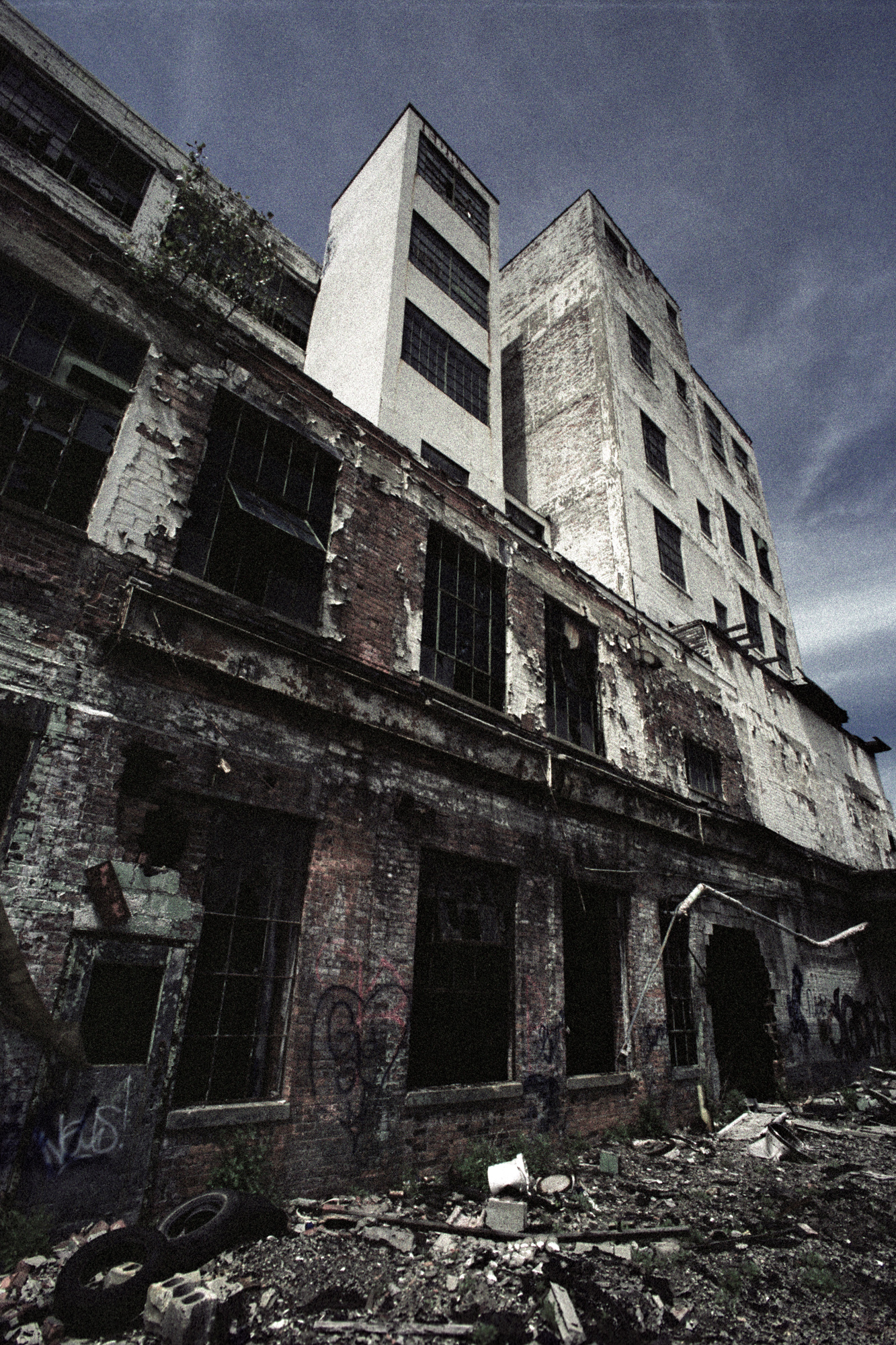
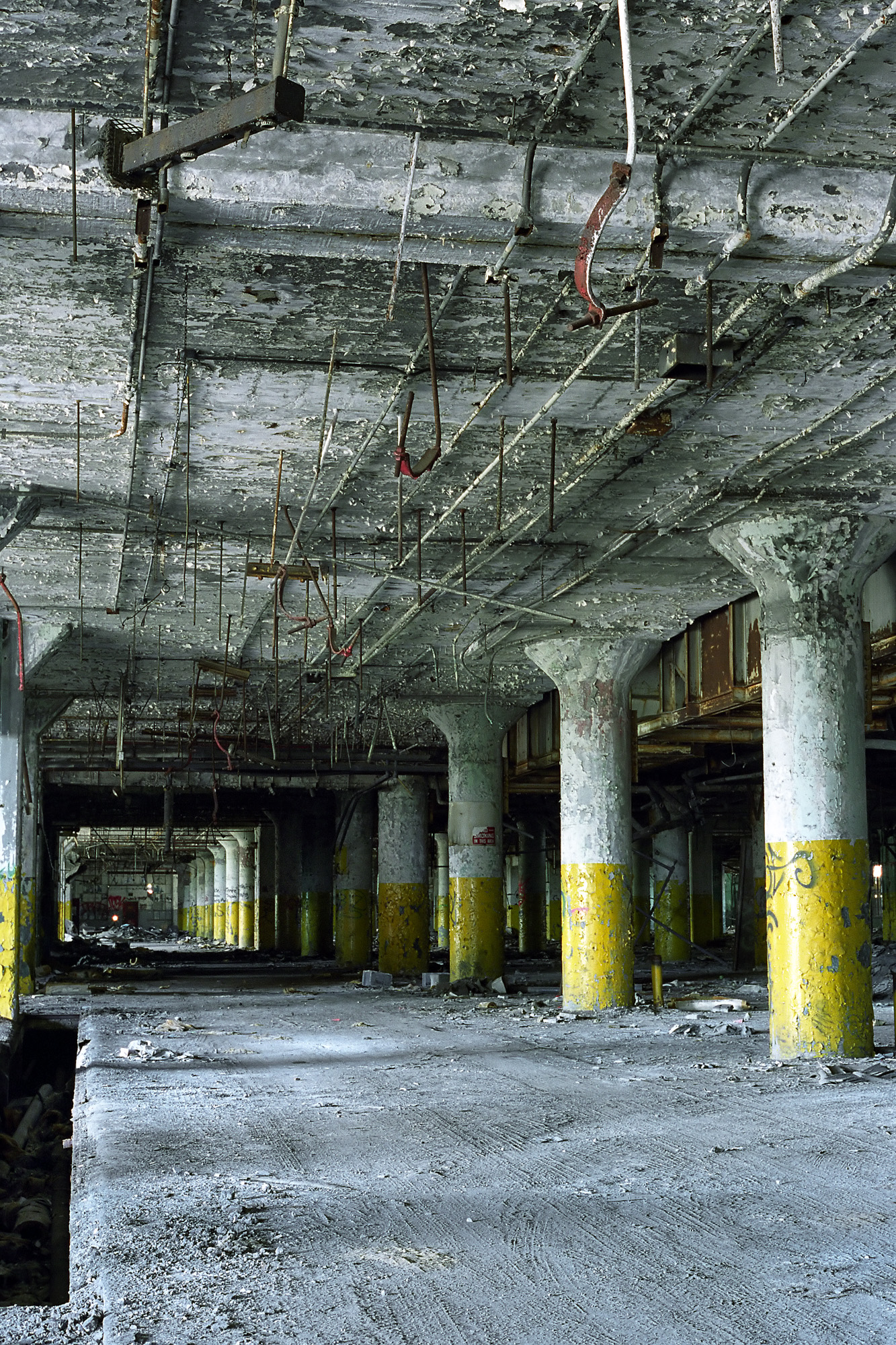
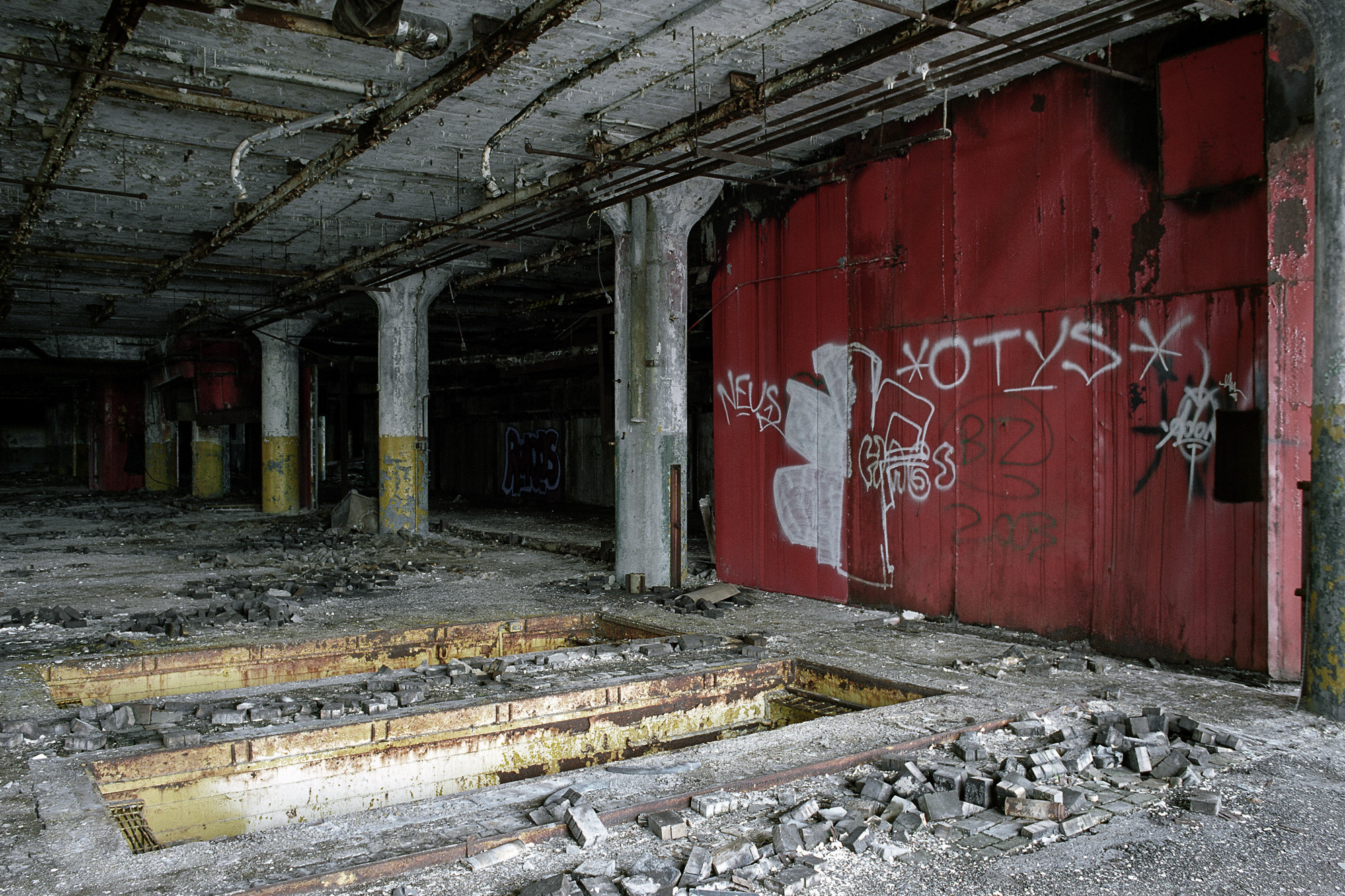
Day 3 of my first adventure to Detroit took us to Fisher Body #21, having capped off the previous day at the Roosevelt Warehouse. Located at the intersection of I94 and I75 the building became a well known eyesore for commuters and symbolic of Detroit’s decline.
Fisher Body was founded in 1908 by the Fisher Brothers. One of the brothers, Fred Fisher, created the first car body closed to the elements for the 1905 Cadillac Osceola. The company immediately took off and by 1914 they had become the world’s largest manufacturers of automobile bodies, supplying companies including Abbot, Buick, Cadillac, Chalmers, Chandler, Chevrolet, Church-Field, Elmore, EMF, Ford, Herreshoff, Hudson, Krit, Oldsmobile, Packard, Regal, and Studebaker.
The company started out manufacturing bodies out of wood, hand fitting one-off components together. One of the innovations the company pioneered in it’s early days was using standardized components to eliminate the need for custom work to produce a single automobile body. Wooden bodies proved inadequate to handle the stresses and vibrations of motorized vehicles, though, and eventually stamped metal bodies became the norm.
The 600,000 square foot Fisher Body #21 was constructed in 1919, the same year General Motors took a 60% stake in Fisher Body. The plant was designed by Smith, Hinchman & Grylls but is sometimes misattributed to Albert Khan, who designed many other famous buildings in Detroit including the Art Deco Fisher Building in downtown Detroit and the legendary Packard Plant.
Fisher Body contributed substantially to the effort to win World War II. They produced tanks, including the well known Sherman M-4, at the Fisher Tank Plant in Grand Blanc, MI. The company also developed a prototype fighter aircraft, the Fisher P-75 Eagle.
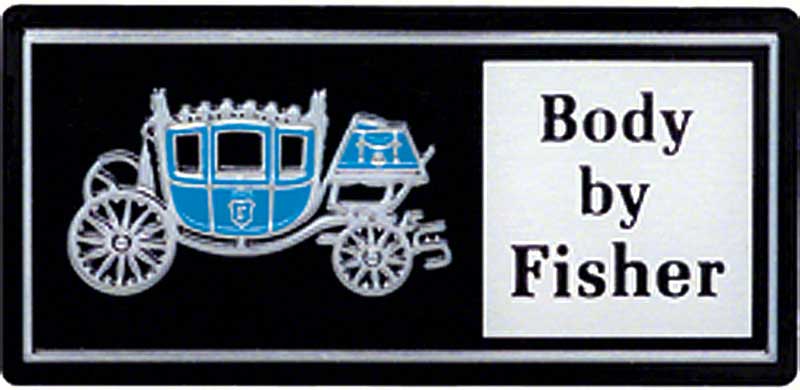
General Motors continued to increase its involvement with Fisher, eventually taking full ownership of the company. The signature Body by Fisher placard appeared on countless GM vehicles. The version linked here, with the text on the right side is the 1980s version, which I remember from our 1988 Oldsmobile Delta 88.
Fisher Body #21 was closed by GM in 1984 and sat abandoned for several years. In 1990 Cameo Color Coat purchased the facility. Cameo declared bankruptcy only three years later in 1993 and the building closed in April of that year. The City of Detroit took ownership in 2000. As an industrial site, contamination was a significant obstacle to any kind of redevelopment plans.
Luckily, this was not the last chapter in the plant’s history. The Detroit City Council approved a $25m grant to help remediate contamination at the site as part of a $134m overall redevelopment plan.
We finished off our second day in Detroit at the legendary Packard Plant.
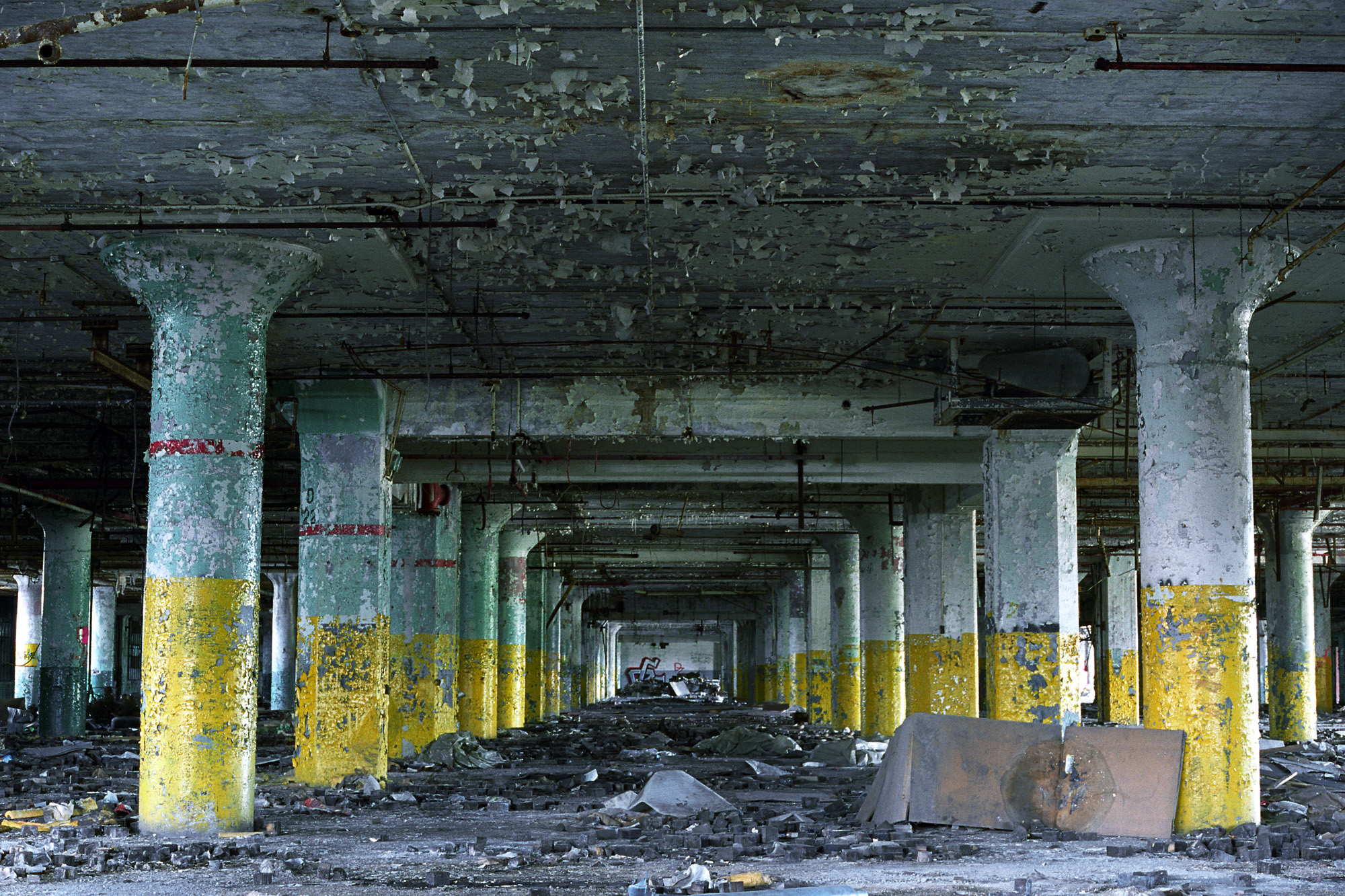
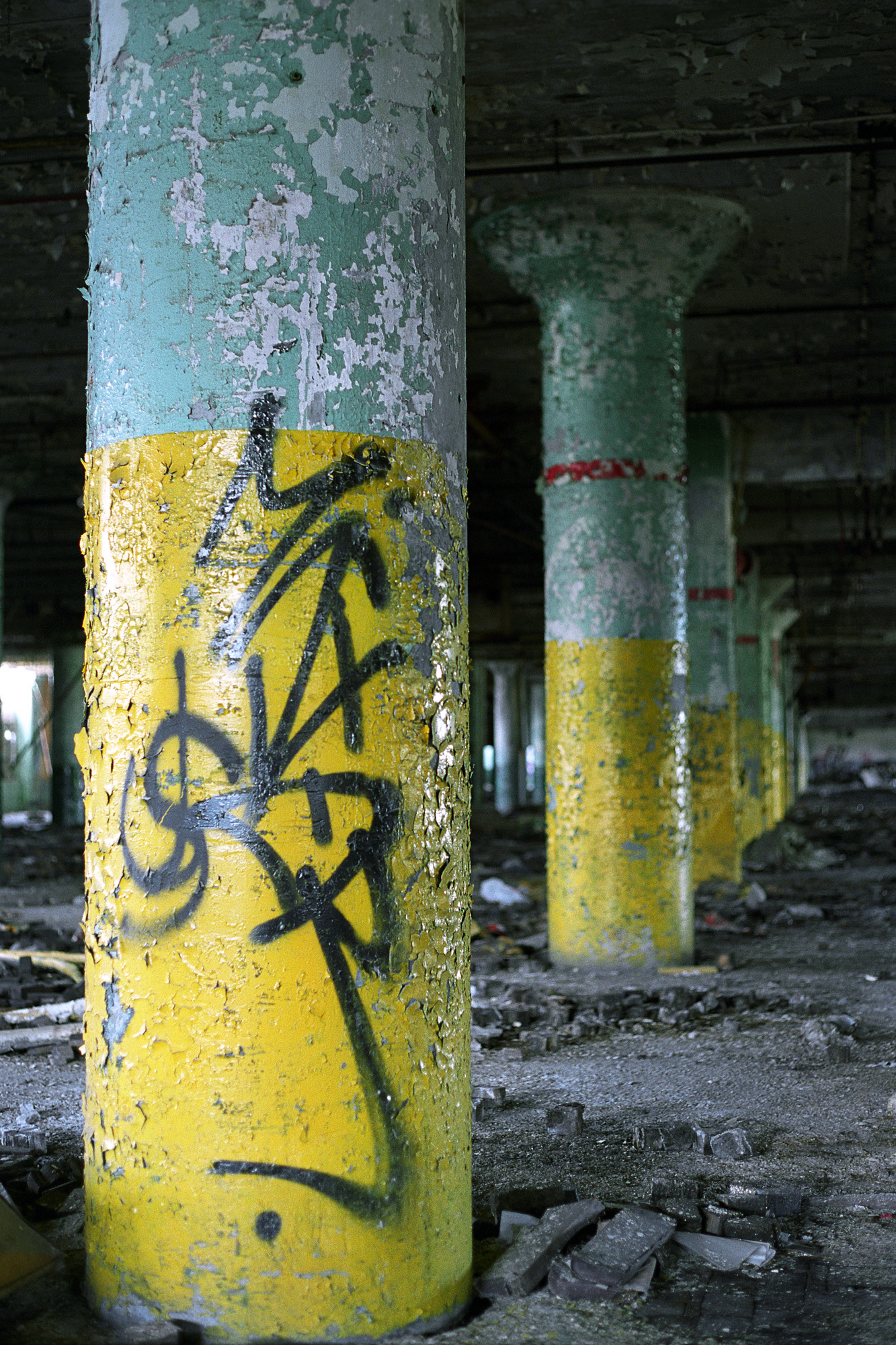
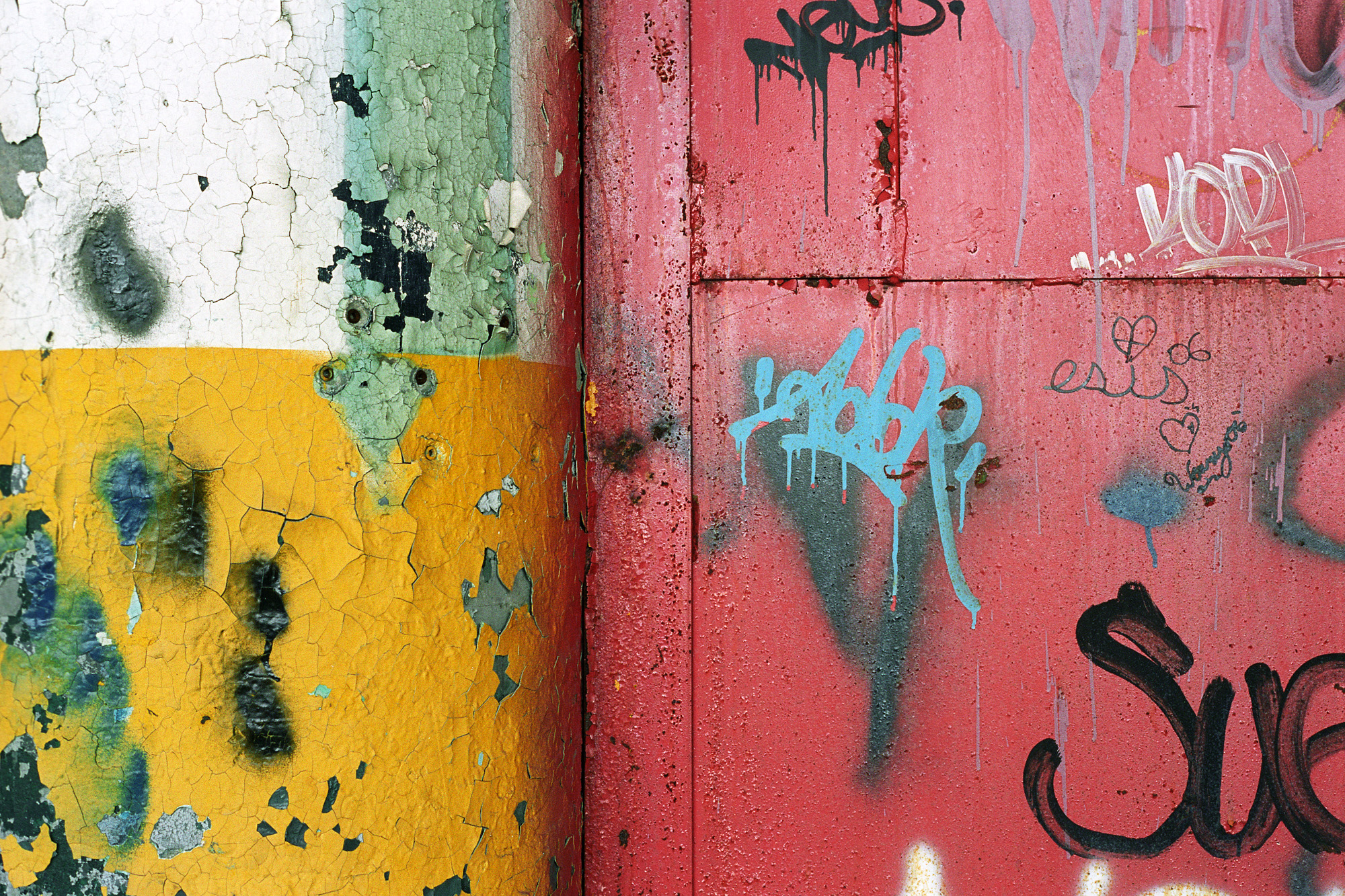
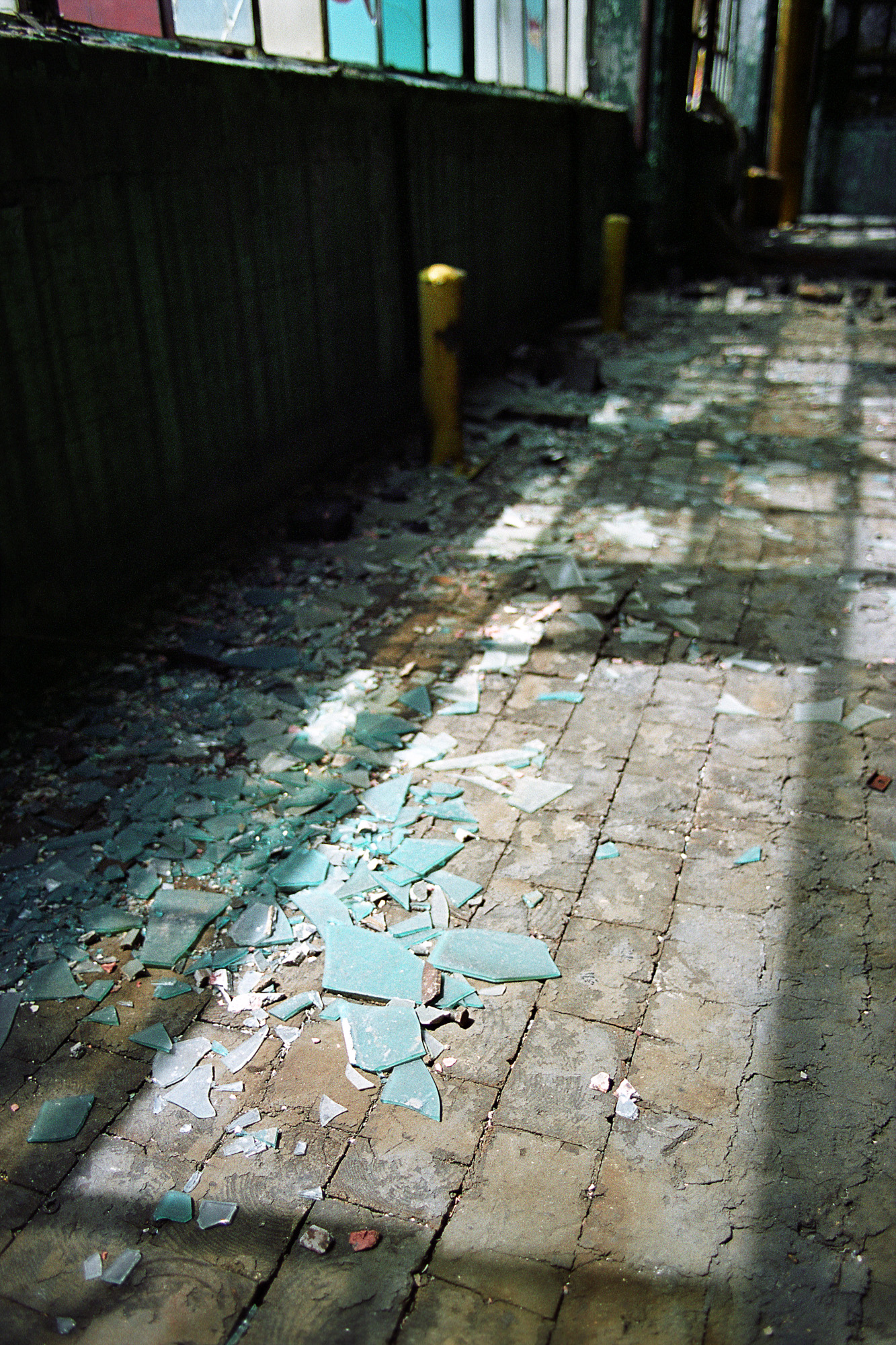
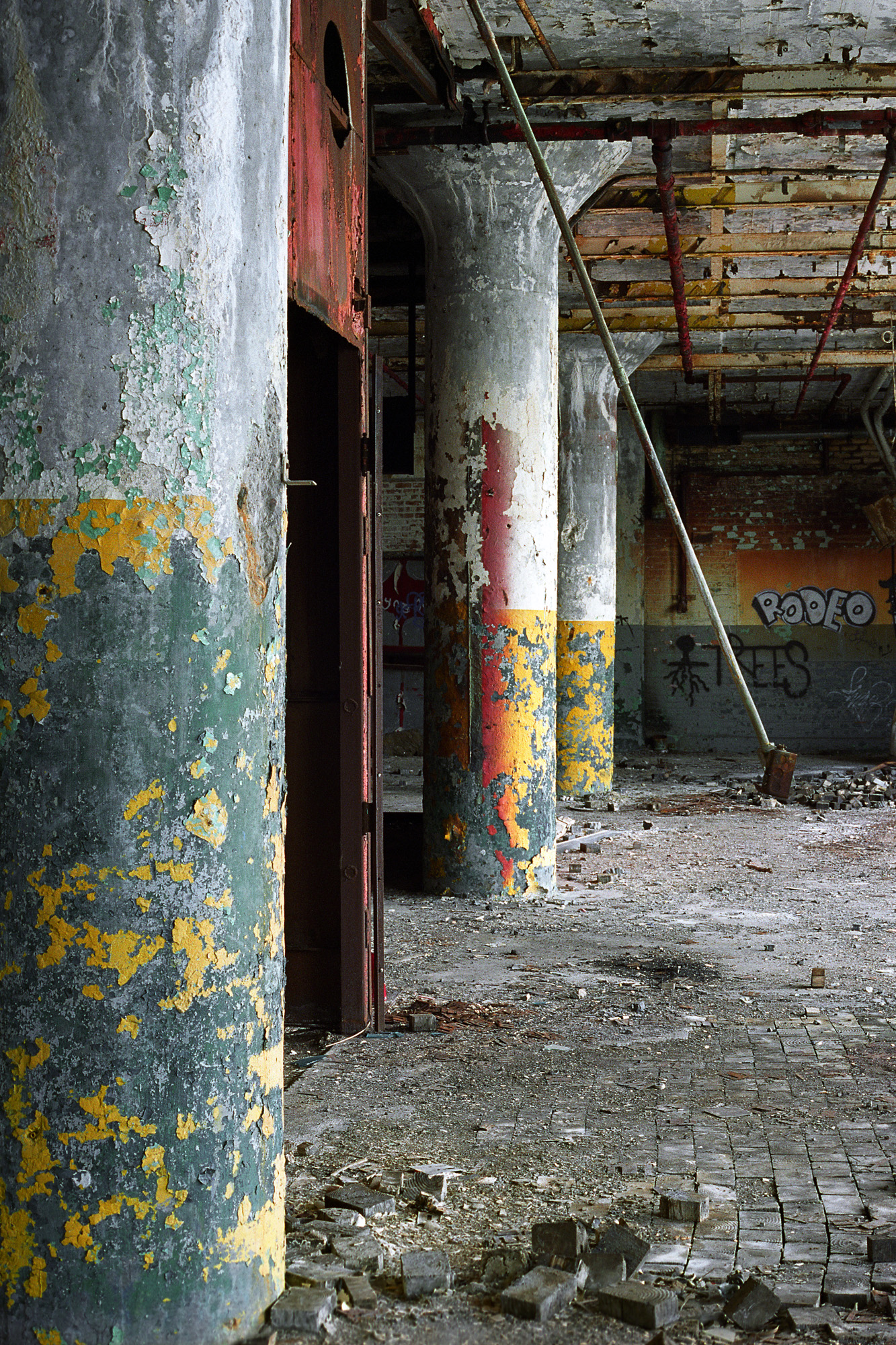
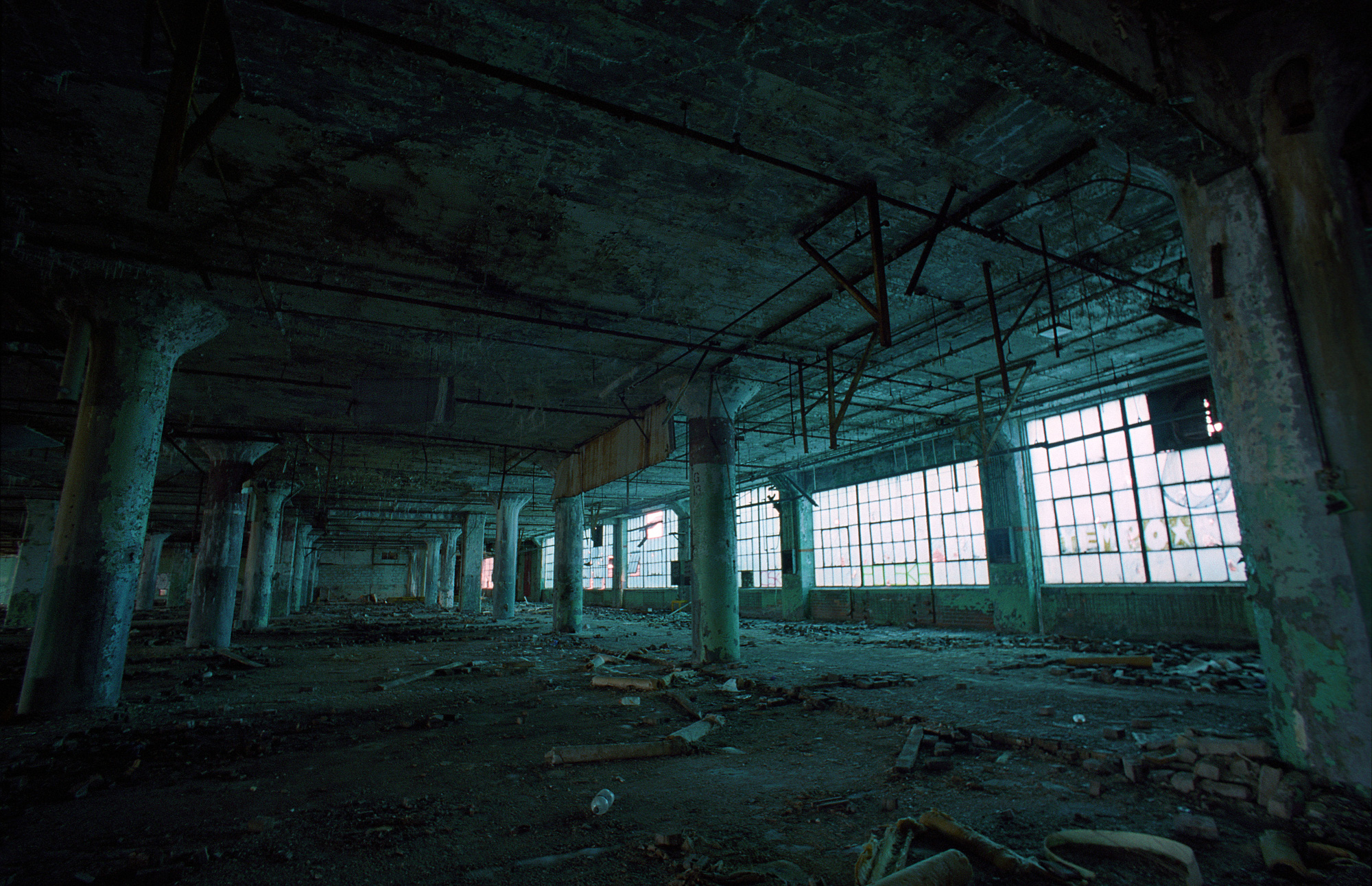
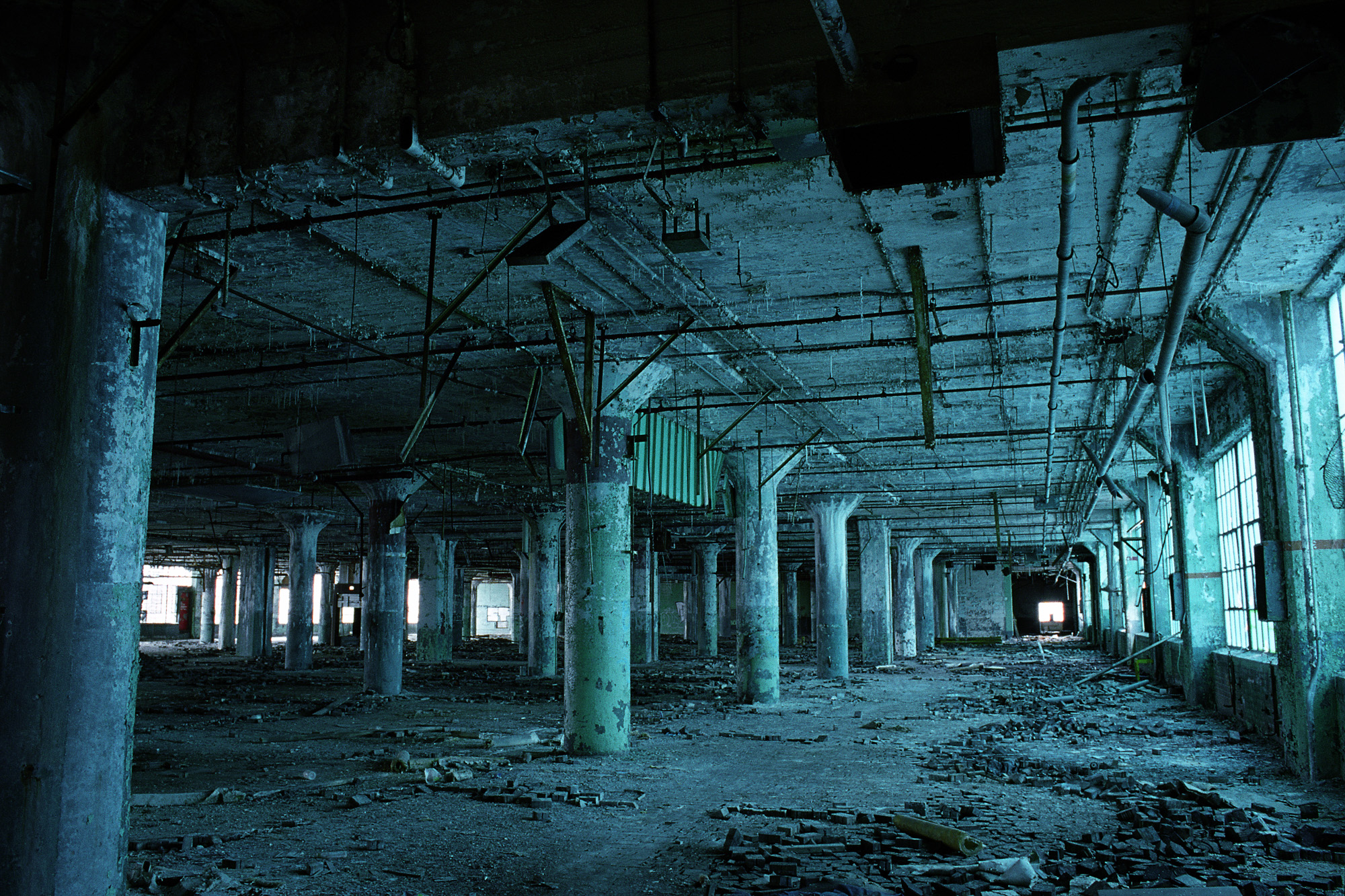
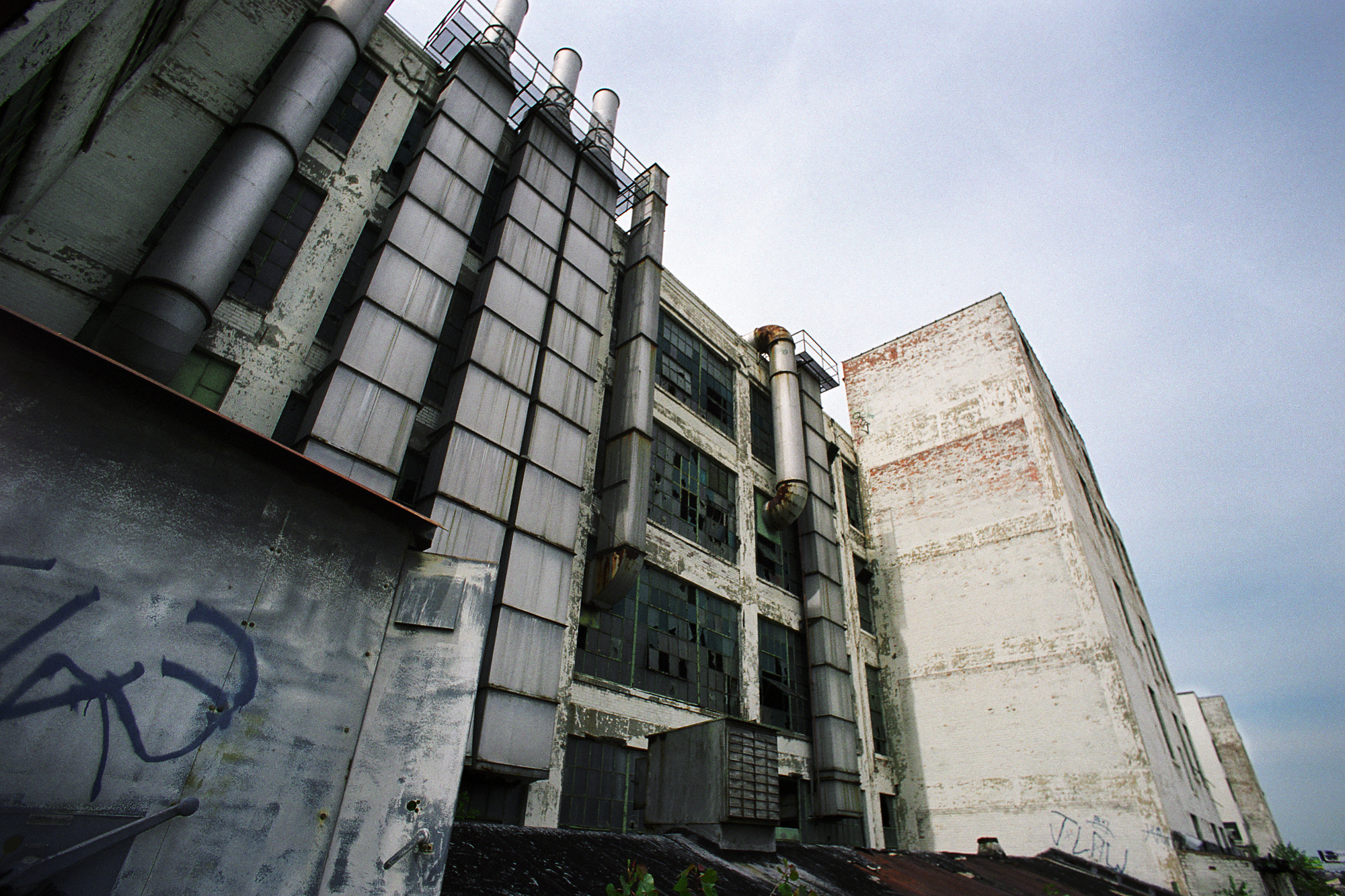
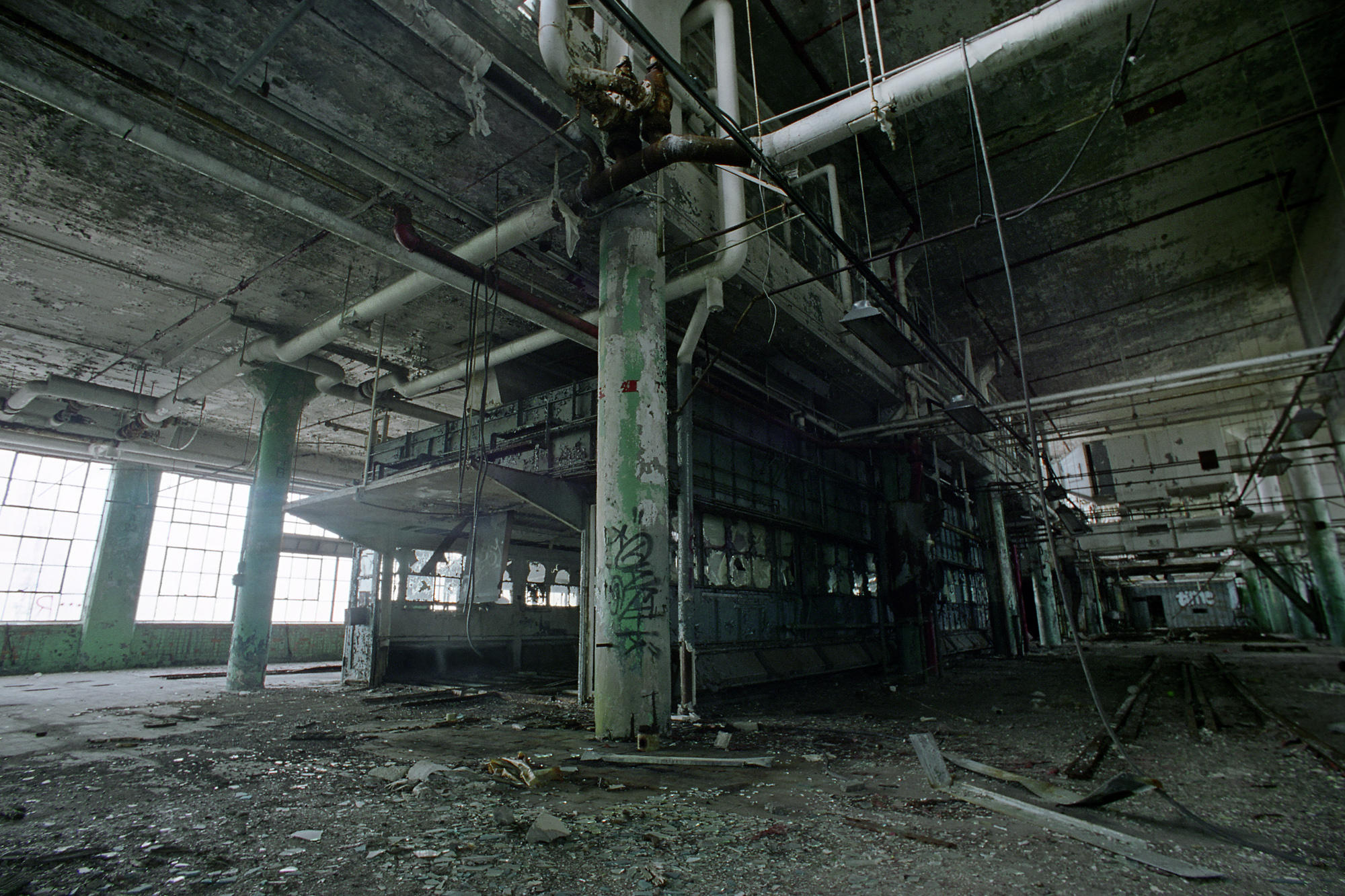
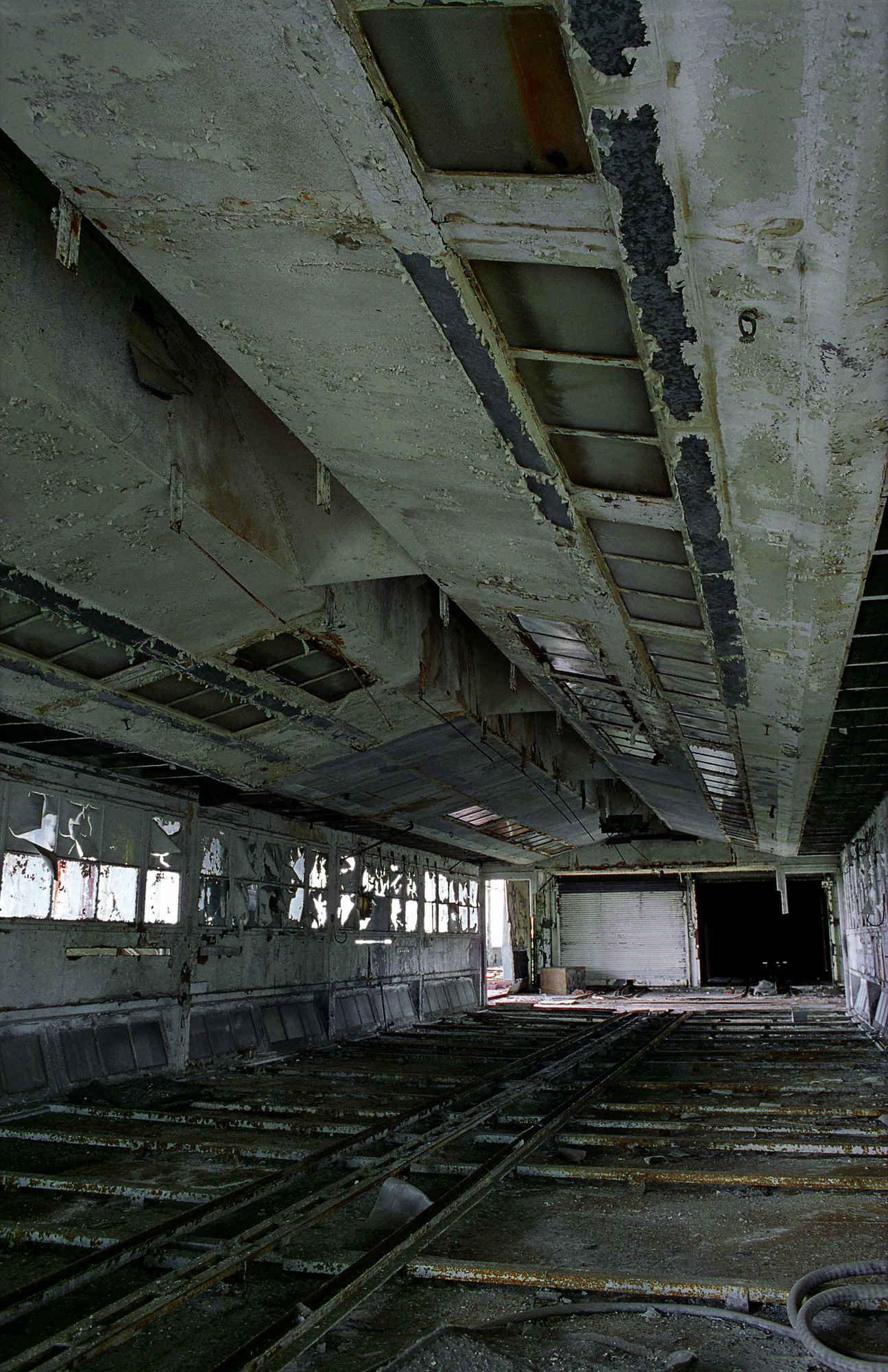
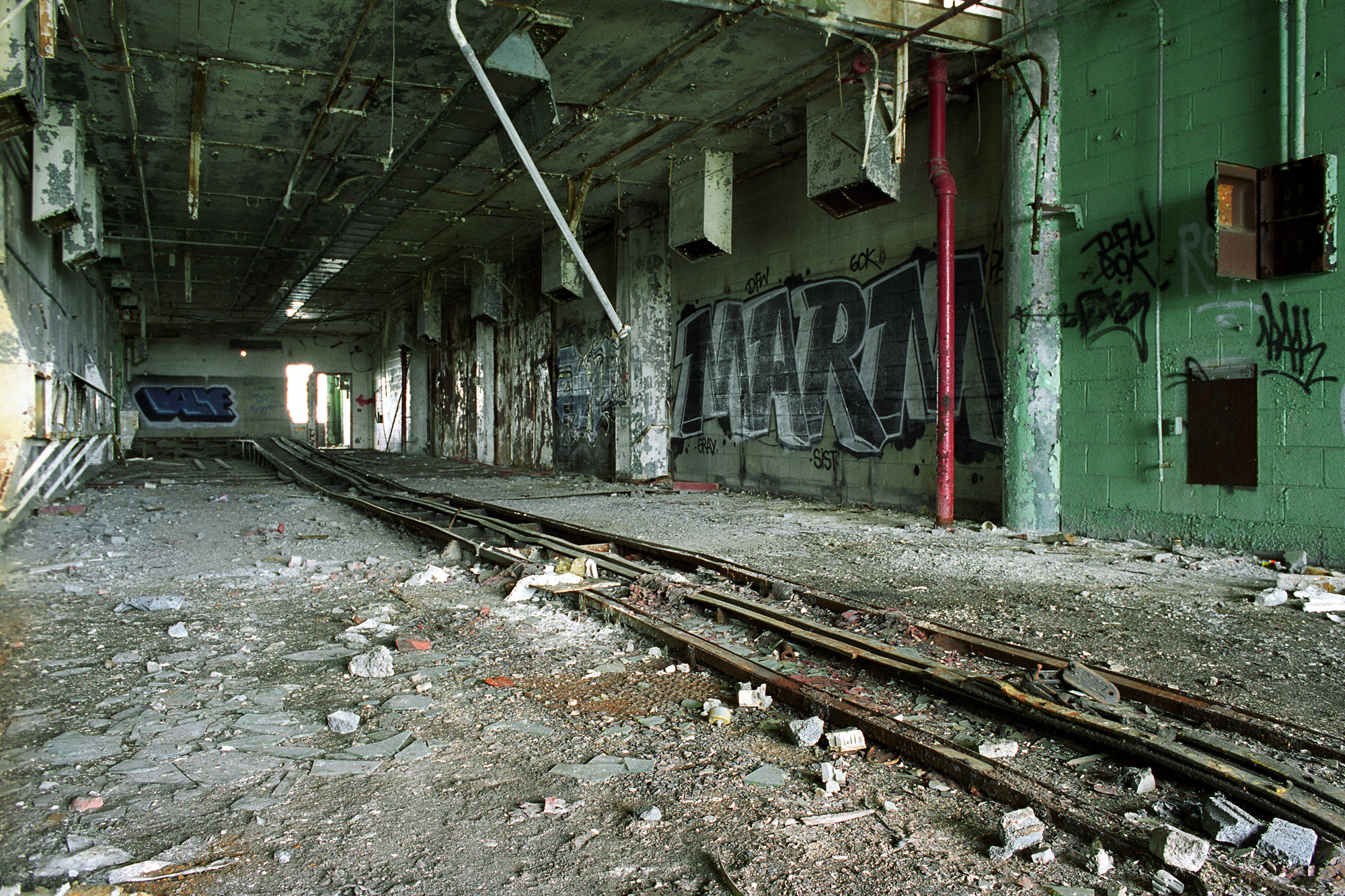
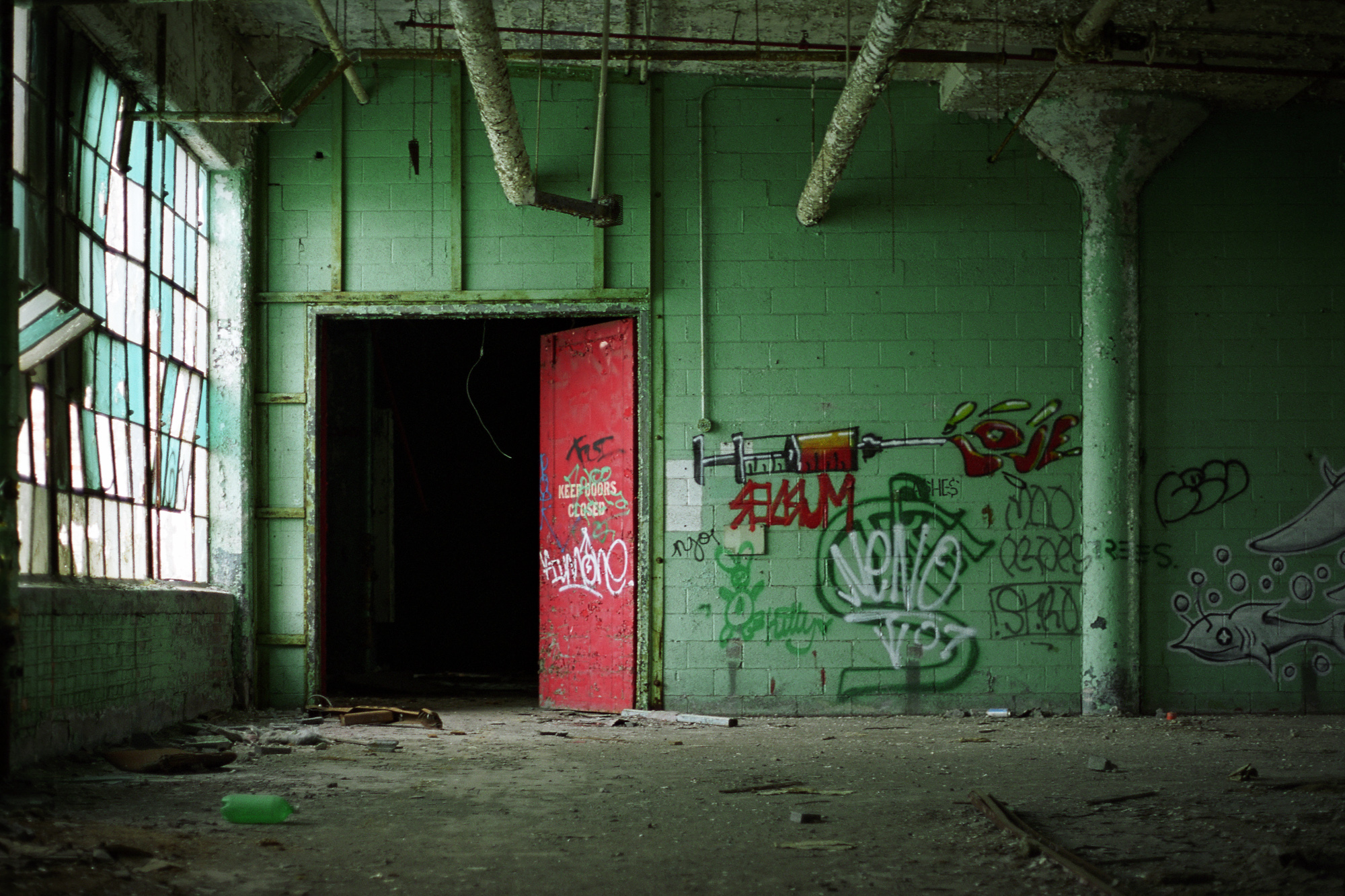
Day 3 of my first adventure to Detroit took us to Fisher Body #21, having capped off the previous day at the Roosevelt Warehouse. Located at the intersection of I94 and I75 the building became a well known eyesore for commuters and symbolic of Detroit’s decline.
Fisher Body was founded in 1908 by the Fisher Brothers. One of the brothers, Fred Fisher, created the first car body closed to the elements for the 1905 Cadillac Osceola. The company immediately took off and by 1914 they had become the world’s largest manufacturers of automobile bodies, supplying companies including Abbot, Buick, Cadillac, Chalmers, Chandler, Chevrolet, Church-Field, Elmore, EMF, Ford, Herreshoff, Hudson, Krit, Oldsmobile, Packard, Regal, and Studebaker.
The company started out manufacturing bodies out of wood, hand fitting one-off components together. One of the innovations the company pioneered in it’s early days was using standardized components to eliminate the need for custom work to produce a single automobile body. Wooden bodies proved inadequate to handle the stresses and vibrations of motorized vehicles, though, and eventually stamped metal bodies became the norm.
The 600,000 square foot Fisher Body #21 was constructed in 1919, the same year General Motors took a 60% stake in Fisher Body. The plant was designed by Smith, Hinchman & Grylls but is sometimes misattributed to Albert Khan, who designed many other famous buildings in Detroit including the Art Deco Fisher Building in downtown Detroit and the legendary Packard Plant.
Fisher Body contributed substantially to the effort to win World War II. They produced tanks, including the well known Sherman M-4, at the Fisher Tank Plant in Grand Blanc, MI. The company also developed a prototype fighter aircraft, the Fisher P-75 Eagle.
General Motors continued to increase its involvement with Fisher, eventually taking full ownership of the company. The signature Body by Fisher placard appeared on countless GM vehicles. The version linked here, with the text on the right side is the 1980s version, which I remember from our 1988 Oldsmobile Delta 88.
Fisher Body #21 was closed by GM in 1984 and sat abandoned for several years. In 1990 Cameo Color Coat purchased the facility. Cameo declared bankruptcy only three years later in 1993 and the building closed in April of that year. The City of Detroit took ownership in 2000. As an industrial site, contamination was a significant obstacle to any kind of redevelopment plans.
Luckily, this was not the last chapter in the plant’s history. The Detroit City Council approved a $25m grant to help remediate contamination at the site as part of a $134m overall redevelopment plan.
We finished off our second day in Detroit at the legendary Packard Plant.